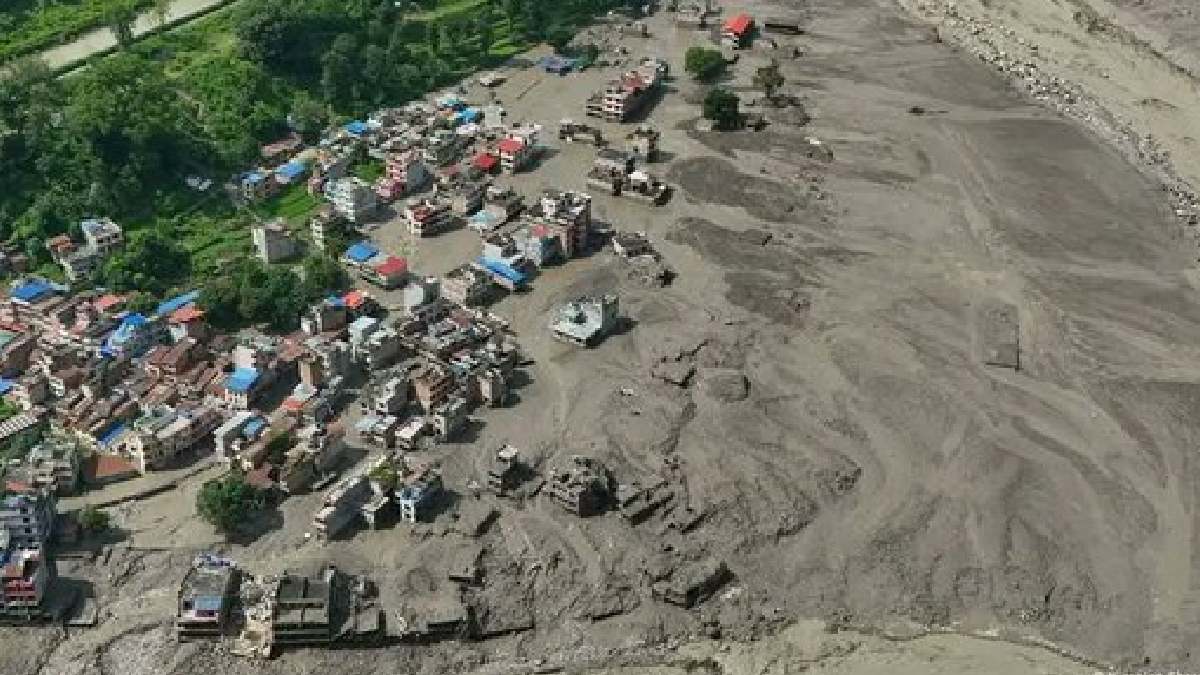
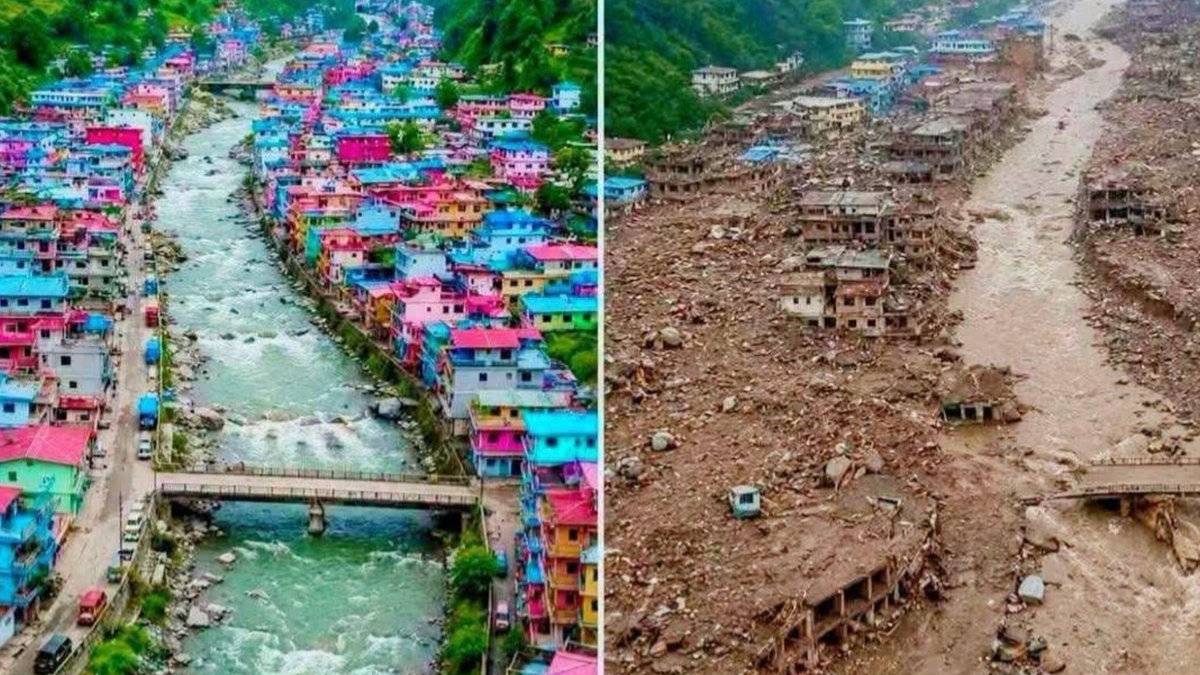
A turquoise-coloured house in Nepal is one of the most striking images from the devastating flash floods that hit the Nepal-Tibet border region on August 26. Homes, roads, bridges and other infrastructure were destroyed or washed away by storm torrents and debris in Nepal, but the brightly coloured building remained standing amid the mess. The house, under water, has now gone viral on social media, leaving viewers astonished and asking questions about how the building survived.
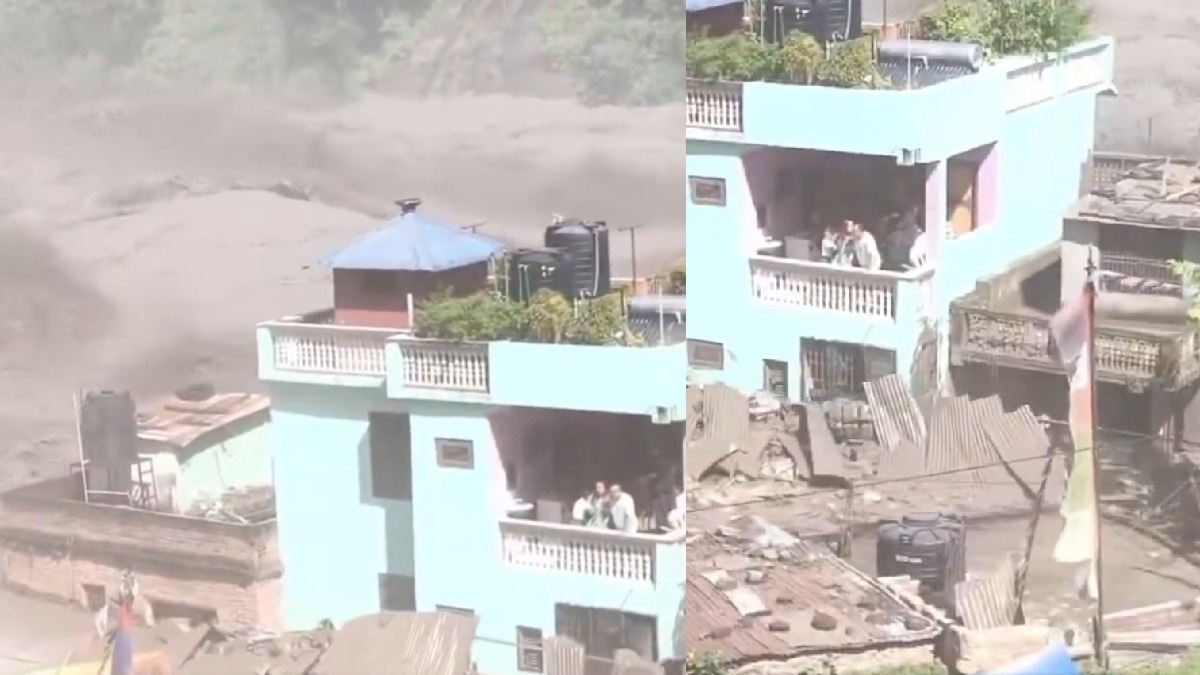
The footage is horrifying; thick mud and debris rippling through the affected area. Other buildings and structures around it do not look pretty and the turquoise house survived very well. For many social media users, the sight was an immediate question: What was the security of this particular building when the rest of the city was destroyed?
Flash floods followed a glacial collapse which triggered a torrent of debris to flood through the river systems including the Lhende Khola, Bhote Koshi and Trishuli. The resulting devastation left several areas devastated, with Rasuwa among the worst-hit districts. Nuwakot and Dhading were also badly affected by the floodwater and debris blowing through communities.
Damage to homes and public infrastructure was widespread. Roads and bridges were damaged or destroyed and mud, rocks and other debris were deposited in affected areas. The force of the water showed the speed with which a flash flood and debris flow can transform river valleys and surrounding streets.
In the face of this, the survival of the turquoise house has become an unexpected focal point online. A video circulating on social media shows the structure with floodwater rushing around it. The dramatic footage has attracted thousands of reactions, with viewers trying to figure out why the house still stands up.

One popular theory centers on the building’s structure and the way it was designed. A user of X, @rishibagree, praised the engineer who built the house and explained that the column design of the house might have helped it survive the flood. And the comment started a discussion about construction quality and the ability of well-designed buildings to withstand extreme forces.
Some, however, say that the explanation may have less to do with the house and so much to do with the neighbouring buildings. Some believe that neighbouring buildings absorbed some of the flood’s force and diverted the water in different directions. And according to this theory, the structures around the house could have formed a temporary barrier which would reduce the impact on the turquoise house itself.
Many also saw the remarkable survival from a spiritual angle. And social media users described the incident as an example of divine protection, especially because the destruction around the house appeared so extensive. For them the fact that the building remained standing while other structures were swept away seemed too extraordinary to be explained by engineering alone.
The video also triggered emotional responses from those watching the disaster from the surviving building. It was surreal for residents to witness floodwater tearing through their neighborhood and in a building that had survived the initial impact, several people wrote.
But the viral footage is not a sufficient answer to explain why the house survived. The building's foundation, construction materials, structural design, elevation, orientation, the direction and velocity of the water, and the position of neighboring buildings all affect the outcome during a flood. Without a research and analysis of the property and site, there is no scientific reason for its survival.
Terrifying footage shows a flash flood sweeping through the Nepal–Tibet border, trapping people on rooftops and balconies. At least 469 have been killed, with hundreds still missing. pic.twitter.com/xRgRWmwut7
— Weather Monitor (@WeatherMonitors) August 28, 2026
The incident also shows the unpredictability of flash floods and debris flows. Two buildings just a short distance apart can suffer dramatically different damage based on the terrain, water flow, foundations and the path of debris. A structure that is able to survive one event should not be seen as proof of a uniform flood-resistant design.
As disaster agencies worked through the scale of the disaster, rescue and recovery efforts continued. Further flooding was also a concern because the debris blocking could alter river flows and cause water levels to rise quickly.
The turquoise house, for now, is one of the few bright spots amid all the destruction. If it was due to good engineering, good placement, good structure around it, luck and a lot more, the viral footage has attracted global attention. But apart from the online debate, the pictures make us think of the power of natural disasters and the vulnerability of the communities in the flood-prone mountain river system.