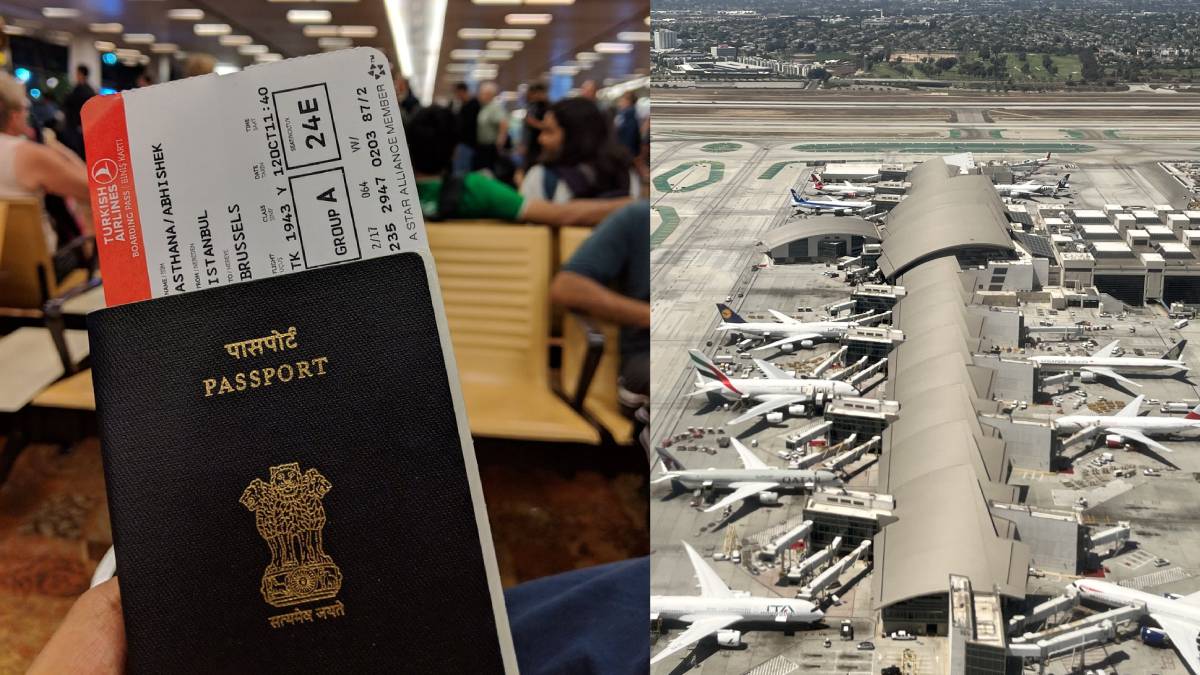
India’s aviation sector has flourished recently, and millions of people have taken off on their way. But accidents and safety incidents are putting doubt on whether Indian aviation is safe.
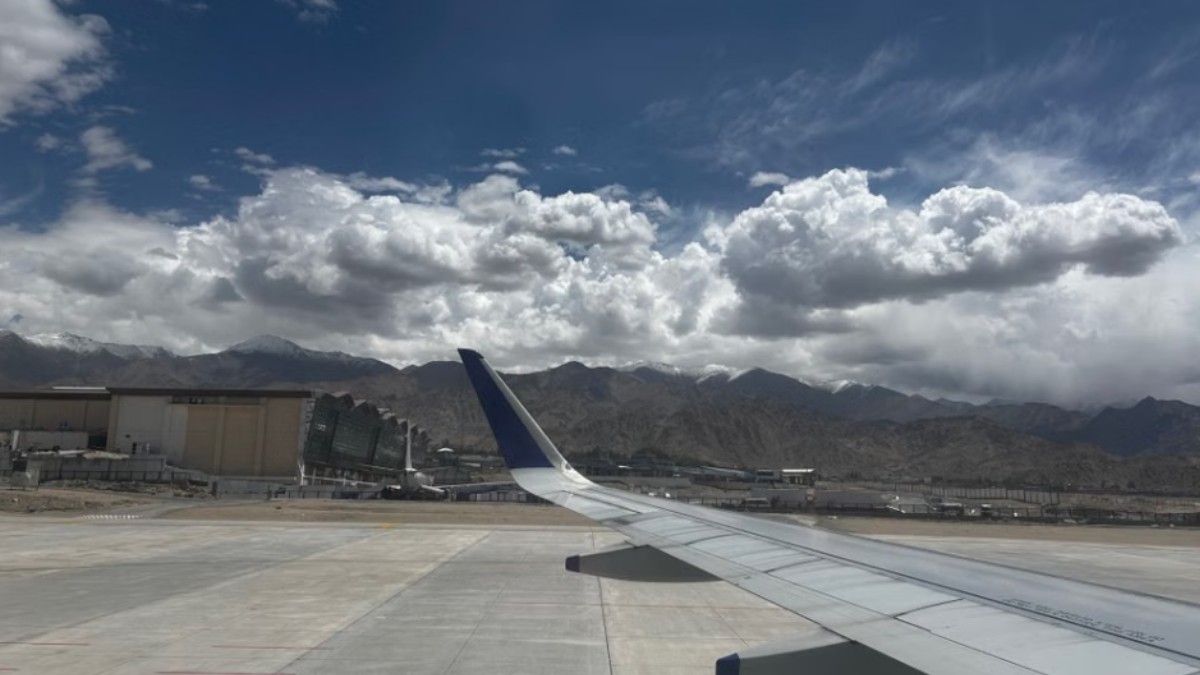
The debate is also a bit tricky because safety and perception of safety are not always the same thing.
Aviation is still one of the most heavily regulated forms of transport and airlines, airports, pilots, engineers and regulators follow safety regulations. But every serious accident or repeated operational failure can affect public confidence.
India’s National Aviation Safety Plan itself recognizes that even a single major accident can undermine confidence in the country’s aviation system.
The challenge for Indian aviation is so much more than safety standards but also the understanding of what is happening in the passenger’s mind when something goes wrong.
What do the facts say about Indian Aviation Safety?
India has a formal aviation safety system that is led by the Directorate General of Civil Aviation, or DGCA, and the Aircraft Accident Investigation Bureau and other institutions.
The DGCA conducts audits, inspections, surveillance and investigations to identify safety risks. For the Ministry of Civil Aviation’s 2025 annual report, the DGCA’s Air Safety Directorate reviewed 9,631 reportable occurrences through its Occurrence Review Board meetings during the year. This included incidents, serious incidents, runway incursions, airprox events and other safety occurrences.
What does this number mean?
A reportable event does not necessarily mean a flight was going to crash. Aviation authorities are keen to encourage the reporting of incidents and technical problems because the detection of small problems can help prevent larger accidents.
In fact, reporting is a major part of a good aviation safety system.
India has also developed systems to track high-risk areas (runway incursions, maintenance errors and mid-air collision risks) as well. The National Aviation Safety Plan of the country also contains safety targets and measures to minimize these risks.
But the system has also received criticism.
The aviation industry has expanded rapidly, and questions have been raised about how regulatory capacity and oversight have kept pace with that growth. The Federation of Indian Pilots recently suggested that an independent statutory civil aviation authority should be established, as it is necessary for the current regulatory structure to be more technically and administratively independent.
There have also been concerns about the number of technical defects recorded in Indian flight operations.
Government data showed that 352 significant technical defects were reported in domestic and international flight operations in the first half of 2026. Of these, 334 were domestic operations.
A technical defect does not mean that you’ll have a bad flight. Modern aviation systems are designed to spot problems and to stop them from becoming a hazard to airlines before they get out of hand.
But the numbers do illustrate why good maintenance, reporting and regulatory oversight are so important.
The DGCA’s response has been to do more safety audits, spot checks and night inspections throughout the aviation sector.
Why are passengers more scared of flying?
Public perception can change much faster than safety statistics.
A big crash can have a mental and emotional effect for years. If you hear more accounts of accidents, technical problems, or emergency landings so many times, the feeling that flying is less safe can arise even when the danger is low.
This is particularly important given several high-profile incidents in India’s aviation industry.
The 2025 Air India crash in Ahmedabad was an enormous blow to public confidence in the aviation system. But even so, the accident and how information was communicated after it was disclosed has only served to raise suspicion about the aviation system.
Passengers also remember dramatic events more easily than thousands of flights that don’t have any problems.
This creates what is called a perception gap.
If 10,000 flights are functioning normally, passengers are likely not to hear about most of them. But if one flight has an emergency landing, or even a technical problem with its technical issue, that event will make the headlines and social media for a few days.
These effects may be even stronger on social media.
A video showing smoke, turbulence or an aircraft returning to an airport can spread quickly without providing the technical context needed to understand what actually happened.
That does not mean concerns should be discarded.
Aviation regulators and airlines have an ethical responsibility to investigate incidents, identify failures and communicate with the public in a transparent manner. The safety system is not easily assessed by passengers, so transparency is much more important.
The public also needs to differentiate between different types of aviation events.
A delayed flight caused by a technical inspection is very different from an aircraft losing control. An emergency landing is not a sign that an aircraft was close to crashing. In many cases, the return or diversion is proof that safety measures actually worked.
That is why individual incidents should be looked upon carefully but not seen as evidence that the whole aviation system is unsafe.
At the same time, the opposite mistake should also be avoided.
Airlines and regulators should not dismiss repeated technical problems simply because most flights are safe. Such a culture of safety needs to be established in place to see what happens, correct where weaknesses get in the way, and improve and learn from it before accidents happen.
So the real test of aviation safety is not whether incidents ever happen. They will. The real test is how well the system can detect problems, react to them, investigate them and prevent them from happening all over again.
India’s aviation industry is expected to continue expanding, and in that respect it is even more important. The more aircraft, passengers, airports and flights there are in India, the more safety systems will need to develop alongside the industry.
The country already has very well-developed safety regulations and monitoring mechanisms. But regulation on paper is only useful if airlines, airports, maintenance organizations, pilots and regulators consistently follow and enforce it.
The recent mounting concern has also brought intense calls for more oversight and transparency. The upcoming U.S. Federal Aviation Administration safety assessment of India’s aviation regulator will be another important test of India’s regulatory system.
For passengers, the most reasonable conclusion is neither that Indian aviation is completely unsafe nor that there is nothing to worry about.
The facts show a large and complex aviation system in which most flights now fly safely while regulators continue to record and analyze thousands of occurrences and technical issues.
The concerns are real, but so is the safety infrastructure, designed to protect people who are concerned.
India needs to strengthen that infrastructure as aviation expands. Better oversight, a stronger safety culture, transparent investigations, reliable maintenance and clear communication can help improve both actual safety and public confidence.
In the end, passengers shouldn’t have to choose between facts and perception. The aviation industry needs to offer enough reliable information so that public perception is built on facts in the first place.