With the war in West Asia intensifying on March 3, the Indian Embassy in Tehran ran a rapid evacuation of Indian students. Buses were dedicated to shuttle students out of Tehran and into a relatively safer city called Qom. This was after joint US–Israel airstrikes on Iran and retaliatory attacks by Tehran itself, making the capital an increasingly unsafe location for foreign nationals.
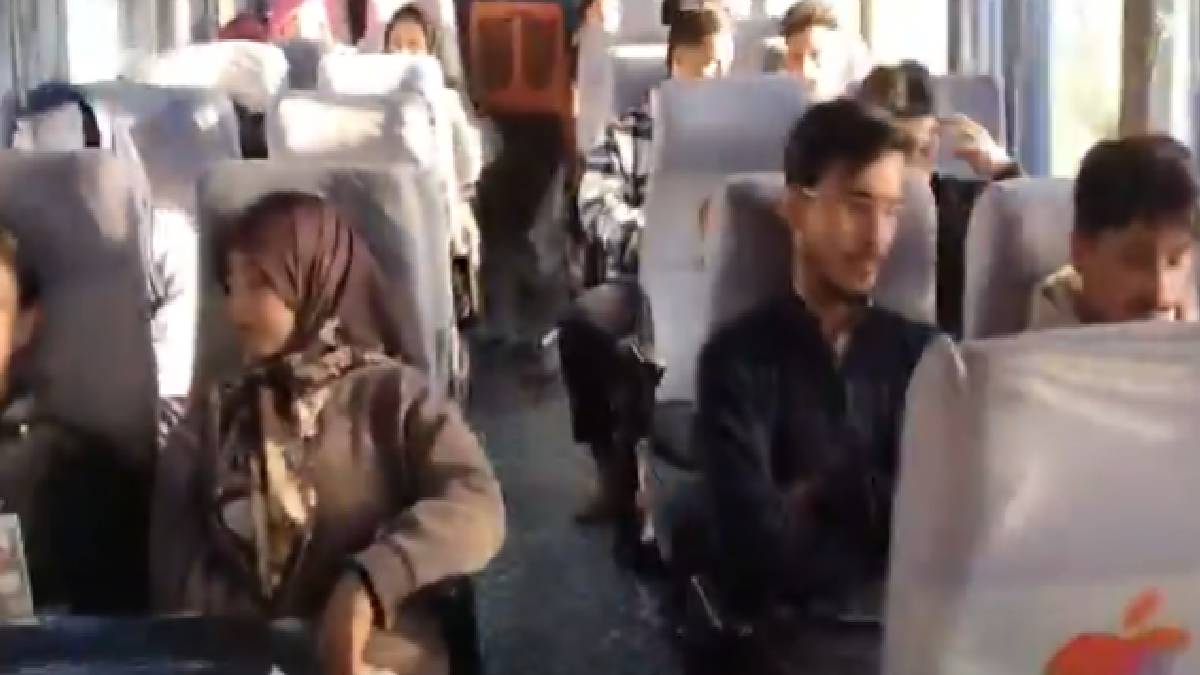
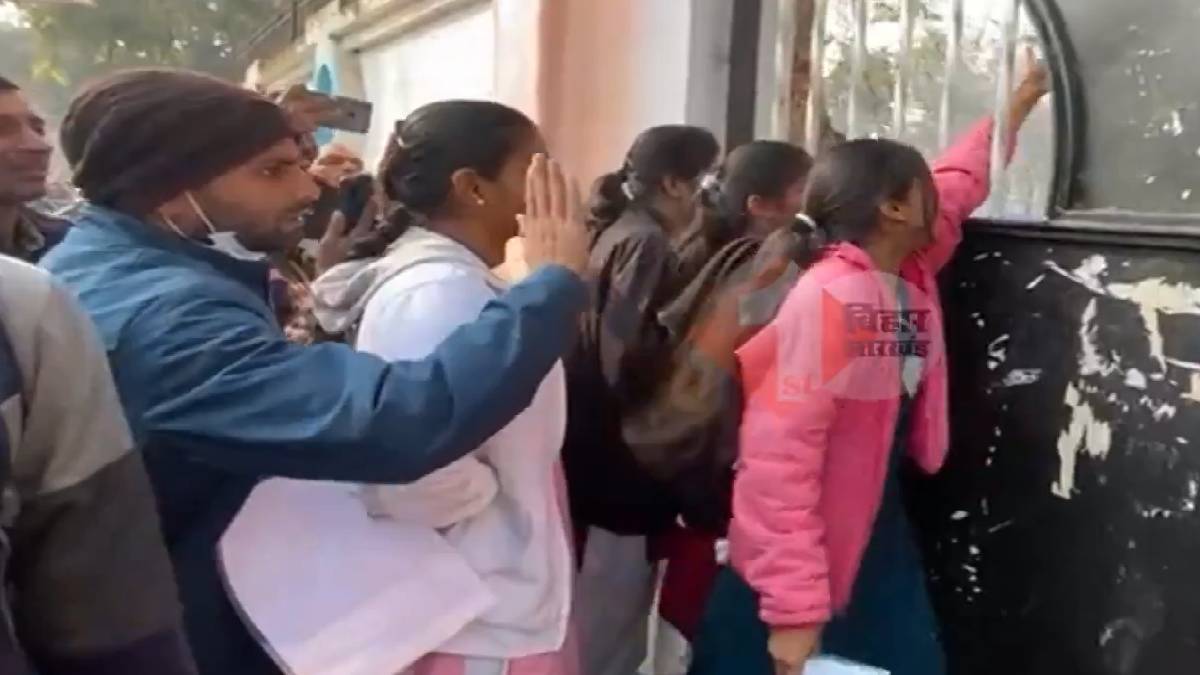
More than 200 Indian students mostly from Jammu and Kashmir were in Tehran studying at universities including the Tehran University of Medical Sciences, Shahid Beheshti University of Medical Sciences and Iran University of Medical Sciences. Tuesday morning they were moved in buses to Qom, some 140 km south of Tehran. The embassy said this was a precautionary measure because of the “heightened risk perception” in the capital.
Qom was selected because it is much less susceptible to direct strikes than Tehran. It is one of the most religiously significant cities and is perceived to be calmer in the current crisis. Moving students there was viewed as a way to protect their welfare while Tehran remains a volatile city.
The evacuation comes in the wake of a deteriorating West Asia War, driven by a joint US–Israeli strike that killed Iran’s Supreme Leader Ayatollah Ali Khamenei. Iran has retaliated with missile attacks on Gulf states, and protests have erupted in parts of India, including Kashmir, resulting in stringent restrictions.
The evacuation provides some relief for students and their families, but long-term concerns regarding their safety persist. The swift steps of the Indian government reflect its willingness to shield its citizens abroad during foreign crises. For India, this also shows the difficulty of protecting its overseas diaspora in conflict zones.
The embassy has said "We will continue to monitor the situation and may further act if necessary." Until the security environment improves, students are predicted to stay in Qom. In India, families continue to wait anxiously for updates and for a peaceful resolution to the dispute.
The evacuation of students from Tehran to Qom is just one more symptom of the crisis that continues to characterize West Asia. It can be both a safeguard and a harbinger of how rapidly geopolitical tensions are known to influence lives. Safety continues to be the number one priority while the Indian mission tries to protect its people from the pitfalls of war for now.