At least 24 people had to be hospitalised after a chlorine gas leak at a defunct water treatment plant in Pune, India, sending people into a panic. Police and emergency management teams responded quickly to the situation on site.
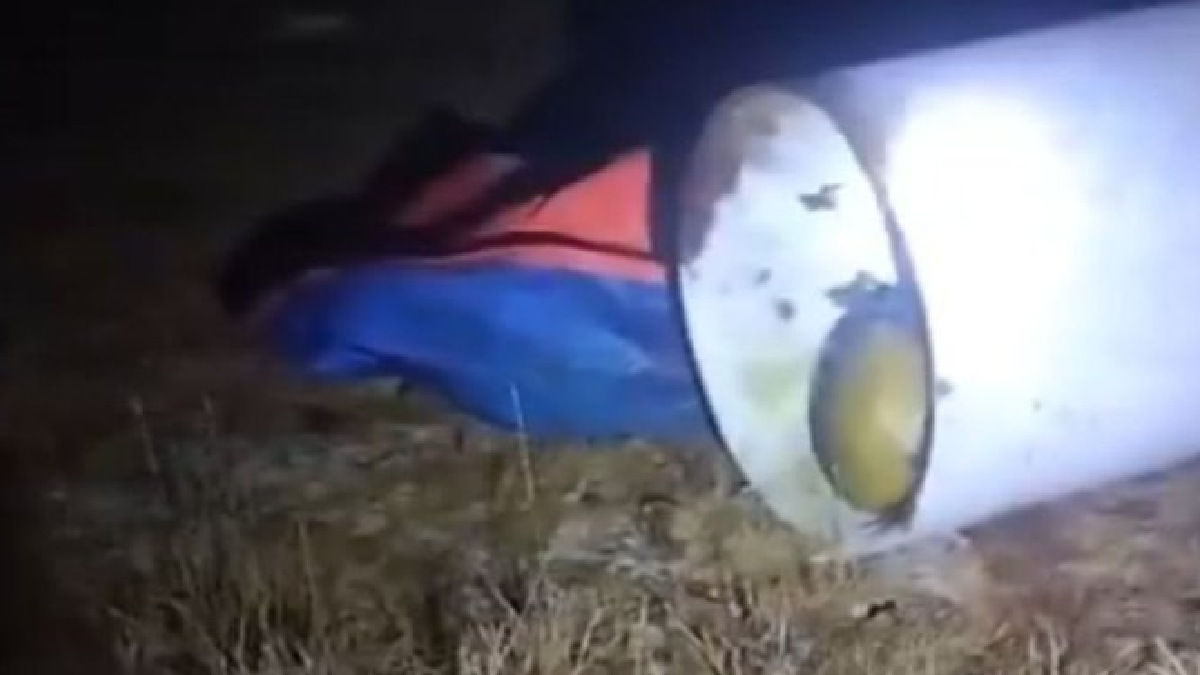
The gas was discharged from an old and nonfunctional water purification station where the chlorine cylinders had been in storage for some time, according to authorities. Some nearby residents and workers experienced breathing difficulties, eye irritation, nausea, and dizziness around the leak.
Emergency services rushed to the scene when they received notification of the incident. Firefighters who were working to isolate or evacuate people in the vicinity of the leak, so they were not allowed to remain near it, as a precaution to avoid people developing a predicament, are included in the hazmat response, as well as the personnel from the fire brigade.
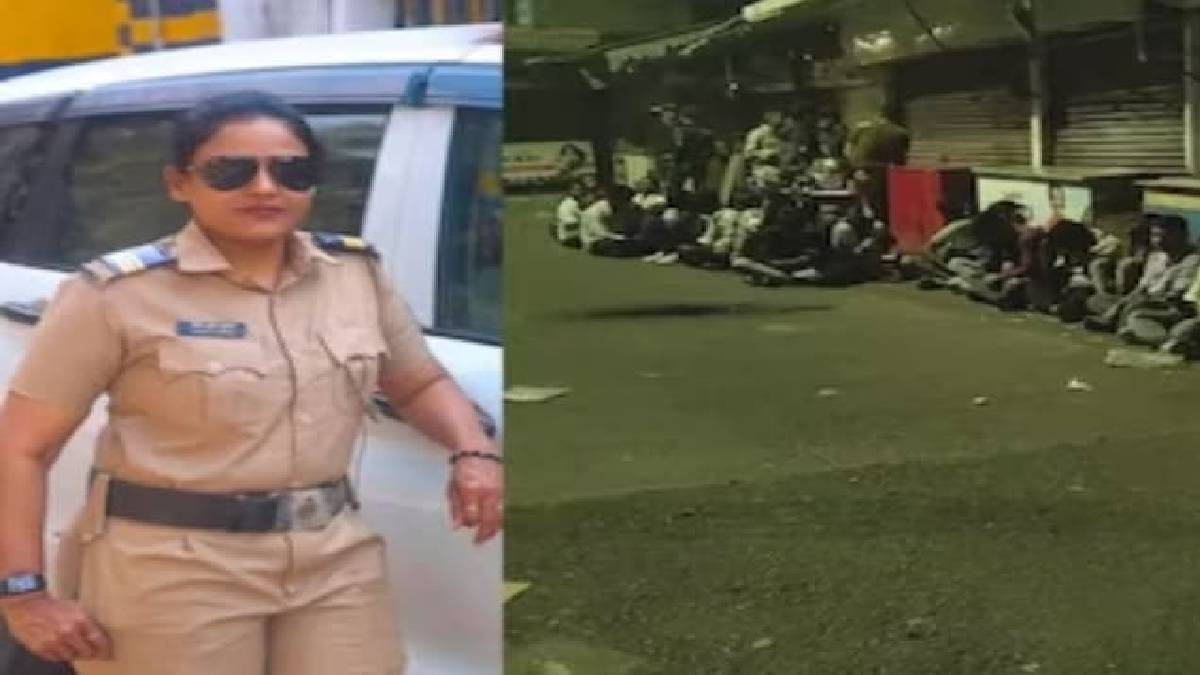
Among them, officials, for instance, also blocked the site to lessen the chances of additional exposure. Another 24 people who had been exposed to chlorine gas, officials said, were diverted to nearby hospitals for treatment. For the most part, almost all the patients were said to be stable, though a few were in very serious condition and needed close medical attention because of respiratory symptoms.
People who lived in the vicinity said they observed panic scenes after a stinky gas wafted around the area. Some fled their homes, reporting after experiencing eye irritation and a lump of pain in their throat. People had to stay indoors until action was taken, and they were told to remain safe from being outside near the affected area as normal events continued, local authorities said.
We have some clues here to suggest the leak is probably from a damaged or poorly sealed chlorine cylinder at the site where the site was abandoned. Experts are now attempting to determine how the hazardous materials were stored inside the plant, even though it lacked gas or water.
Officials then took up the rescue and containment efforts with local authorities on the scene. The inquiry is currently exploring whether the accident was the result of bad judgment or a lack of safety precautions. Toxic chemicals should be cleared and monitored carefully, environmental and safety experts argue, and hazards frequently aren’t reported at locations where industrial or public utilities aren’t producing.
Chlorine gas, which is commonly used as a filter for treating water, is toxic to humans, and it exists in the air as a very dangerous poison. It will produce respiratory distress and other major health issues if released into the environment. The incident shed light on toxic emissions treatment in local areas, at least in the area of safety, but on a much broader basis. The residents have called for proper inspection and monitoring of abandoned facilities that have held toxic materials.