India’s rise as a global economic force has not come with a much better passport ranking.
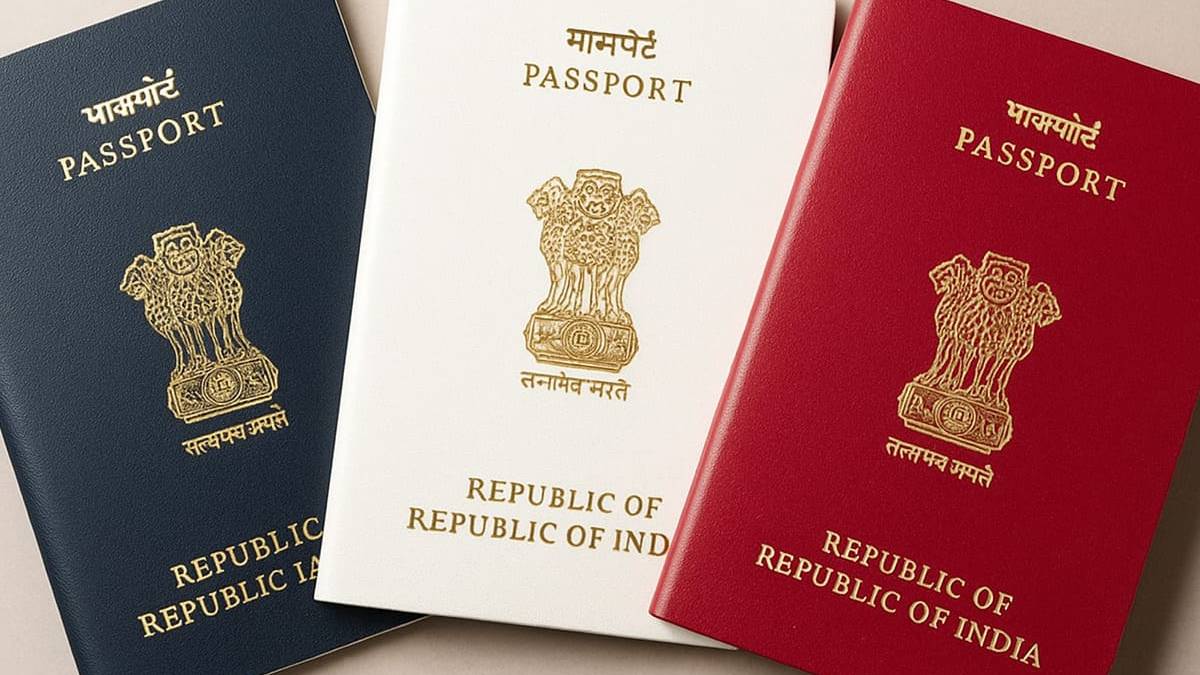
India is the largest country with the largest population and fastest growing economy but most Indian travellers still need a visa to enter most countries. That is an odd contradiction for many but ultimately has very real implications.
And there is a bit of confusion as to why two major global indices measure passport strength differently. India has been slowly climbing the Henley Passport Index from 85th in 2025 to a somewhat better place in 2026 it is recovering.
The Passport Power Rank of Arton Capital indicates India is much lower because only 30 destinations are visa-free and 42 are visa-on-arrival. And neither one is necessarily right, in the sense that there is more than one way to get “visa access.”
Real Barriers
The longer explanation has nothing to do with GDP and everything to do with government-to-government deals. The passport ranking of a country is based on the bilateral visa agreements it has secured, and India’s greatest weakness is that it can’t go to the easy places that most Indians want to go to the US, the Schengen zone, the UK, Canada and Australia.
Reciprocity compounds that
India has visa requirements for most Western countries, so the travel restrictions around them are similar to the ones for Indian travellers. And it’s a tough solution to break this cycle to takes years of diplomatic groundwork, sometimes woven into trade deals, labour-mobility agreements and security agreements.
South Asia India is not leading the way
The Maldives, despite its small size, is a leader and passport power. It has built its passport capability on a tourism-first diplomatic path that has resulted in the likes of big travel deals. Things Are Getting Better.
But there is a good picture. India’s Henley ranking rose ten places in 2026 thanks to visa waiver agreements with Thailand, Sri Lanka and Kazakhstan and Kenya and Rwanda, which relaxed advance-visa requirements for Indian citizens.
Caribbean countries like Barbados and Dominica have made visa-on-arrival access a reality. Oman and Serbia are also mulling such visa waiver arrangements and a potential deal with the EU mobility could eventually ease Schengen access for Indian professionals.
And structural improvements are just as important building international trust, e-passports with secure biometric data is crucial for other countries to ease entry controls globally. Success in those rankings tends to be a long-term diplomatic effort, not a quick economic performance.
India’s passport is still going forward, but it is being propelled less by economic power and more by diplomatic patience and slow-moving diplomacy.
Note: Since passport indices are updated quarterly, these figures may be changed in the next few months.