The Indian Railways approved a 4-lane Road Over Bridge (ROB) at Alkapuri in Vadodara Division of Western Railway, a big development for Gujarat city. It is estimated to be more than ₹166 crore expenditure and the cost will be shared by the Railways and state government. The ROB will create more road links and traffic movement in Alkapuri area.
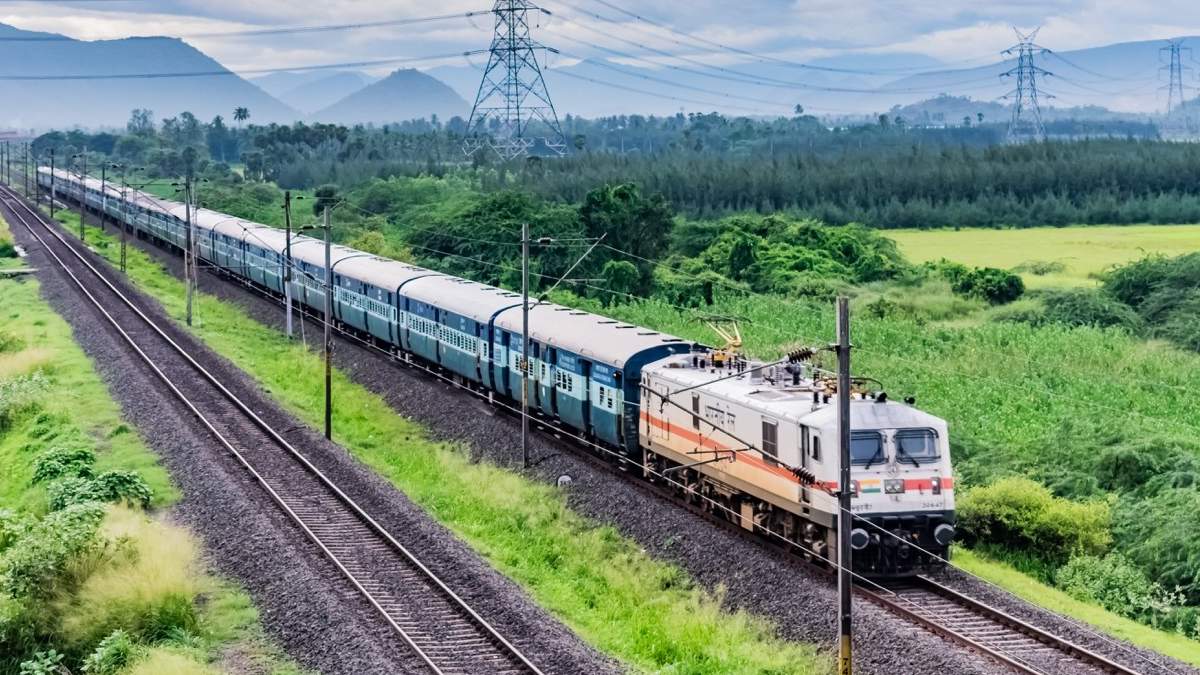
When trains pass through the railway crossing the road traffic is separated from the train traffic, so the road traffic can go faster. Road Over Bridges are meant to separate road and railway traffic by moving vehicles over the railway tracks so vehicles don’t have to wait at level crossings. Such projects are especially necessary if railway crossings are a bottleneck in busy urban areas and traffic is delayed.
The Alkapuri project will have four lanes in both directions with wider highway capacity than a two-lane structure. The additional road capacity will be useful as traffic volumes increase in and around Vadodara. Alkapuri is one of the central city’s most prominent areas; better road infrastructure in the area could connect the surrounding residential, commercial and transport arteries.
The estimated cost of more than ₹166 crore will be split equally between Indian Railways and Gujarat Government. Both sides will contribute to the project as part of the proposed funding arrangement. Joint funding between Railways and state governments is often used for major road and railway infrastructure projects where improvements benefit both railway operations and urban road connectivity.
Construction of a ROB can also have an impact on road safety. At busy railway level crossings, trains and vehicles move through gates, signals and other controls. A grade-separated structure means that road traffic cannot cross the railway tracks at the same level. Once operational, the Alkapuri ROB is expected to provide an alternative route for vehicles and reduce dependence on a conventional level crossing.
One of the advantages of the project for commuters is that the waiting time for commuters is reduced. At a level crossing, vehicles can remain stationary with trains moving through if a train approaches or departs. When road traffic is heavy, and trains keep coming through at high volumes, such interrupted roads can create queues that can extend into the surrounding streets. A four-lane ROB can help to keep traffic from the train moving and move vehicles on the road without the disruption of trains.
The project also demonstrates the general trend in upgrading transportation infrastructure in growing cities. Vadodara is one of the major cities in Gujarat and is connected to many important road and railway routes. The road infrastructure around railway corridors will help to move people and goods more efficiently and facilitate the expansion of city areas.
The final benefits of the Alkapuri ROB will likely be a result of several factors on the construction timeline, traffic management during the work and coordination between the railway and state authorities. Construction of large urban infrastructure projects may need careful planning because construction could take place close to busy road-crossing roads, railway tracks and existing public utilities.
The equal funding arrangement between Indian Railways and Gujarat Government also highlights the importance of coordination between different government agencies in delivering large-scale infrastructure. Specific construction schedules, design specifications and execution plans will determine the next stages of the project.
The four-lane Alkapuri ROB will provide additional road capacity and enhance the separation of railway and road traffic in the area. The ₹166 crore+ project is therefore a key infrastructure investment in Vadodara and is part of the ongoing developments in the transportation infrastructure around the railway corridors.