Indian Railways has intensified its cleanliness regulations by imposing a ₹1,000 fine for littering at railway stations and inside train coaches, as part of an ongoing drive to clean up and maintain clean public spaces on one of the world’s largest railway networks. It hopes to convince passengers, visitors, vendors and other railway users to dispose of waste in a responsible manner when travelling and contribute to a clean travelling environment. Recent media reports suggest that the new penalty is one part of a broader cleanliness enforcement campaign in 2026.
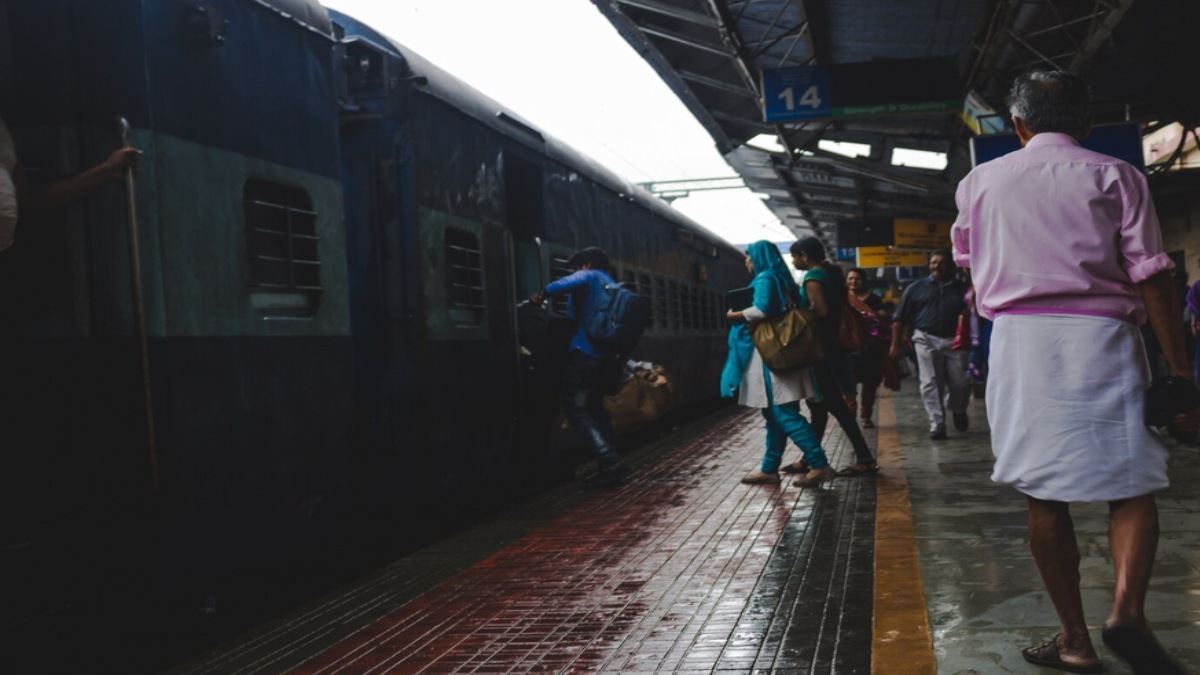
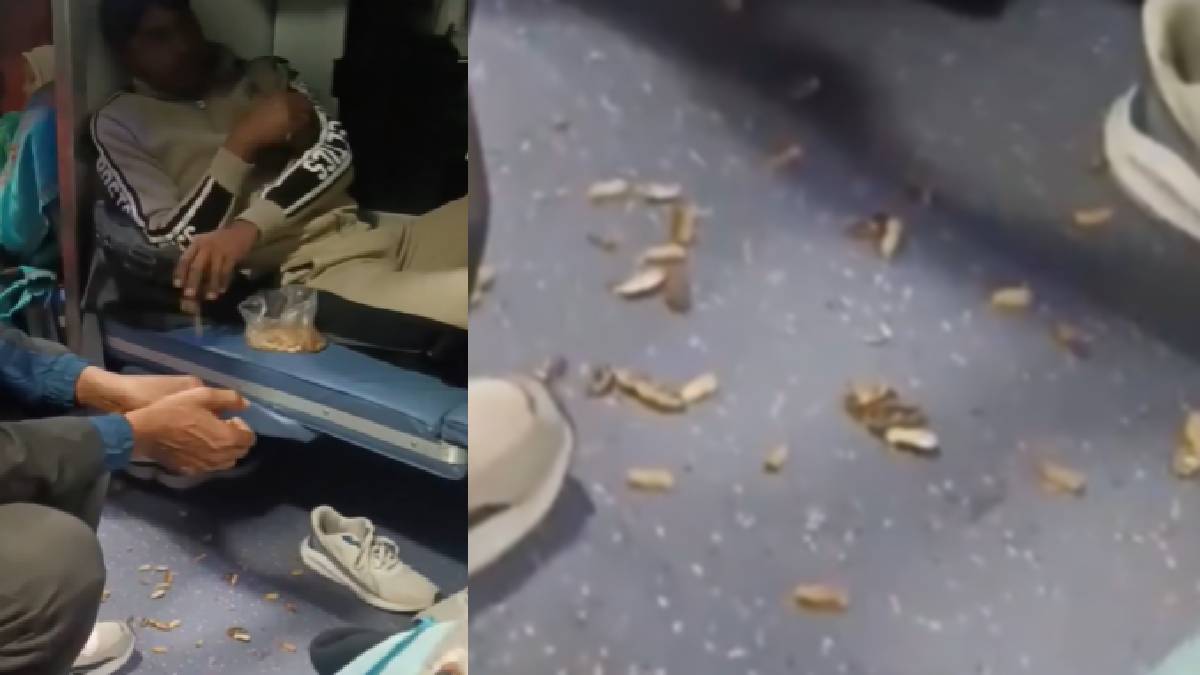
Railway stations and trains are full of millions of passengers every day and cleaning is one of the most important aspects of public infrastructure management. And littering is still an issue on railway premises from the discarded food wrappers and plastic bottles and the packaging to the discarded waste. And this enhancement should have a stronger deterrent on the part of the government that it will be able to make sure it is done not only to remove litter and put a hold on it but also to make sure people don’t have no room for it. The Economic Times
The new enforcement procedure comes with the penalties of a ₹1,000 monetary penalty for people throwing garbage on platforms, railway premises or the inside of trains. The rules are designed to keep the place clean and to minimize the amount of waste in the places where passengers visit. Some of the activities related to cleaner railway property like writing on trains and other such things are considered as well would be punished. The Economic Times.
Cleanliness initiative is not limited to passengers alone. Railway vendors and hawkers in railway premises are also required to comply with waste-management and sanitation standards. Businesses selling food and other products in stations or trains are important to cleanliness as such a lot of disposable packaging is created on a daily basis in the station or train. So the disposal of waste is also a responsibility of all involved and that includes the railway users and businesses. The Economic Times.
Indian Railways has always conducted cleanliness drives across different railway zones over the years. Lower penalties were imposed in many instances earlier on violations and different railway divisions also started anti-littering campaigns with surveillance systems and Railway Protection Force personnel. This latest ₹1,000 fine is aimed to put a higher focus on passenger discipline and cleanliness of the travel conditions in the entire railway network. Indian Railways.
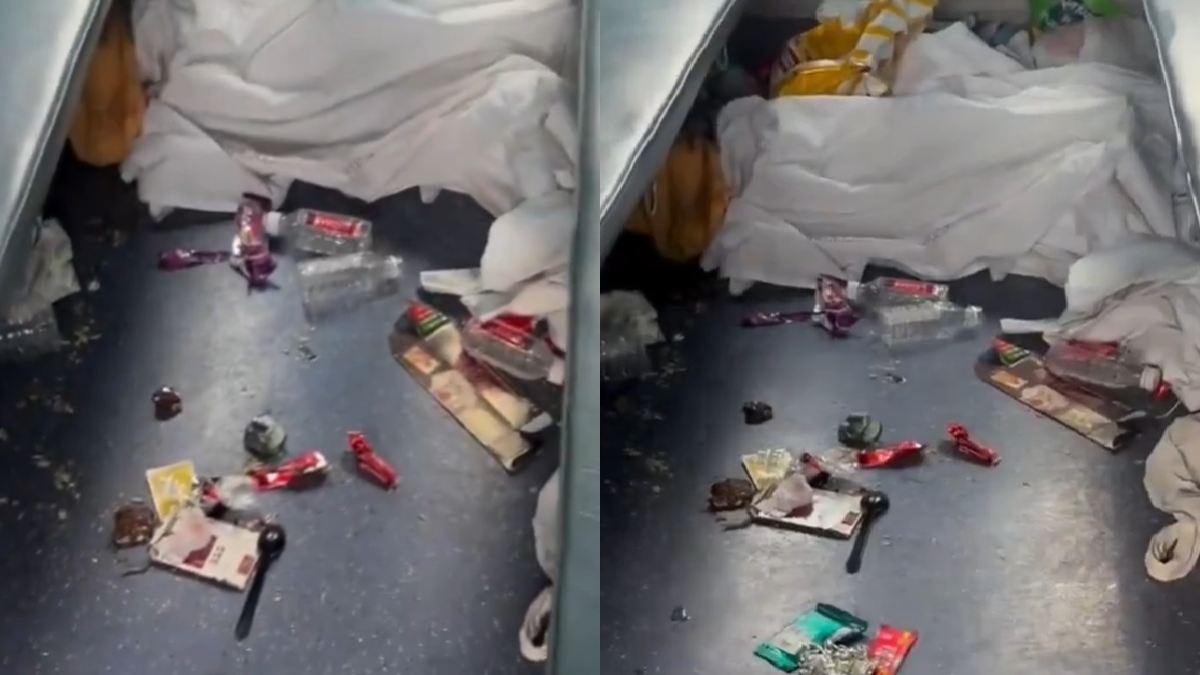
Clean railway facilities are relevant from the point of view of public health and environmental health. Improper handling of garbage can attract pests, create unhygienic conditions and put extra stress on railway sanitation staff. Plastic waste and food waste on tracks or platforms can also create maintenance difficulties and affect the efficiency of cleaning operations carried out every day by railway personnel.
The introduction of stricter penalties also supports the bigger goal of changing behaviour among travellers as well. Instead of having to rely on awareness campaigns, financial penalties can reinforce the idea that public space is a collective responsibility. Passengers are now encouraged to use dustbins (and there are many in railway stations and inside many modern train coaches) to throw waste in rather than on platforms or train tracks.
There are reports that authorised railway personnel have been empowered to collect the prescribed penalty from violators under the applicable enforcement process. Cleanliness regulations are applied more effectively and violations are dealt with quickly on railway premises. If a person does not comply with the penalty process, then a higher financial penalty (in some cases more) may be imposed by the new enforcement structure. The Economic Times
The initiative has also revived the idea of civic responsibility in train travel. The whole train journey has revived a discussion about civic responsibility in transport. Everyone makes a contribution to the state of shared public infrastructure - whether it be cleaning coaches, disposing of waste properly or encouraging someone else not to litter. Things as simple as carrying reusable water bottles, avoiding unnecessary disposable packaging and using waste bins can all help in a lot of ways in order to make the railway clean and look better.
Railway stations are often the first point of contact for travellers arriving in a city, so cleanliness is a very important aspect of public infrastructure. Clean train coaches are also helpful for a long-distance journey. By imposing a higher penalty for littering, Indian Railways is sending a signal that cleanliness is part of the journey of railway travel, not just a minor thing for a small town.
The enforcement drive will supplement existing sanitation programs, regular cleaning schedules and public awareness campaigns in railway zones. Penalties are deterrent in nature, but longer-term success also depends on passenger cooperation and consistent implementation by railway authorities. Public participation is needed to make trains cleaner and train stations safer across the entire Indian railway network.
For millions of daily commuters and long-distance travellers, the message is straightforward: avoid littering, use designated waste disposal facilities and help maintain the cleanliness of railway premises. The ₹1,000 fine is both a regulatory measure and a reminder that sharing public spaces is everyone’s responsibility. With stricter enforcement now in place, passengers are being encouraged to ensure a cleaner, safer and more pleasant railway experience for all.