The death of an Indian seafarer and the injuries of six others following an Iranian missile strike on two UAE-flagged oil tankers has once again raised concerns about the state of the Strait of Hormuz and put India in a delicate diplomatic position. As tensions between Iran, the United States and Gulf countries continue to rise, New Delhi now has to manage its citizens and its relations with all parties to the conflict.
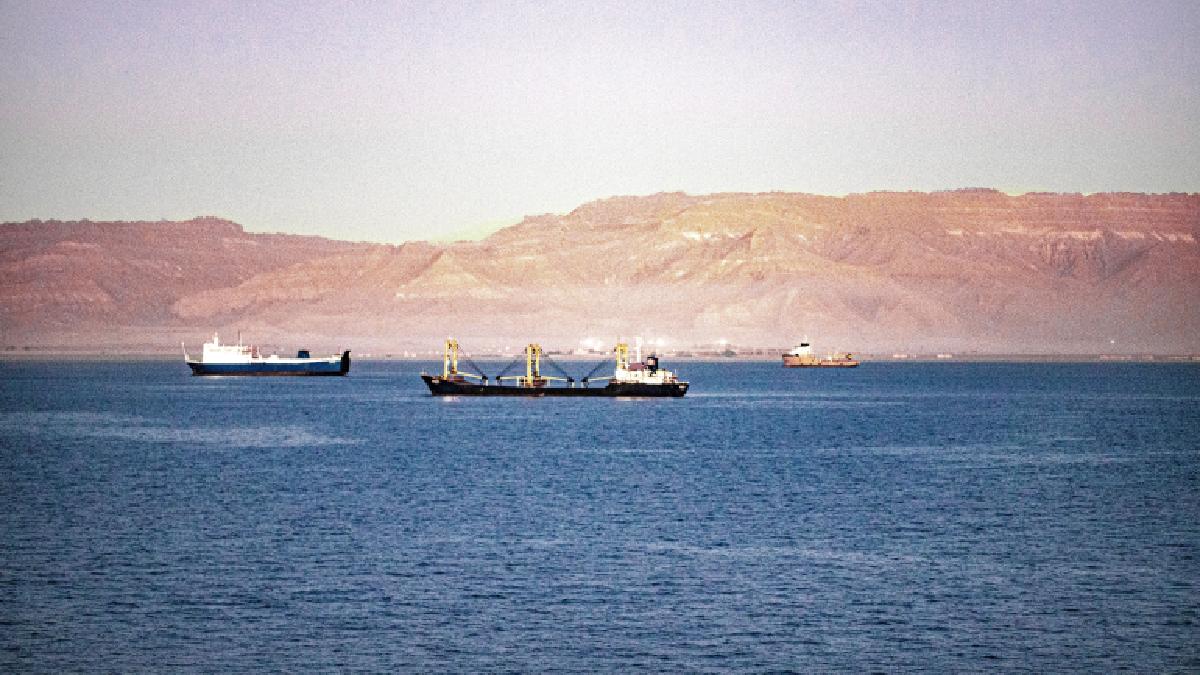
According to reports, Iranian cruise missiles also struck two UAE oil tankers in the southern shipping lane of the Strait of Hormuz in Omani territorial waters on July 13. The United Arab Emirates claimed that one Indian crew member died and six others were injured. Iran has since explained that the vessels had ignored warnings and were involved in what it called illegal activities.
The latest incident is the latest flashpoint in an increasingly serious maritime contest that has fanned out since March 2026. So dangerous is the Strait of Hormuz for commercial shipping that more than a quarter of the world’s oil supplies pass through it, making it one of the world’s most dangerous routes to the Middle East. For India, whose merchant navy supplies thousands of seafarers to international vessels in the Gulf, the conflict has turned into a growing humanitarian and diplomatic problem.
Indian Seafarers caught in the crossfire
Indian sailors have increasingly found themselves trapped in the widening confrontation between Iran and the United States. Commercial ships with Indian crews have often been attacked since hostilities first broke out earlier this year.
Earlier in June, US military strikes targeted three commercial tankers near Oman and the entrance to the Strait of Hormuz. The vessels, Marivex, Settebello, and Jalveer, were reported to have had mostly Indian crew members. MT Settebello was especially deadly as three Indian crew members died after the US aircraft attacked the engine room of the ship, the Omani navy said.
With the latest Iranian missile strike, the death toll among Indian seafarers linked to the Hormuz conflict is on the rise. At least seven Indian sailors have been reported to have died since March in separate Iranian and US military attacks and several others have been injured or traumatized.
The repeated incidents have prompted India's maritime community to fret that many sailors are unknowingly being drawn into a geopolitical war beyond their control.
A delicate Diplomatic Balancing Act.
The latest attack presents India with one of its most sensitive foreign policy challenges in recent years.
When American military strikes earlier this year killed Indian sailors, New Delhi launched a strong response. The Ministry of External Affairs reportedly called senior US diplomats and declared that the use of lethal force against civilian shipping was not acceptable. India also publicly demanded greater protection for commercial vessels carrying Indian nationals and stressed the importance of freedom of navigation in international waters.
Narendra Modi also used international platforms to call for the protection of seafarers and the demilitarisation of critical global shipping lanes, while keeping India's broader strategic partnership with Washington intact.
Now, New Delhi faces a similar test involving Iran.
India has long had good relations with Tehran despite international sanctions and geopolitical friction. They have been linked through energy cooperation, regional connectivity and such strategic projects as Chabahar Port, which provides India with a crucial pipeline to Afghanistan and Central Asia without the involvement of Pakistan.
But the death of an Indian citizen in an Iranian strike is likely to compel New Delhi to seek accountability while carefully avoiding any move that could damage long-term strategic interests.
Why Hormuz matters to India?
The Strait of Hormuz is still one of the world’s most strategically important waterways. Almost all of India’s crude oil imports cross through the narrow passage connecting the Persian Gulf with global markets.
Any disruption of shipping is not only a threat to India's energy security but also puts thousands of Indian merchant navy personnel aboard international cargo and oil tankers at risk.
India is one of the world’s largest suppliers of skilled maritime professionals and tens of thousands of Indian seafarers are currently working on the vessels in the Gulf. Increasing regional tension and the safety of Indian maritime workers is becoming an increasingly important priority.
Likely response from New Delhi
Foreign policy experts say India is likely to take a measured approach. The government could lodge a formal diplomatic protest with Iran and press for restraint from all parties involved in the conflict at the same time.
Further advisories may also be issued to Indian shipping companies and maritime workers in high-risk areas. Security cooperation with Gulf nations and international maritime agencies can also be strengthened to make the passage through the Strait of Hormuz safer.
At the same time, New Delhi is expected to avoid getting involved in the larger geopolitical rivalry between Iran, the United States, and their regional partners.
A Growing Challenge
The recent missile strike shows how rapidly growing geopolitical tensions are increasingly affecting ordinary civilians, and seafarers aboard commercial vessels.
For India, protecting its citizens overseas while preserving strategic partnerships with competing global powers remains an increasingly complex balancing act. And as violence in the Strait of Hormuz continues, New Delhi’s diplomatic response will not only be closely watched by Tehran and Washington but will also be critical in reassuring thousands of Indian sailors who continue to work in one of the world’s most volatile maritime areas.