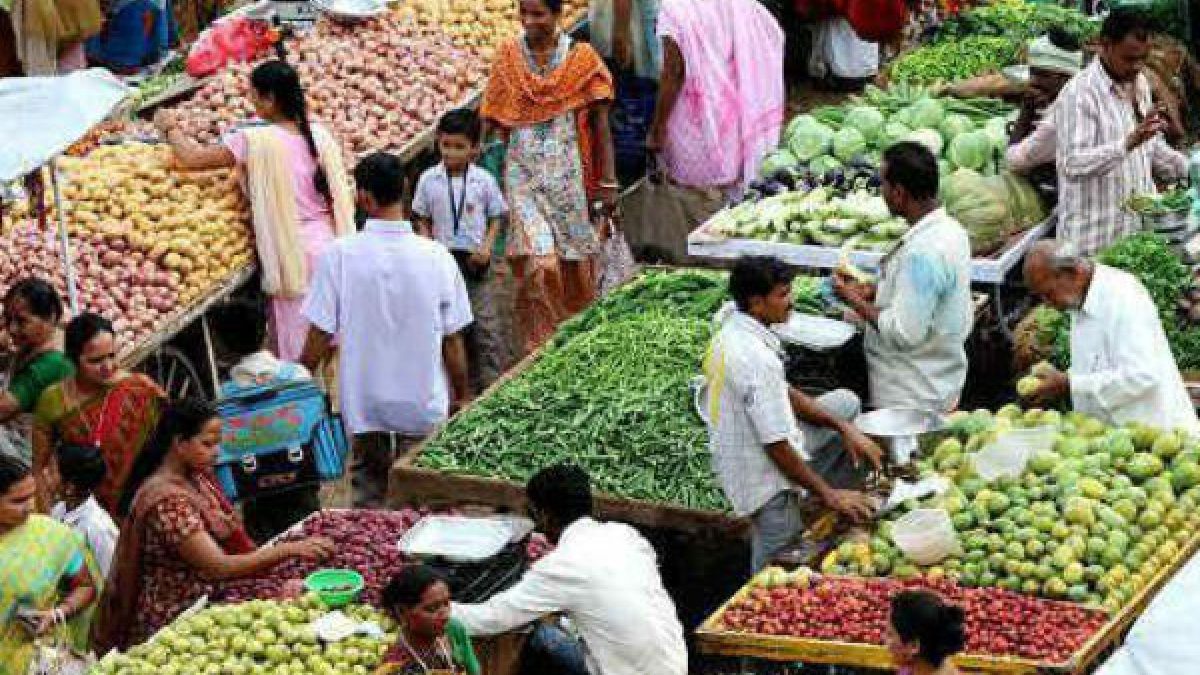
In June 2026, wholesale inflation in India rose to 9.87% as food prices and costs were rising across many sectors of the economy. Inflationary concerns are a major concern for policymakers, businesses, and consumers, even as they have been working to stabilise prices and enhance economic growth.
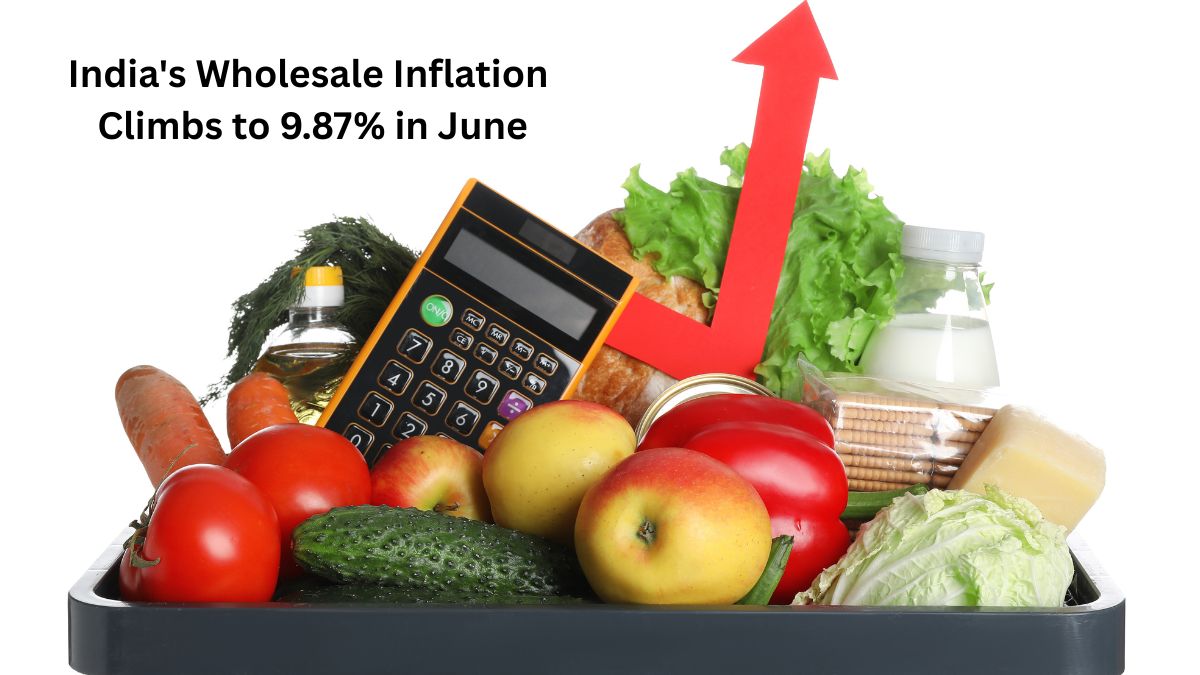
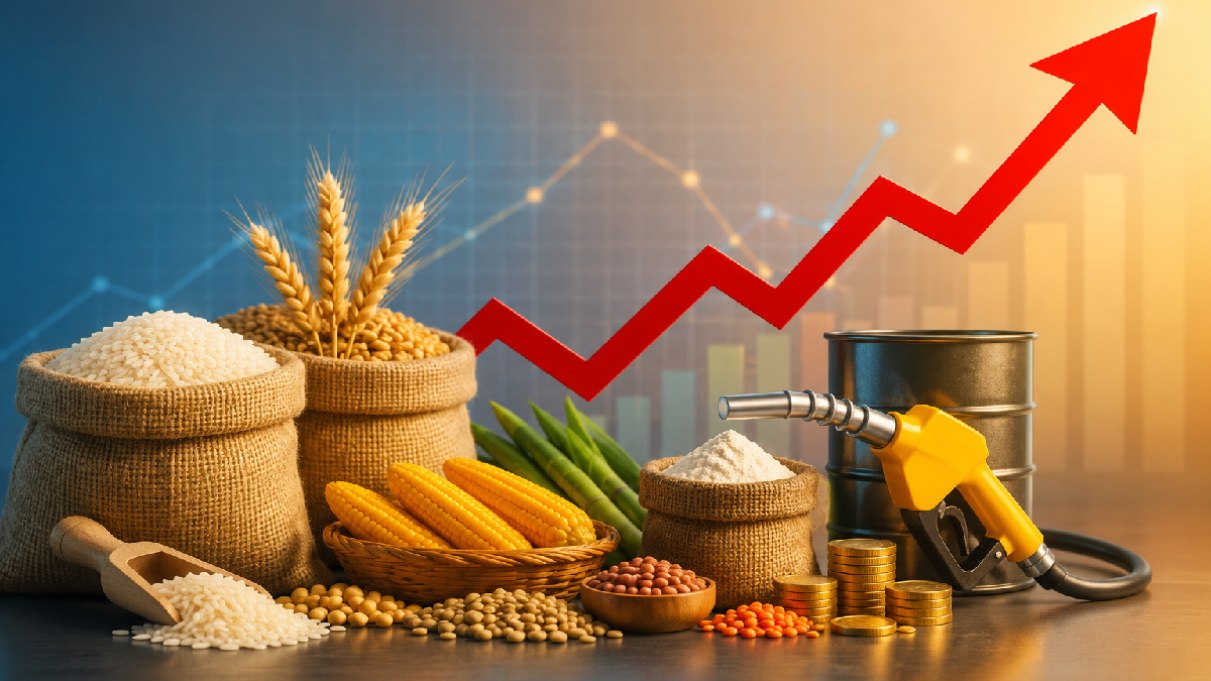
Wholesale inflation, measured with the Wholesale Price Index (WPI), is still on the rise in food products, agricultural commodities, and some manufactured goods across the board. Food inflation remained one of the major contributors to the overall rise as prices of vegetables, cereals, pulses, edible oils, and other essential commodities remained high during the month.
Some agricultural regions, supply chain problems, and high demand have led to high food prices, analysts say. Seasonal fluctuations and transportation costs have also kept wholesale prices high. These factors make it hard for inflation to slow down, despite expectations for stable supply chains and better conditions in recent months.
Apart from food items, several industrial inputs and manufactured products have also seen price increases. Rising energy costs, logistics expenses, and global commodity price movements have increased producers’ costs. If this trend of production costs in all sectors continues, retail prices will increase.
Inflation is one of the key concerns for the RBI, as it is closely monitoring price trends and the economy. Persistent inflationary pressures could also affect policy decisions for interest rate adjustments and liquidity management measures.
Economists believe that sustained high wholesale inflation can have broader implications for the economy. Higher input costs can also have negative effects on profit margins for small and medium businesses with less pricing power. Consumers could also be financially hurt if higher wholesale prices are passed on to retail markets, which means increased household expenses.
Some experts believe inflationary pressures could ease in the next few months if agricultural production is better and supply-side conditions are improved. The monsoon season, government actions to control food supplies, and market dynamics in global commodities will be crucial to inflation in the second half of this year.
Financial markets are also following inflation data closely: data on inflation will tell us a lot about the health of the economy, as well as future policy actions. Investors can see inflation trends as the key to future economic growth prospects, corporate earnings, and market sentiment.
As India continues to grow, managing inflation is still a delicate balancing act. Strong demand and economic activity are positive signs, but if prices keep rising, consumer and business risks are significant. For long-term economic stability, food prices and supply can be monitored with June wholesale inflation numbers in view.
With inflation still high, all industries will be watching the economic indicators for signs of whether price pressures are likely to be temporary or persistent in the months ahead.