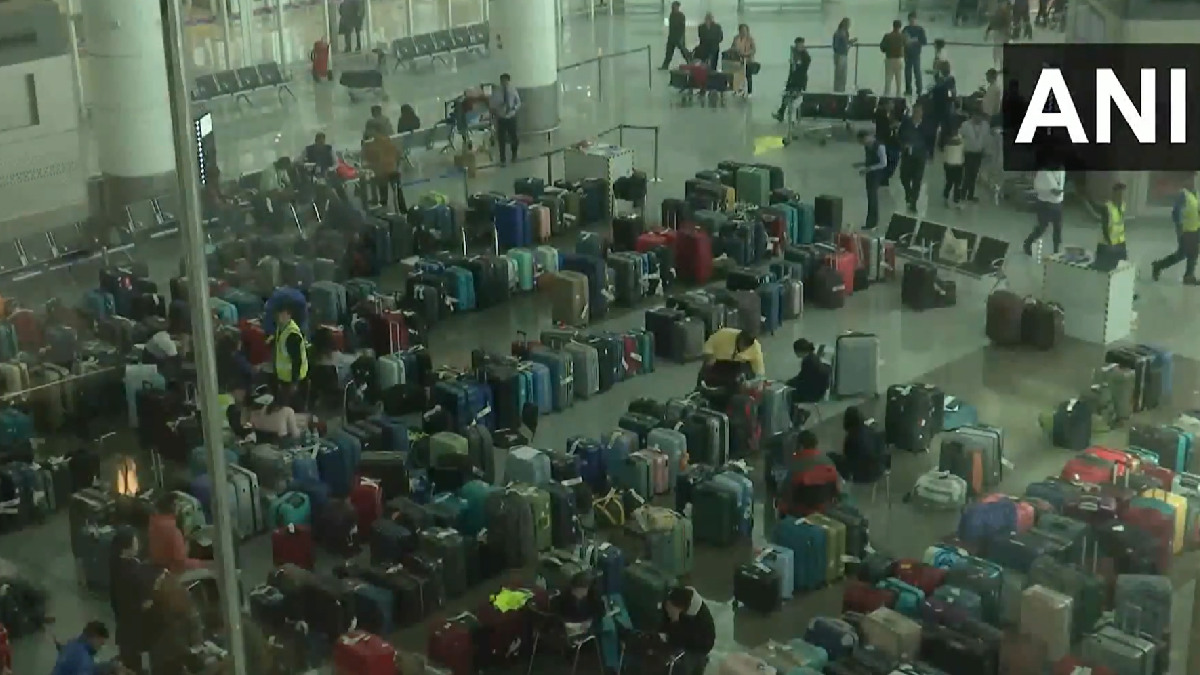
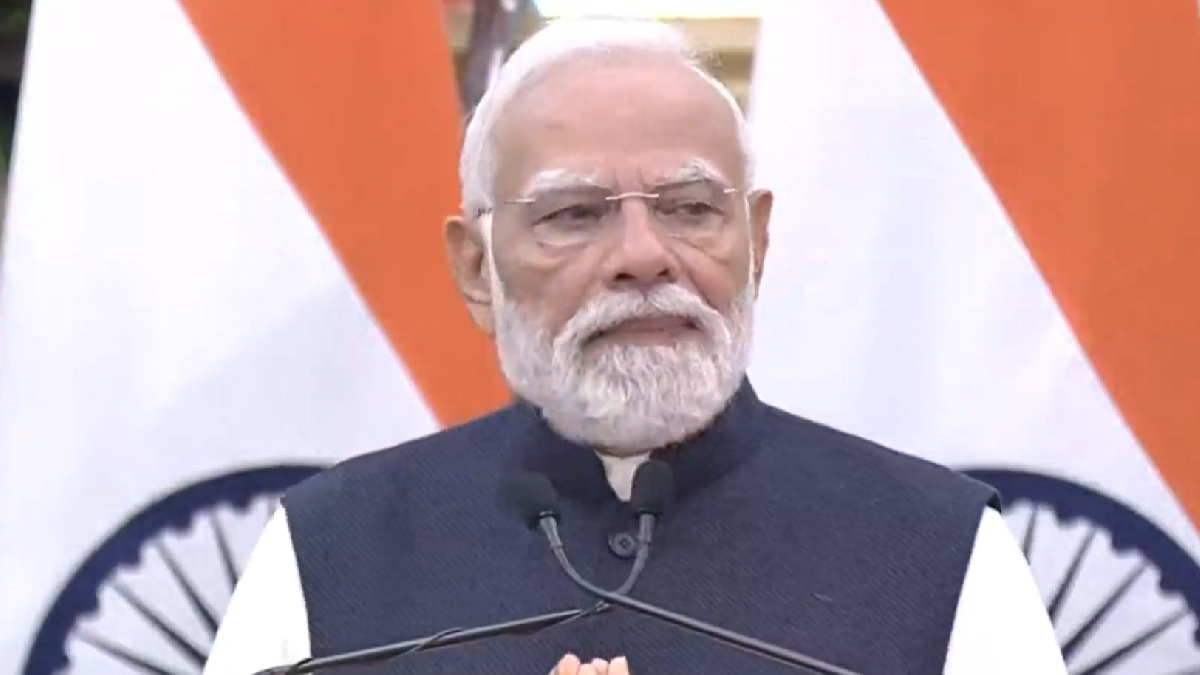
As the country grappled with the severe operational meltdown of IndiGo, India’s largest airline, Prime Minister Narendra Modi addressed the crisis with a clear directive to members of the ruling National Democratic Alliance (NDA) and his government. Emphasizing the core philosophy of governance, the Prime Minister reportedly stated that “Rules are good, but people should not be troubled” and that "laws should not be a burden on the people, but for their convenience." Speaking at a meeting with MPs, the Prime Minister called on lawmakers and government officials to ensure that all laws and regulations are primarily designed to ease the life of the common citizen, not to harass or unnecessarily inconvenience them.
Context of the Crisis: Safety vs. Convenience
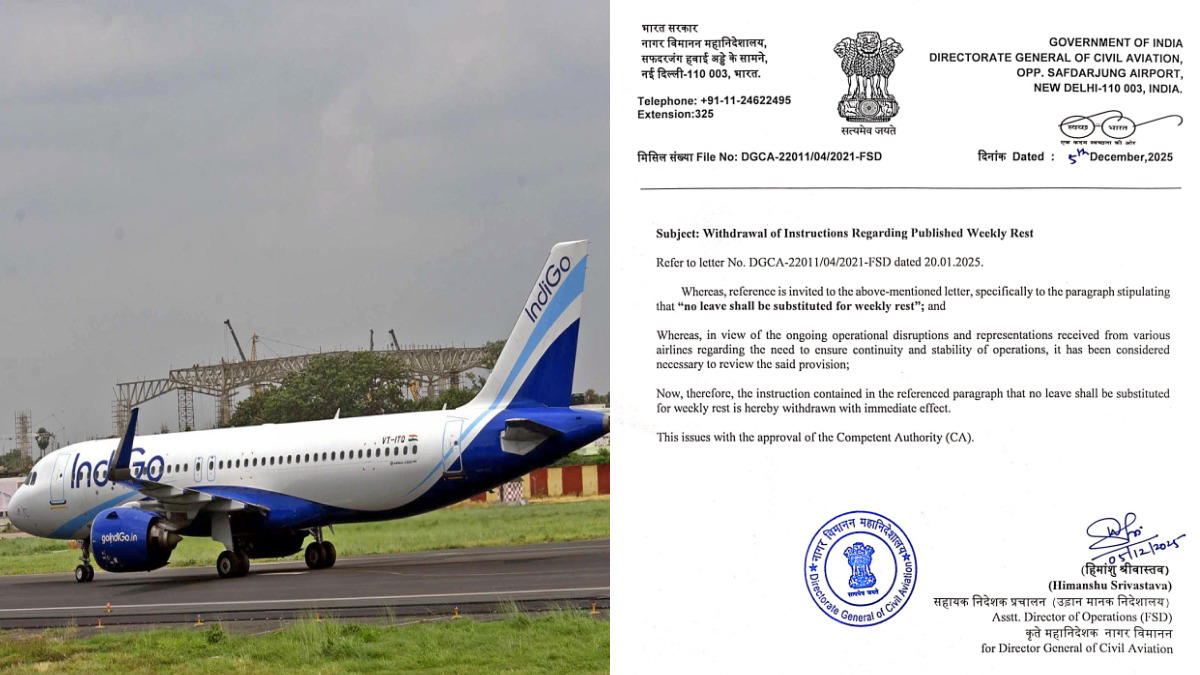
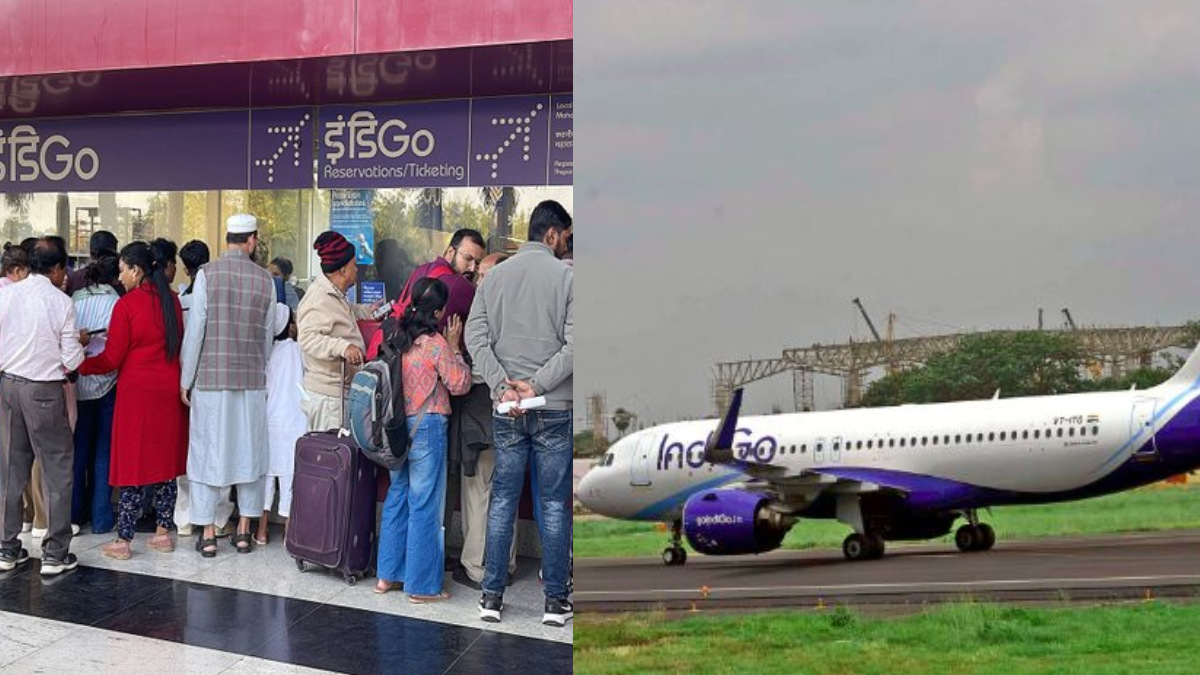
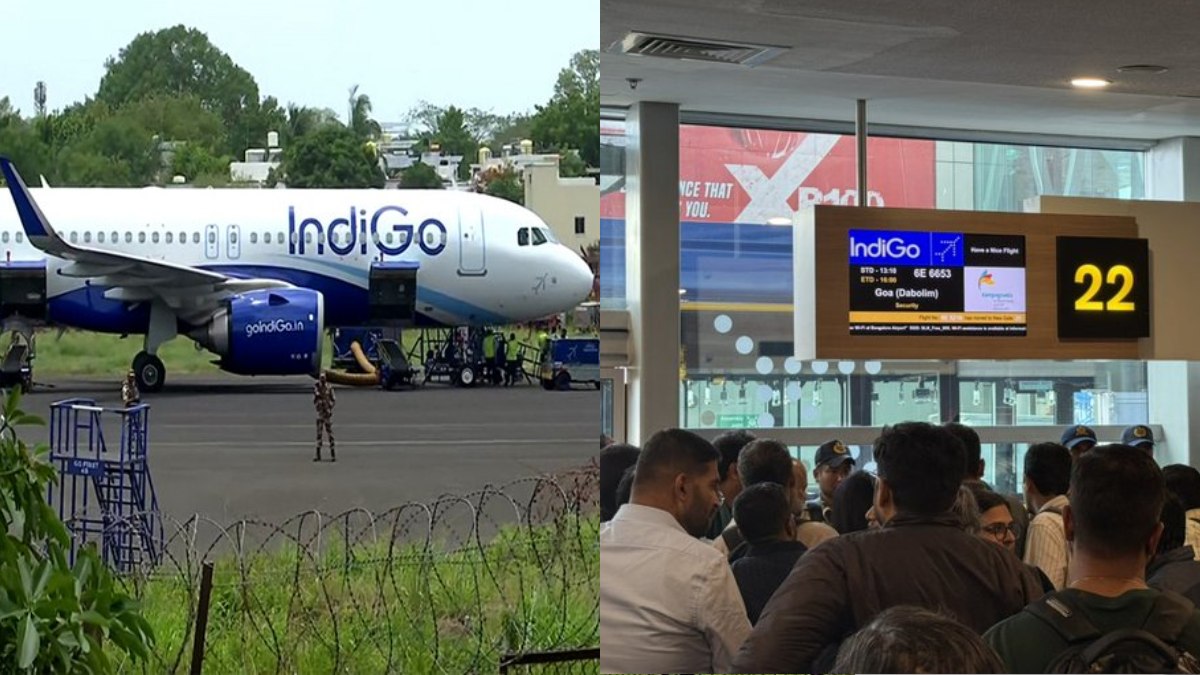
The Prime Minister’s remarks are considered highly significant given the root cause of the widespread chaos. The crisis, which led to the cancellation of thousands of IndiGo flights, stemmed largely from the airline’s failure to rapidly adjust to the stricter new Flight Duty Time Limitations (FDTL) norms mandated by the Directorate General of Civil Aviation (DGCA) to combat pilot fatigue. These new rules, which came into full effect on November 1, 2025, increased the mandatory weekly rest period for pilots and significantly restricted night-time operations. While the intent of the FDTL rules was flight safety, the operational mismanagement and crew shortage at IndiGo, a consequence of what critics called poor planning, resulted in a severe disruption that caused immense hardship to lakhs of passengers during the peak December travel season.
Government Intervention and Regulatory Shift
In a move clearly aligned with the Prime Minister's emphasis on public convenience, the Civil Aviation Ministry intervened and, in the face of mounting public anger, decided to temporarily put on hold some of the stringent new FDTL rules for IndiGo's A320 fleet. This temporary exemption, granted in the "public interest," aimed to immediately restore stability to the flight schedule and address the chaos at major airports. The government acknowledged the need to balance safety regulations with the operational reality and the severe plight of stranded travelers, particularly senior citizens and those traveling for essential needs. This regulatory relaxation, though criticised by some pilot bodies for compromising safety, underscored the government’s immediate priority of mitigating the public distress caused by the airline's operational failure.
Focus on Accountability and Future Preparedness
While stressing that rules should not trouble the public, the government also ordered a high-level inquiry to determine the reasons and accountability for IndiGo's massive operational disruption. The Civil Aviation Ministry squarely blamed the airline's "internal system" and lack of adequate planning, especially since the airline had a two-year preparatory window for the new FDTL norms. The PM's message, therefore, serves as a dual-purpose instruction: on one hand, it calls for humanity and flexibility in the application of rules when they cause widespread suffering, and on the other, it implicitly warns regulatory bodies and service providers against rigid adherence to protocol without considering the practical impact and necessary preparedness for compliance.