Indore which has long been lauded for its urban cleanliness came in second place in a clean-air survey only one point behind first place. That has renewed debate about air quality in Madhya Pradesh’s capital city and Mayor Pushyamitra Bhargava reportedly said the loss was due largely to higher PM10 levels.
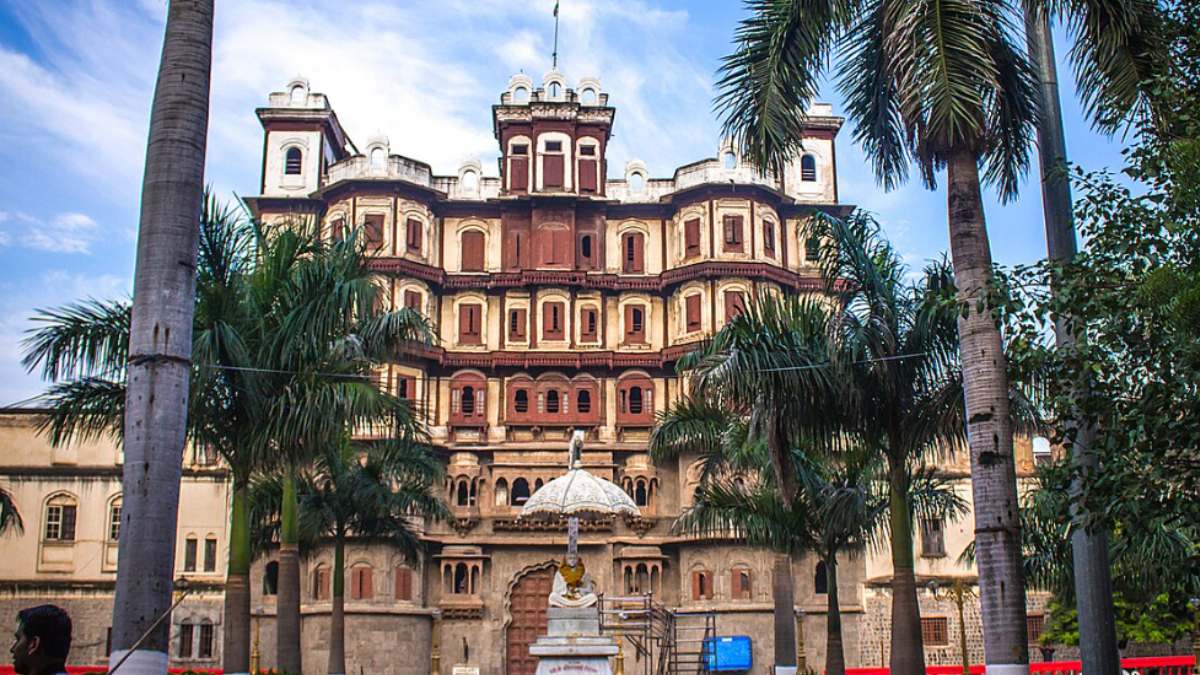
The tight margin made the latest rankings even more important because Indore is still pitching itself as a model of urban environmental management. The city has done much on waste management and sanitation but clean air is harder to achieve (traffic, construction activity, road dust and weather) than it used to be.
PM10 Blamed for Indore’s Slip
Mayor Bhargava has blamed PM10 pollution for Indore not retaining the top position. PM10 is particulate matter with a diameter of 10 micrometres or less. They can come from road dust, construction, vehicles and industry.
Because PM10 can be suspended in the atmosphere concentrations can increase when it is dry and there is little air circulation. For a rapidly developing urban centre these emissions need to be controlled over time across many sectors.
The one-point difference shows how small changes in pollution indicators can affect rankings in environmental assessments.
Clean City, Air Quality Challenge
Indore has been repeatedly recognised nationally for cleanliness initiatives (waste collection, segregation and sanitation). But clean streets don’t equal clean air.
Population growth, infrastructure expansion and increased vehicle movement can all cause particulate pollution. Construction sites and unpaved roads can produce dust as well as traffic adds emissions to the urban air.
Authorities have therefore increasingly focused on mechanical road sweeping, dust suppression, traffic management and stricter control of construction sites.
A Wake-Up Call for Urban India
The latest result could also be a reminder that environmental performance isn’t just about waste management. Cities that want healthier living conditions have air pollution to contend with as well as sanitation, water management and other urban planning issues.
For Indore losing the clean-air top spot by one point may actually be a good thing in the long run because it will give them an opportunity to strengthen what they’re already doing. More monitoring of PM10 sources and action in areas where pollution is higher could improve future performance.
The narrow margin also shows how competitive urban environmental rankings have become. As Indian cities turn more towards sustainability and public health air quality is likely to become even more important measure of urban success.
Indore’s latest setback may therefore be short lived. Investment, enforcement and participation can all help bring particulate pollution down in the city again — so that it can reclaim its place as one of India’s cleanest air urban centres.