A recent statement by Jagadish Shettar has erupted a new discourse in Karnataka on language, identity and development. According to his former Chief Minister and current Member of Parliament position, English will be called our language as Hindi cannot even be considered an Indian language; thereby hindering the state by distancing Hindi speakers.
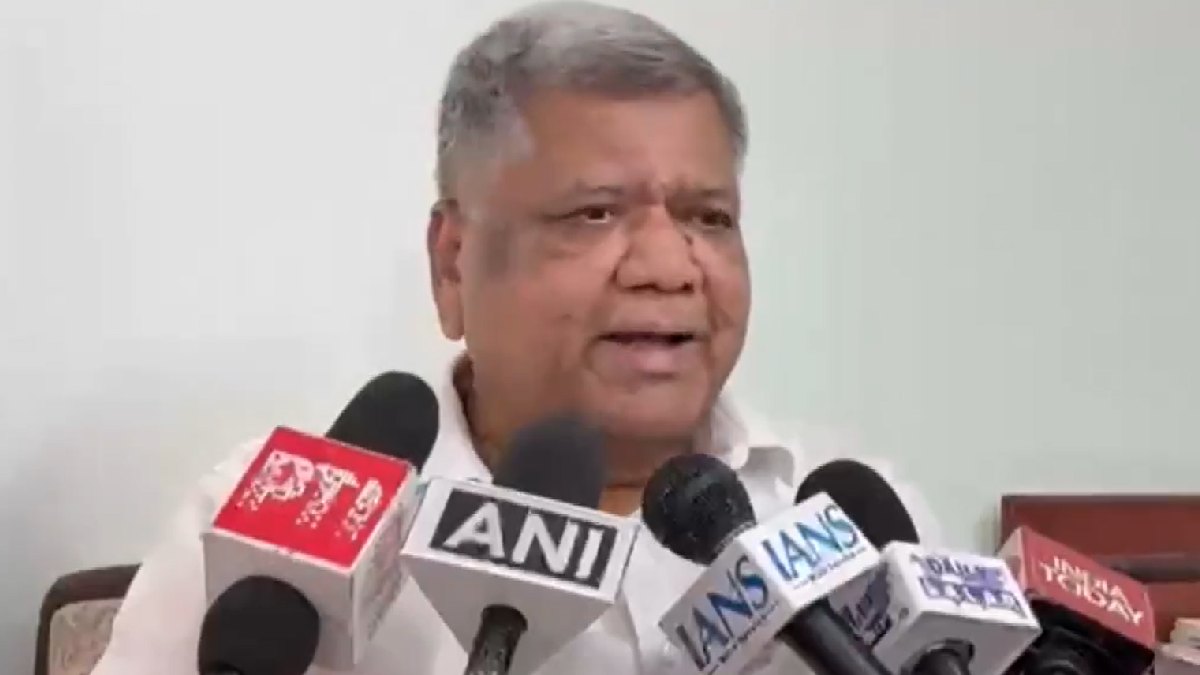
The remarks draw disparate reactions from the political scene and the public. Both supporters and opponents believe promoting Hindi helps better and more openly to communicate between states, while one says the statement is unduly sensitive to Karnataka’s linguistic diversity, geographical diversity and regionalism.
Karnataka, like most southern states has to do with keeping its native language of Kannada the same and having English, a universal language in education, technology and business to be linked internationally in some parts of the world. This state’s capital, Bengaluru, is an excellent tech center of India to which English brings global investment and talent.
Critics of Shettar’s comment say that to call English ”not Indian” belittles the meaning of that language in contemporary India even as companies are more involved through IT, education and international trade. And they also warn we not do that in a multilingual context.
Hindi speakers, supporters believe, are widespread across northern and central India and their language is one of the key bridges connecting different communities. They believe to ban Hindi language might reduce collaboration and growth.
The debate is an extended and more frequent national discussion of language policy in India that connects regional pride with national integration and global competitiveness.
Political analysts say these are statements very differently at different regions of the world most notably in states like Karnataka, for instance. There has been a history of protests and strong public opposition to language imposition.
So all we have to do is keep pushing and looking from where we are headed: how an attempt to make people feel like language diversity is okay and is important as our economy is developing and communities are at peace? There shall be no short run but the controversies of a few words on identity and the right to progress on what happened really hasn't stopped an important discussion in India?