An Indian fitness brand has taken the internet by storm after unveiling a bizarre product called the “Protein Condom,” causing social media users to laugh bygone days (see the pics on london and nasa.com) that could not be believed as genuine as it was in other countries.
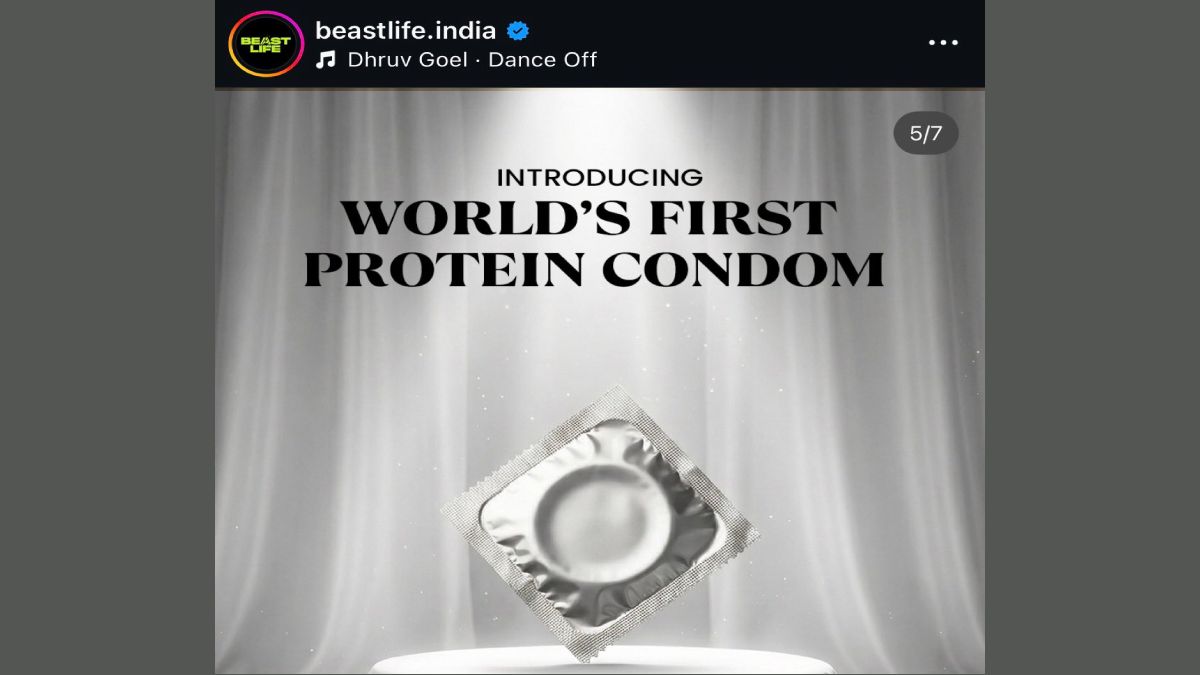
The brand advertised the so-called “Protein Condom” as a unique fusion of fitness and lifestyle enhancement, proclaiming that it was for “active people.” But it was so original that that the practicality and authenticity of the concept appeared at once in question.
Social media erupted with response shortly after the announcement. Some responded in laughter and some derided the brand’s creativity as being too big of a publicity stunt. Memes, jokes and cynical opinions spread fast (it could go viral very soon) and made for a good and bad case of the ad business and so the brand’s messaging did reach beyond just social media platforms to get to the world.
Beastlife surpassed Amul in terms of their protein product 😭😭😭 pic.twitter.com/nY7g2yOMe9
— Dank jetha (@Dank_jetha) March 29, 2026
Many users highlighted how the launch fell in April it seemed it was probably an April Fool’s prank. The timing for April 1’s news added to speculation that the brand wanted to provoke rather than introduce a product.
Marketing scholars say unusual campaigns like that may be aimed at maximising awareness and engagement. Brands take the lead in online conversations by creating shock value as well as the curiosity for this, even if you aren’t selling a product.
But if not handled properly in the right manner, such strategies can become a double-edged sword to consumers. There, they generate buzz, they may be confusing or upset at consumers without giving enough consideration. The difference between reactions to those bold and experimental ideas in this case is shown in the mixed ones.
As of now the brand is still not certain if the “Protein Condom” is a legitimate product, a rumor or part of a prank. No matter what we say here and there online, opinions remain strong.
Clearly, irrespective of the authenticity of the stunt, it achieved its goal and in the digital age creativity can easily become viral things: as a story can do this quickly but with only so much fanfare.