Thousands of job aspirants in Jharkhand marched to the state Vidhan Sabha on Monday in protest against the alleged irregularities of recruitment exams in the state for the 17th day by thousands of job aspirants who have been protesting against recruitment. The demonstration, which also involved candidates for JPSC and JSSC exams, came as the protesting students and the state government had yet to come to terms on some of their demands, such as the cancellation of the CGL examination which has been held.
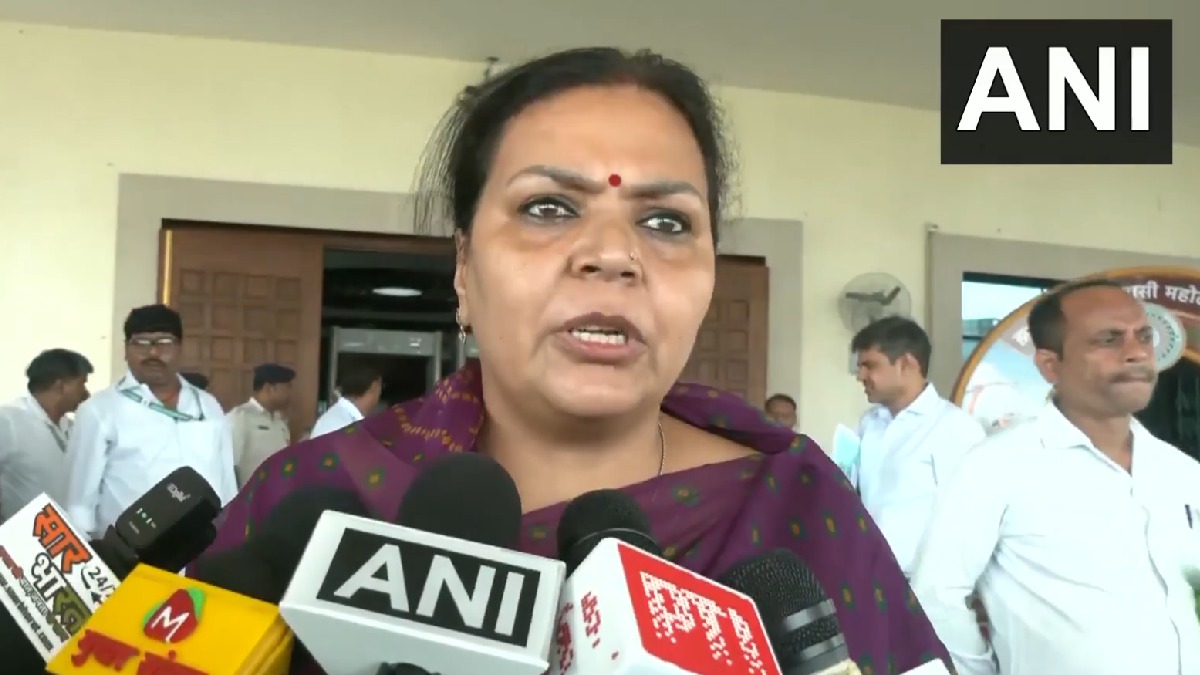
With the march in the spotlight, Jharkhand Minister Deepika Pandey Singh assured protesters that the administration will not use force to control the demonstration. As for the protesting job aspirants, the minister said there will not be pellet guns, tear gas or lathi-charge.
And protests are a democratic right and therefore the administration’s duty is to maintain law and order and respect the constitutional rights of the demonstrators, she said. The minister told students in her speech as thousands of students, many of whom had gathered around the national tricolour and placards in protest, marched in the direction of the state Assembly.
The protest march began from outside the old Assembly complex in Dhurwa. The demonstrators were going to proceed towards the new Vidhan Sabha building to press the government to address their concerns over recruitment examinations. The march also coincided with Chief Minister Hemant Soren’s 51st birthday, so it was even more political in nature.
Students have been protesting for several days, alleging irregularities and demanding corrective action in various competitive exams conducted for government recruitment. The agitation has continued despite several rounds of discussions between students and the state government.
Deepika Pandey Singh said the government had already had extensive discussions with the protesting students and had accepted many of their demands. She dismissed the claim that the two sides had not been able to communicate effectively and said talks had continued for several days.
The main point of disagreement is the demand for cancellation of the CGL examination. The government cannot take a decision independently, the minister said, because judicial directives were involved. According to the state government, the investigation was open-ended and that if required, judicial scrutiny would be conducted.
The minister also said the government had asked the Enforcement Directorate to investigate allegations of financial misappropriation. “The government took several steps to respond to the concerns raised by the students, within the constitutional and legal framework,” she said.
The government has also proposed wider reforms to the recruitment examination system. Singh said the administration had shared details of these proposed reforms with the students. Some of the proposals would be for an expert committee, which might include representatives from reputed institutions like IIMs, IITs, XLRI and ISM.
But the government’s position has not convinced the protesting students. A state government panel on Sunday expressed disappointment that the agitation is continuing even though authorities are claiming to have conceded most of the demands made by the aspirants.
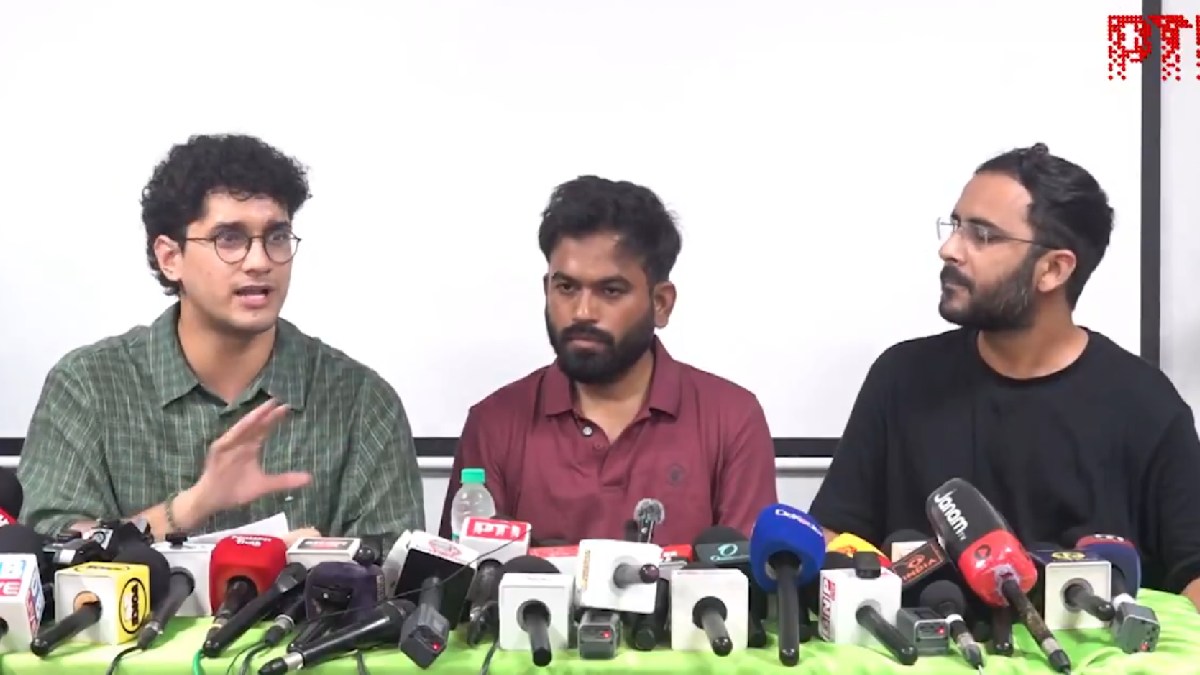
The students have disputed that claim. According to the protesters, the JMM-led government is “spreading lies” about the negotiations and has only agreed to cancel three of the 13 competitive exams they have raised concerns about. The students have also sought support from political parties as they continue their agitation.
The clash over the CGL examination has therefore emerged as one of the central issues in the standoff. The government maintains that legal and judicial limitations preclude it from simply cancelling the examination, but the protesters insist that recruiting errors need to be investigated by the authorities.
The march to the Assembly is yet another significant escalation of the students’ campaign. The protests are a big deal for thousands of people who are coming together in support of the students and are calling on the government to give concrete assurances rather than talk to them about what they can do more about the students’ issues.
For the administration, maintaining peace during the march has become an important challenge. The minister’s explicit assurance that pellet guns, tear gas and lathi-charge would not be used appears to be aimed at preventing confrontation and reassuring students that their demonstration can proceed without violent intervention.
#WATCH | Ranchi, Jharkhand: JPSC-JSSC aspirants' protest in Ranchi | Ranchi: Jharkhand Minister Deepika Pandey Singh says, "In a democracy, there is permission for protests; people are free to hold them. The administration is taking the necessary actions to maintain law and… pic.twitter.com/nZOEQPmCEu
— ANI (@ANI) August 10, 2026
The larger picture is of growing frustration among government-job aspirants over recruitment exams and the transparency of selection processes. For thousands of candidates, competitive exams are the crucial route to getting government jobs, so allegations of irregularities matter greatly.
As the JPSC-JSSC protest enters its 17th day, the immediate focus remains on finding common ground between government and student representatives on the unresolved demands. The reforms and investigations may help to alleviate some concerns, but the students' demand for the cancellation of the CGL examination remains an obstacle.
The government’s assurances against the use of force may keep Monday’s march peaceful, but as long as both sides can reach an agreement on the disputed examinations and the broader reforms that aspirants want, there will be a lasting resolution.