The student protest against irregularities and paper leaks in recruitment exams in Jharkhand on Monday also intensified after thousands of students marched to the Jharkhand Assembly in Ranchi to express their anger and protest against recruitment exams, and the Jharkhand government did not respond to their pitch for a better examination system as they marched to the Jharkhand Assembly. The recent demonstrations which began 17 days ago have seen students from a number of districts in Jharkhand state demand changes in the recruitment exam system.
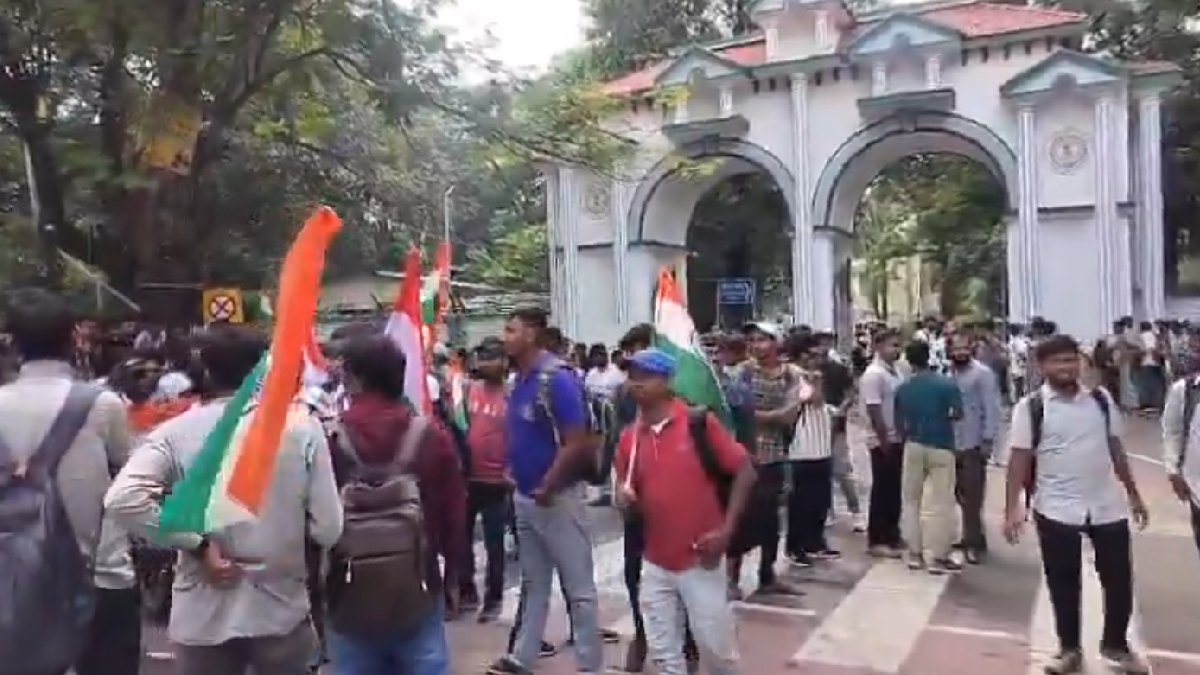
Students arrived in Ranchi in large numbers by trains, buses, private vehicles and other modes of transport to participate in the protest. The gathering has intensified pressure on the Jharkhand government, saying that the demands they have made have not been met since several rounds of talks with government representatives.
The latest march follows the failure of the sixth round of talks between student representatives and a government-appointed panel. The meeting took place one day before the planned Assembly march and could not convince the protesting students to stop their agitation. The students are adamant about an independent investigation - specifically, a Central Bureau of Investigation (CBI) probe to determine whether there are any problems with recruitment exams and paper leaks.
The protest has been motivated by the Jharkhand Public Service Commission (JPSC) and Jharkhand Staff Selection Commission (JSSC) examinations for the most part. Students and their representatives have been calling for changes in the recruitment process, for greater transparency and accountability but also for action against officials or individuals responsible for examination-related irregularities.
The state government has maintained that it has already accepted a large proportion of the students’ demands. According to the government, almost 98 per cent of the demands have been accepted and students have been asked to call off the protest. But the protesters reject this assessment and say that the demands are not fully met by the government.
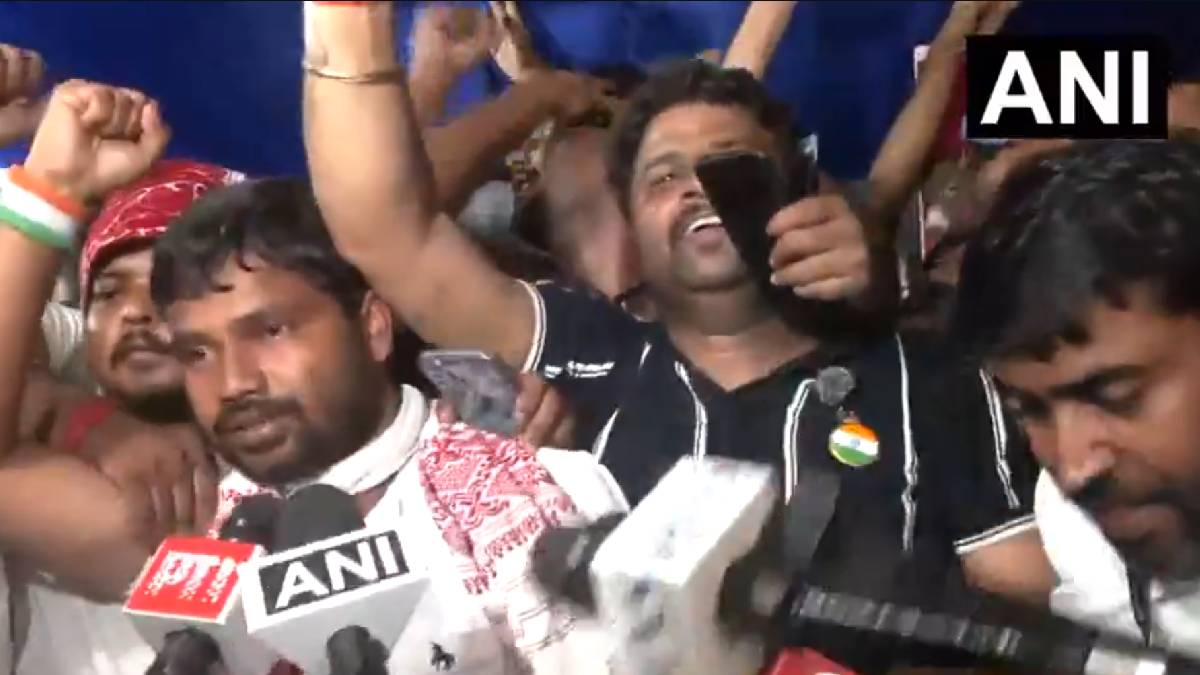
According to student representatives, the government has agreed to scrap only three of the 13 examinations that the protesters want cancelled. JPSC-JSSC Reforms Manch has also repeated its call for a CBI investigation into the purported irregularities. The dispute in the government's response is the main reason for the protest as the government is not responding in an effective and comprehensive manner.
The agitation has also been accompanied by a hunger strike. Six protesters are said to be on hunger strike as students keep asking the government to act. Their involvement has made negotiations more urgent and raised concerns for the health and safety of those involved in the long-term demonstration.
The Ranchi administration has also put up huge security measures for the Assembly march. Barricades have been set up at large points and other sensitive places in the city. Large numbers of police are also being sent out to prevent any law and order situation during the demonstration.
Authorities have also been monitoring students moving into Ranchi. Police teams have been checking buses and private vehicles at district borders, major roads and highways to prevent protesters from reaching the state capital. The more extensive security comes as the Assembly march has been widely anticipated to bring an avalanche of people.
Ranchi schools have also been kept closed as well as other schools. The administration’s action reflects the growing scope of the protest and its growing scale and issues of traffic management, public safety and the threat of disruption of the state capital by protesters.
The student agitation is a watershed moment for the JPSC after the Commission has recently faced a leadership shake-up. Three JPSC members resigned after they were summoned by the Criminal Investigation Department (CID) in connection with alleged irregularities and paper leaks in recruitment examinations. L Khiangte had also quit as chairperson of JPSC on July 22.
The developments have increased scrutiny of the state's recruitment examination system. Recruitment exams are very important for students in government jobs and allegations of paper leaks or irregularities can be a concern for fairness and equal opportunity.
Chief Minister Hemant Soren had earlier assured protesting students that strict action would be taken against those who were found guilty of irregularities in recruitment exams. But the protesters are still demanding a CBI investigation and remain unconvinced that the current steps by the government are sufficient.
By now the Assembly march has been at the center of the student movement and the state administration’s struggle. The protesters want concrete responses to their demands, and the government has to solve the stalemate without escalation.
The question is now whether fresh talks can bridge the gap between the students and the government. And until then, the continuing protests, hunger strike and Assembly march are likely to keep recruitment examination reforms and purported paper leaks at the center of political and public attention in Jharkhand.