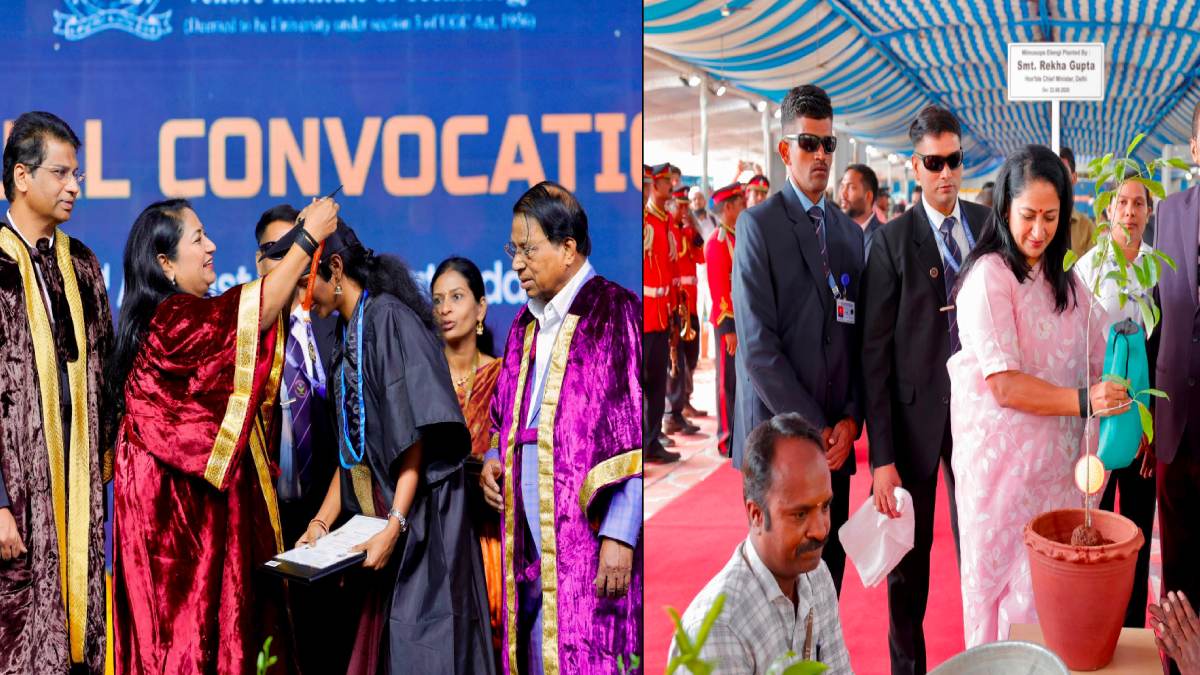
New Delhi, Delhi Chief Minister Rekha Gupta yesterday said the Delhi government made all of the arrangements in place to ensure that Kanwar pilgrims were not disturbed and that Kanwar pilgrims were not in trouble during the Kanwar Yatra in the city since the national capital.
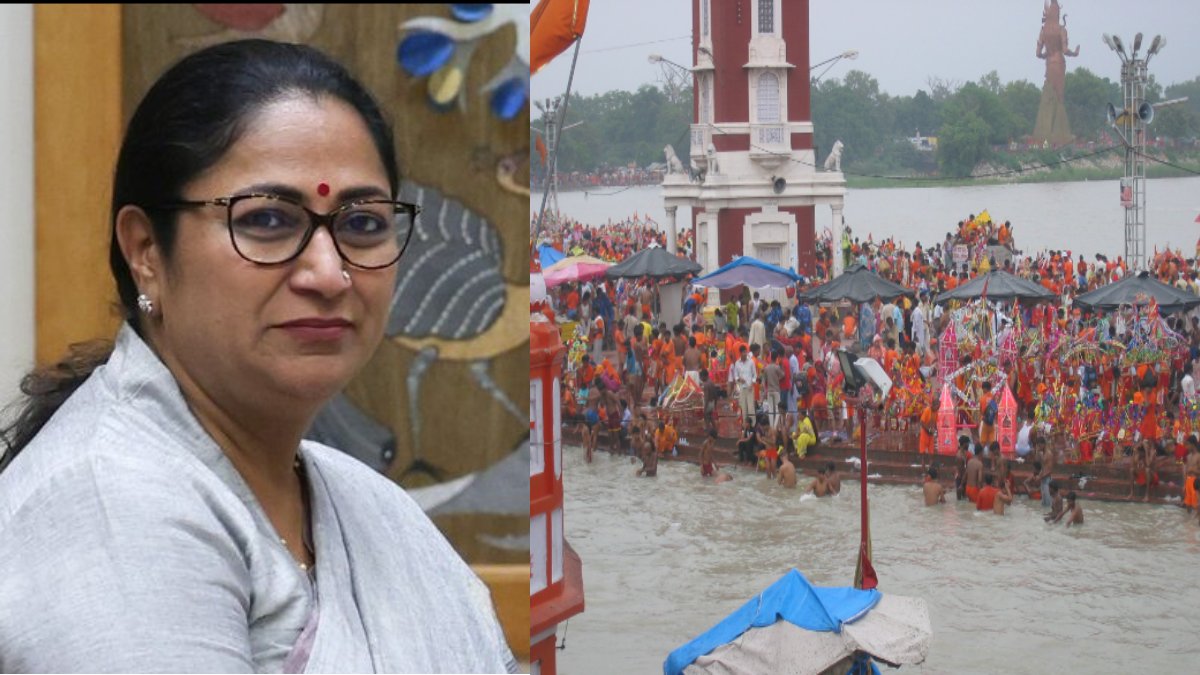
And thousands of devotees came in a lot of numbers to travel through Delhi during the pilgrimage which is conducted by the devotees of Lord Shiva during the holy month of Shravan. We are talking about basic facilities, safety of public and pilgrims will be taken place in order for them to travel and we will never allow them to suffer any inconvenience, he said.
Kanwar Yatra is the largest annual pilgrimage in northern India and attracts the devotees from Delhi and neighbouring states. Kanwariyas collect holy water from the Ganga and take it back to their hometowns and local villages where it is served at Shiva temples. In view of the large number of pilgrims, coordination in the event is a big problem between civic institutions, police, health care teams and other departments.
The Delhi administration worked to ensure arrangements were in place before pilgrims' movement started to take place, said Chief Minister Rekha Gupta. The government’s preparation was to meet the practical needs of devotees, but also to manage the traffic and people living there through the yatra as well as the yatra. Temporary facilities and particular arrangements are required during the pilgrimage because large numbers of people move through various parts of the city.
Public safety was still one of the key aspects of the Kanwar Yatra operation. With large numbers of devotees on roads, the traffic diversions, pedestrian movement and emergency services need to be integrated with authorities as well. Delhi government and enforcement agencies also need to work hard to make sure essential services are available to the local people while on pilgrimage.
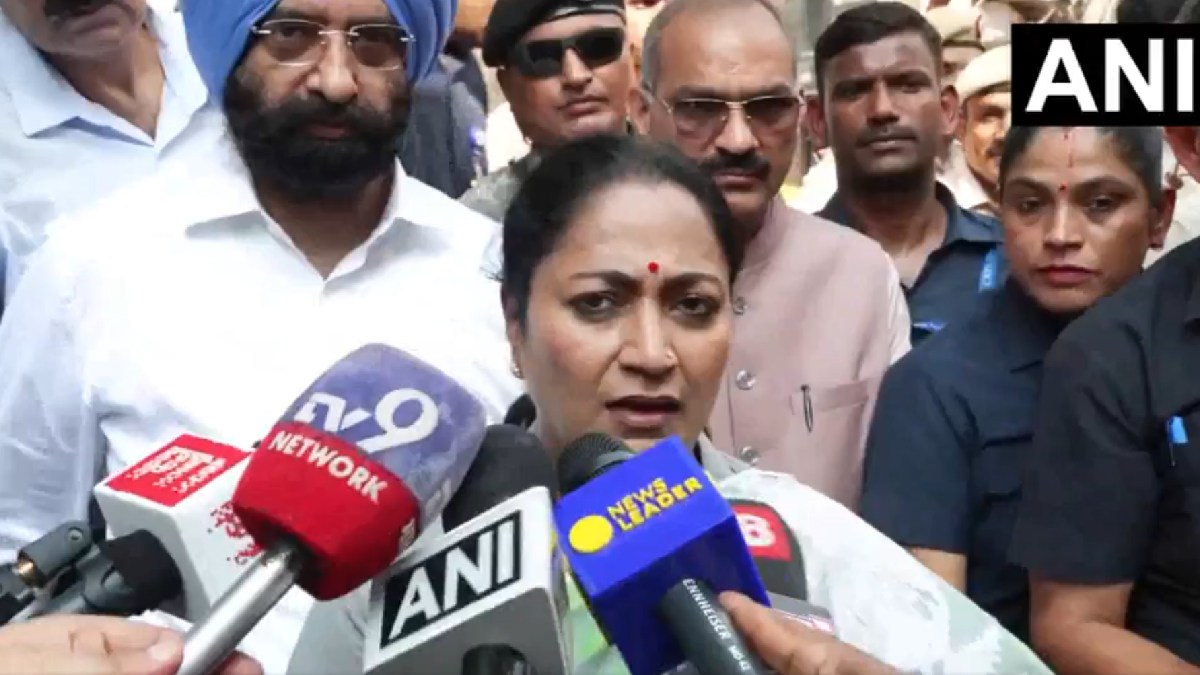
The Chief Minister’s comment highlights the government’s dedication to religious events as well as civic order. With pilgrims travelling long distances (many of whom are on foot) and drinking water, sanitation, medical care and rest facilities important to them, they require a lot of help on return to the city. These arrangements can alleviate the inconvenience of devotees and help in support of their health while travelling.
Healthcare arrangements are just as important to the management of the large pilgrimage. Temporary medical facilities and emergency response teams are able to help pilgrims that may become tired, thirsty or have other health issues while travelling. Ambulances and emergency vehicles have to be made available to big groups of devotees quickly.
Traffic management is equally critical in Delhi during Kanwar Yatra as well, especially in the context of the Kanwar Yatra. The Kanwariyas’ movement will also cause congestion on large roads in the vicinity of many major highways and on the major roads of the city, especially the ones that pilgrims are frequently travelling. When pedestrian movement will be in a hurry and traffic will be affected by the Kanwariyas moving through the city during the Kanwar Yatra, traffic may be slowed down, the traffic in Kanwariyas will get affected along one direction or another, even the other, traffic management will be affected by diversions and restrictions should the government take action to keep the traffic moving efficiently.
The Delhi government’s arrangements also affect residents and businesses along the pilgrimage routes. Although religious events are essential to the city’s social and cultural life, short-term restrictions can affect urban commuting and commercial activity. In order to do so, the pilgrims’ needs (and that of the rest of the public) need to be managed.
The Chief Minister Rekha Gupta has pointed out that the objective of the administration was that devotees should not have to suffer unnecessarily from non-availability of the pilgrimage to go through and get into trouble and the government had decided that they can go on their pilgrimage without any difficulty. Her comments also underline the importance of the government being ready for big public events with great crowds is also important for government preparation of major public events which attract huge numbers of people.
The Kanwar Yatra has historically received a great deal of administrative attention because of its size. State governments and local authorities along the pilgrimage routes frequently create special control rooms, medical facilities, sanitation arrangements and security measures. Delhi also serves as a transit point for devotees moving from one place to another.
Our pilgrimage also brings together people from different parts of northern India. Many Kanwariyas go in groups, but some travel individually. Their routes might take them through densely populated areas, roads and commercial zones and therefore the traffic restrictions and public facilities must be clearly communicated to them.
From the government perspective, the successful management of the pilgrimage will depend on coordination between different agencies. Police personnel tend to security and traffic, civic agencies do sanitation and public infrastructure, health personnel help emergency response and administrative officials manage coordination and response. Disruption in any one area can cause problems during a large-scale public gathering.
The Chief Minister's comments thus reflect the government’s assessment of its preparedness and response during the yatra. Although official accounts about arrangements are part of the administration’s account, the experience of pilgrims and residents could differ based on the location and the circumstances.
The Kanwar Yatra is, for Delhi, one of the biggest religious events and logistics challenge of the Kanwar Yatra. The movement of large groups of devotees is a big deal for us and they have to plan for it and the pilgrims must be able to have access to basic facilities. Cleanliness along their routes is also crucial because temporary gatherings can generate a lot of trash as well.
Public infrastructure is also relevant to the government’s actions during the pilgrimage. Temporary arrangements can cater for the additional demand that the yatra is bringing and long-term improvements in roads, sanitation, healthcare and emergency response could help make the city more well-suited to host large events in the future.
Chief Minister Rekha Gupta’s comments are in line with the Delhi government’s position on this development, with the government stating that it is taking steps to make the Kanwar pilgrims’ safe and convenient environment for Kanwar pilgrims. The approach of the present administration is also to ensure that religious events can take place without compromising public safety and the basic civic services.
As the Kanwar Yatra has ended in the capital of Kanwar, the focus will be much more on examining the arrangements and areas to improve for future pilgrimages. Lessons learned from crowd management, traffic management, sanitation and medical support will have to be useful in the future to prepare authorities for the next stage.
Kanwar Yatra is an important religious tradition for millions of devotees and so Delhi’s role in facilitating the movement of pilgrims requires sustained administrative coordination. The government, according to Chief Minister Rekha Gupta, worked to make sure devotees had no inconvenience in traveling and that they had all the facilities that they required in their travels.
The administration’s focus is on pilgrims to the point of neglect of capital, and with all that is happening in the capital, the government’s support in this regard is appreciated. As Delhi continues to host large-scale religious and cultural festivities, proper planning, cooperation of the public and coordination between government agencies will be of great importance to ensure that both are safe and smooth.