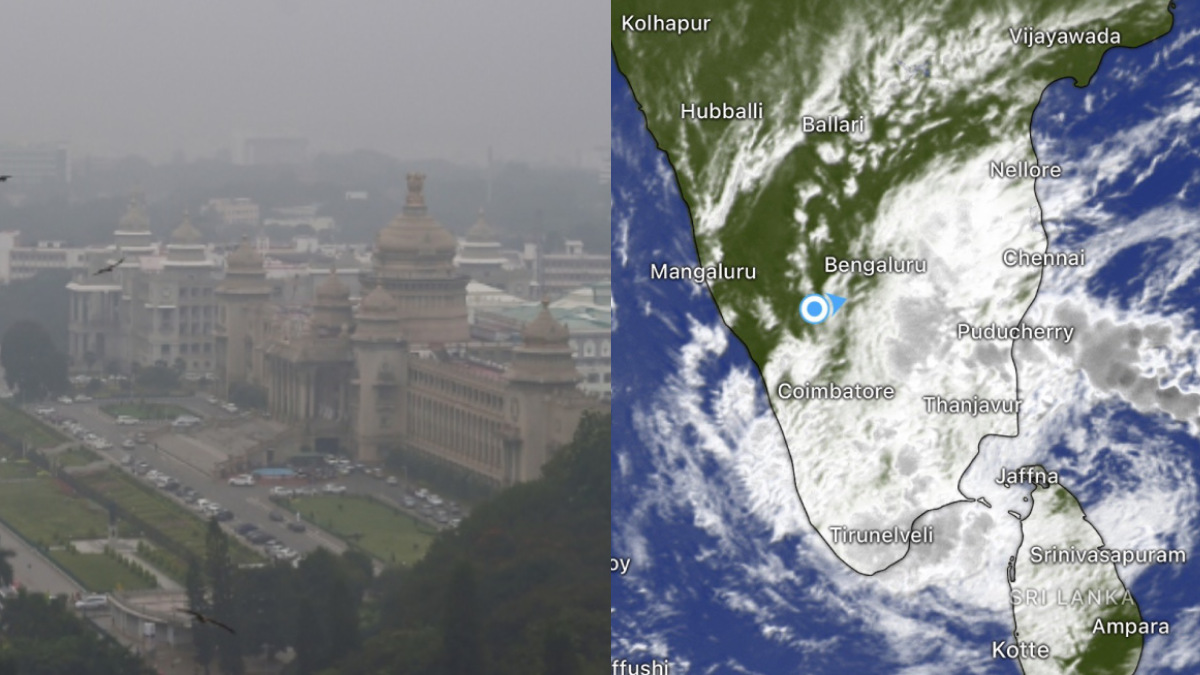
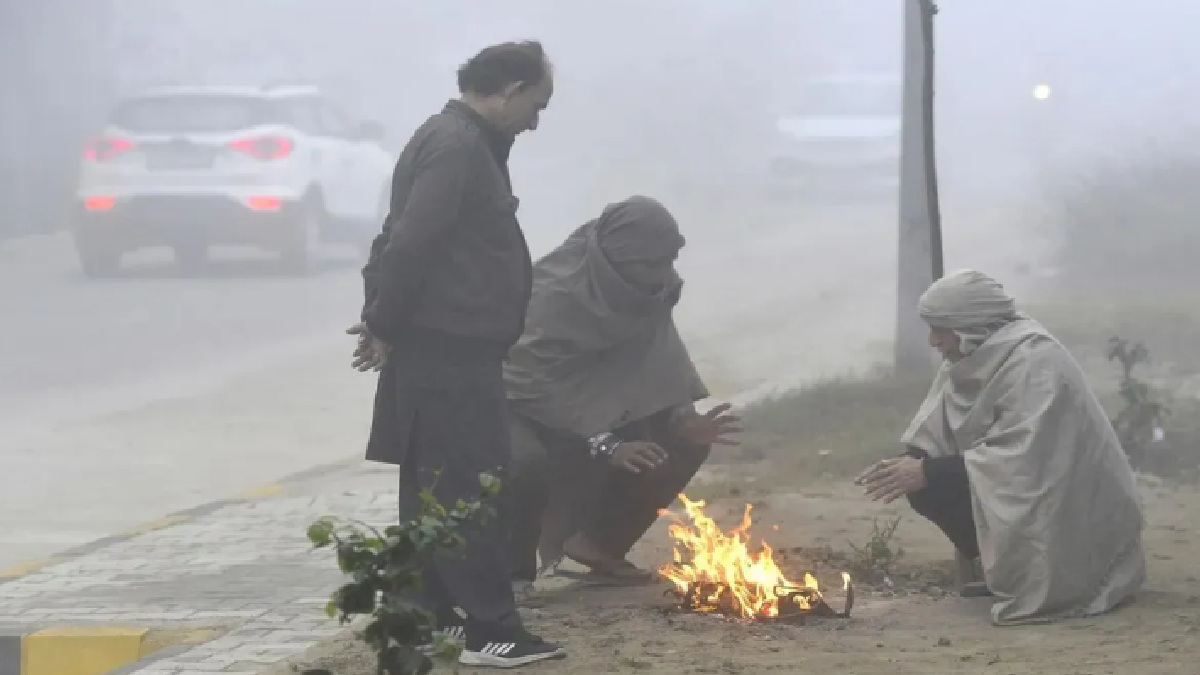
According to the India Meteorological Department (IMD), the people of Karnataka are waking up to a dramatic drop in temperatures, which in the long term is expected to cause dry weather and chilly conditions. Bengaluru, the state capital, is dealing with early morning mist and chill, health officials said, warning of risk of serious illness for the most vulnerable, including children and elderly people.
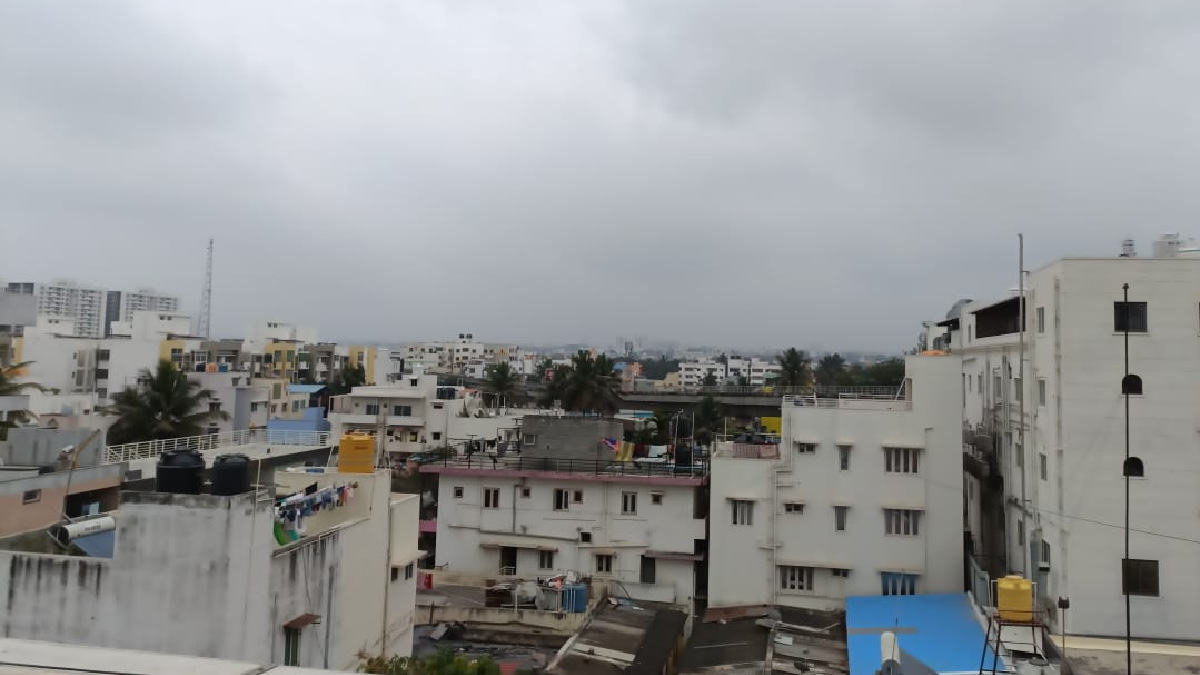
In All Parts of the Territory The Environment Is Dry
A dominant dry weather pattern has been associated with the Coastal, North Interior and South Interior areas of the state, per the latest bulletin. The IMD had said there's no immediate chance of rain, adding that clear skies are contributing to gradual daytime warming and sharp declines in nighttime temperatures. Some of the districts that are affected by dry weather are:
- Coastal Karnataka: Udupi, Dakshina Kannada and Uttara Kannada.
- South Interior Karnataka: Bengaluru Urban, Bengaluru Rural, Kolar, Chikkaballapur, Tumakuru, Ramanagara, Mandya, Mysuru, Chamarajanagar, Hassan, Kodagu, Shivamogga, Davanagere and Chitradurga.
- North Interior Karnataka: Belagavi, Bidar, Vijayapura, Bagalkote, Haveri, Gadag, Dharwad, Kalaburagi, Koppal, Ballari, Raichur and Yadgir.
In the north of the state where it has been dry for several days, it will last until the end of the week.
Risks on Weather and Health of Bengaluru
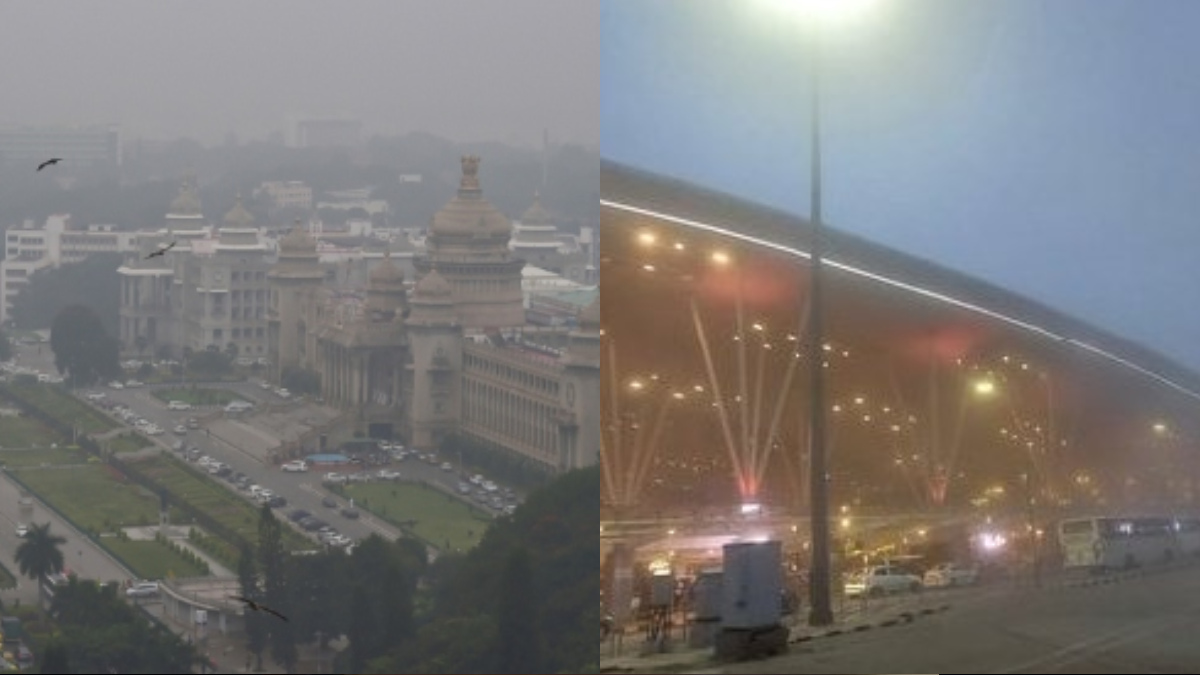
The temperature at least in Bengaluru ranges from 15°C to 30°C and the region is foggy in the morning, diminishing visibility on main highways and on the airport road. A spike in respiratory illnesses, common colds and dry skin conditions are seen by medical professionals as the environment changes suddenly. “Low humidity and cold air can be incredibly damaging to the respiratory system,” said a local doctor. Residents are advised to maintain their fluids and eat foods rich in nutrients and warmth that bolster their immune system.
Advice: How to Stay Safe
Public officials have advised a number of precautions, the worst of which probably are possible as the cold likely remains strong enough to hold:
- Layers: Embrace warm and woolen clothing, especially during the early morning and late evening.
- Looking at health check-ups for older people: Older people and young children are told to refrain from long periods of time when the cold morning air is strong.
- Balanced eating: Warm liquids, seasonal fruit and vegetables, high in Vitamin C
- Skin: Moisturizer use to prevent dry air found throughout interior zones.
According to the IMD, this "typical mid-January" weather will not change for the next several days while any significant weather disturbances in those areas are unlikely to cause precipitation.