The Karnataka Government introduced a new Alcohol in Beverages (AIB) based excise policy in the final notification. By bringing the revised policy into effect throughout Karnataka, the excise laws should benefit everyone in the state. In a major reshuffling of the excise structure here, a radical amendment will change the state of Karnataka from May 11.
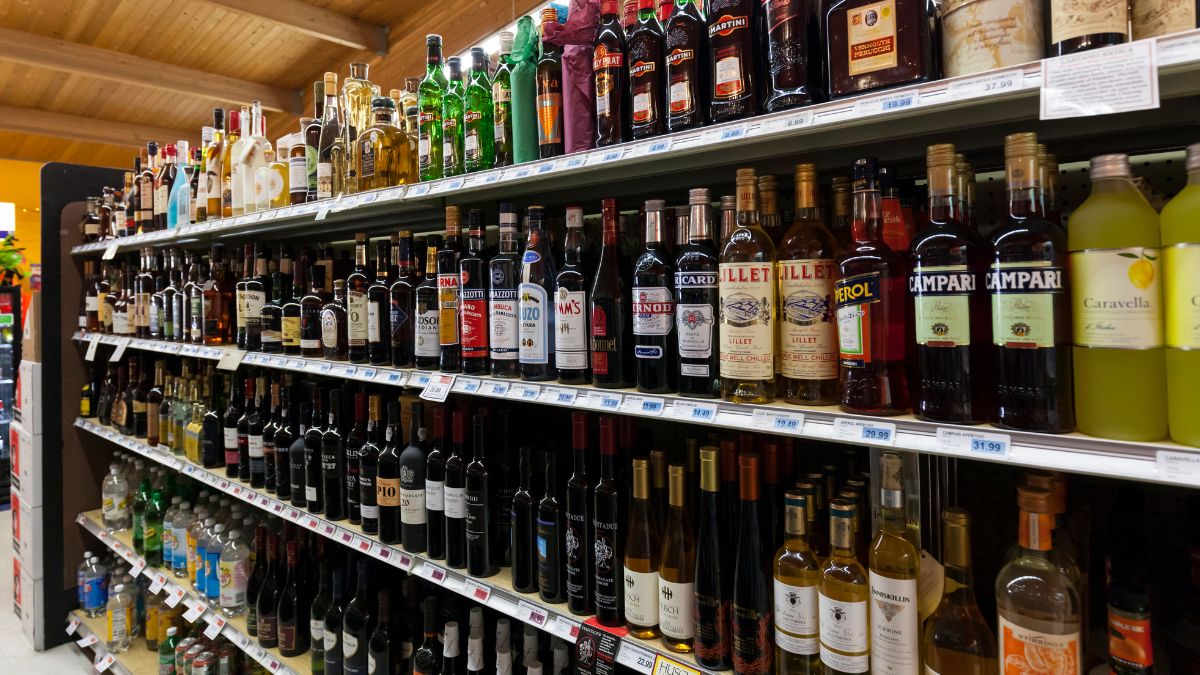
Karnataka will be the first Indian state to establish a liquor revenue-generating AIB taxation system. It was the new regime that superseded the “bulk litre” taxation model that had been in force for nearly 60 years.
The government had earlier issued a preliminary notice on 18 April and invited objections and recommendations from the public and stakeholders. Based on the response, Karnataka implemented the Karnataka Excise (Excise Duties and Fees) (Second Amendment) Rules, 2026.
The new excise policy now calculates excise duty on the actual alcohol content of a beverage, not the total liquid. It will also tax products such as whisky, rum, brandy, gin, vodka, beer and wine. Under the restructuring, there have been just 8 slabs in total to simplify the taxation mechanism and modernise the excise system, down from 16.
Industry sources feel the largest impact will be felt in the lower-price liquor category, responsible for a large share of the state’s excise revenue. Top-selling 180 ml tetra-pack options of whisky, rum, brandy, gin and vodka are expected to increase by at least 20 per cent under the new structure.
Meanwhile, premium liquor brands might become cheaper by around 16 to 20 per cent, a boon to international alcohol manufacturers and premium products. Concerns have been raised in the local liquor sector about the influence on local distilleries and regional producers. Low-cost Indian liquor producers are believed to be under more financial strain due to the new taxation system, according to industry representatives.
Local investments and jobs in smaller liquor makers could also be affected if the new premium international brands develop a more dominant market share, according to the analysts. On one hand and on the other side, the International Spirits and Wines Association of India (ISWAI) has expressed positive sentiments.
Sanjit Padhy, the CEO of ISWAI, called the reform a progressive means of cutting through and revamping Karnataka’s excise procedure. The new policy underwrites the principle of “Drink Better, Not More,” according to that association, nudging consumers to switch to better quality products rather than higher consumption.
After the policy takes effect next week, the Karnataka government is likely to closely watch how revenue and the markets respond to the policy. It’s the move that could determine future discussions of reforming alcohol taxation in other Indian states as well.