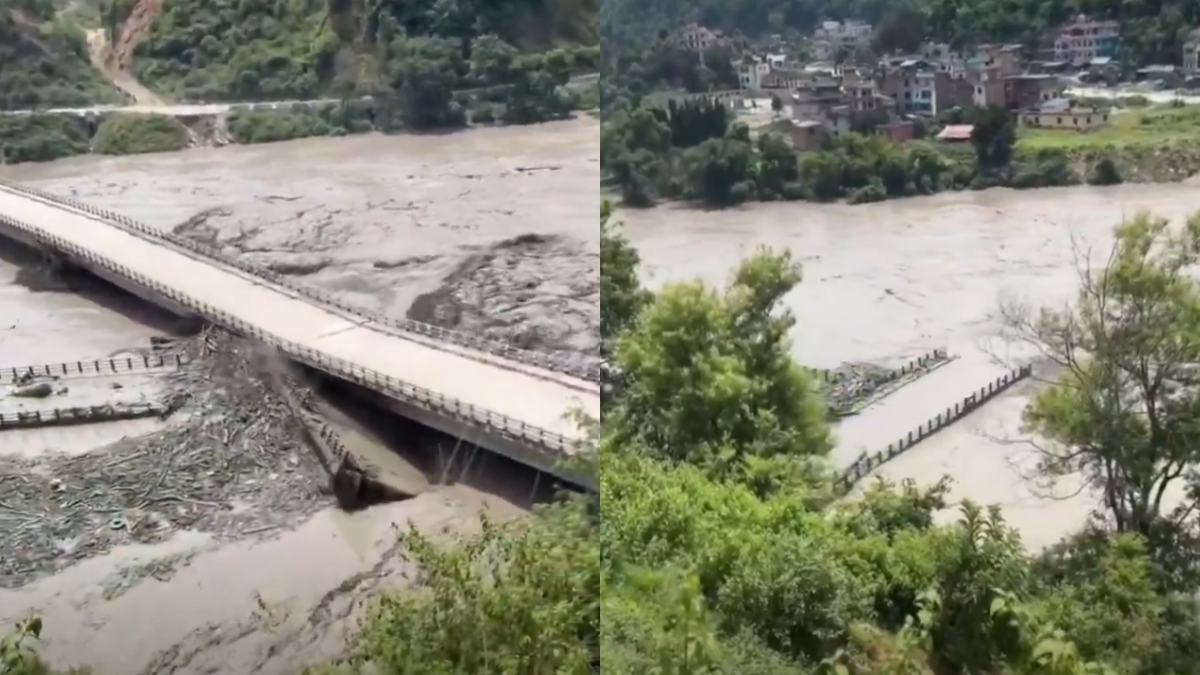
Krishna Raja Sagara (KRS) reservoir is receiving huge water flows as rainfall continues over parts of the Cauvery basin. As of August 27, the reservoir is receiving 17,427 cusecs and farmers and the communities dependent on the Cauvery river system should be expecting the system to be flowing at a much higher rate.
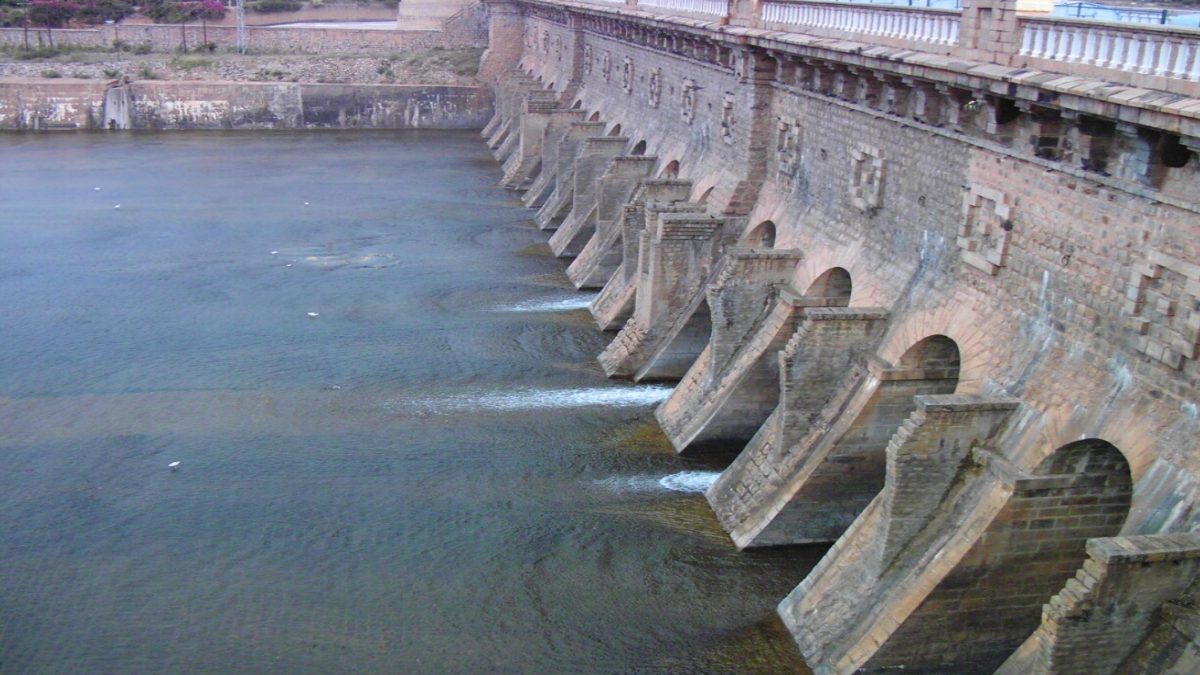
The water level at KRS is 109.75 feet and total storage is at about 31.471 TMC.
The better inflow is viewed positively, especially in the Mandya region, where agricultural activities are heavily related to the availability of Cauvery water. Continued rainfall in the catchment and upstream areas could further improve the reservoir storage position if the inflow remains strong over the coming days.
The KRS reservoir is one of Karnataka's most important water resources. It is located near Mysuru and Mandya and plays an important role in controlling water supply for agriculture and other purposes in the Cauvery basin. Water level is monitored throughout the monsoon in a very particular way because changes in inflow can have a direct impact on irrigation planning and downstream water availability.
The latest inflow of 17,427 cusecs represents a substantial amount of water entering the reservoir every second. Strong inflows are generally associated with favourable rainfall conditions in the catchment areas. With sustained rainfall for longer periods of time, reservoirs can build storage and this will help them to store water for the longer time horizon.
The increase in KRS storage is especially important for farmers in Mandya and surrounding agricultural communities. Farmers in the region depend on reliable water supply and a healthy reservoir level can give them confidence in irrigation planning. If current inflow goes up and storage goes up further, the potential of an adequate water supply to agricultural needs would be raised.
The current storage of 31.471 TMC is also a crucial indicator of the reservoir status. TMC, or thousand million cubic feet, is a common unit for measuring water in giant Indian reservoirs and monitoring storage in TMC allows the authorities and the public to compare the water available to the reservoir with the reservoir's total capacity.
The KRS water level is also important from the perspective of the wider Cauvery basin. The river system supports agriculture, drinking-water requirements and a variety of other needs across southern Karnataka and neighbouring areas. As such, reservoirs are frequently the subject of debate during drought periods and monsoon seasons.
The improvement in KRS inflows comes at a time when rainfall patterns are being closely watched across Karnataka. Reservoirs depend heavily on monsoon precipitation, and good rainfall in catchment areas can quickly change their water-storage position. But inflows can also vary greatly depending on rainfall intensity and distribution.
That is the reason a single day's water level reading does not necessarily mean the final seasonal storage position. Further rainfall and sustained inflows would be required for the reservoir to make further significant gains. Weather conditions in the Cauvery catchment will therefore remain an important factor in determining how KRS storage develops during the remainder of the monsoon.
However, the latest figures are still positive for the farming community. Farmers frequently depend on better access to water to make decisions about crops, irrigation and other agricultural activities and have to be aware of water availability in advance to make such decisions. Better reservoir storage will give confidence, but actual water releases and irrigation schedules will be determined by the relevant authorities.
The KRS reservoir has long been the center of discussions on Karnataka's water resources. Farmers, residents, policymakers and officials closely follow its water levels in the monsoon season. Any increase in inflow can provide some relief when reservoir levels fall below expectations.
The current 109.75-foot water level and 31.471 TMC storage are therefore an important update for Karnataka's Cauvery basin. The inflow of 17,427 cusecs indicates that water is continuing to enter the reservoir at a healthy rate amid favourable rainfall conditions.
The immediate focus for Mandya farmers will be on whether the inflow remains constant in the days to come. At the same time, if rainfall continues in catchment areas, KRS will see more storage, and more water may be provided for agriculture and other downstream water needs.
At the same time, reservoir management needs to be monitored carefully because water inflows can change rapidly during the monsoon. While managing releases, storage, inflow, downstream needs and safety issues need to be discussed by the authorities.
On the whole, the August 27 update presents a positive picture for KRS as inflows and storage reached 31.471 TMC. The continuous rainfall in the Cauvery basin is a proof of the improvement and has encouraged farmers in Mandya and other places where the reservoir is used.
And with the monsoon still a vital component of Karnataka’s water resources, the next few days will be important. If the current inflow trend continues, KRS could add more water to its storage, giving confidence to the Cauvery water availability for the agricultural season to come.