Karnataka is under the leadership of the state government’s intention to develop fruit orchards on government-owned land in the state to create jobs in rural areas of the state with the aim of providing a sustainable income for local self-governing institutions.
A programme that will bring agriculture, horticulture, environmental conservation, and rural development together in one long-term plan will be the model of the programme, which will be an integrated initiative seen as a long-term solution to developing the future for local people and public welfare, implemented by both local communities and public institutions that will enable them to develop the programme to be successful in the long term.
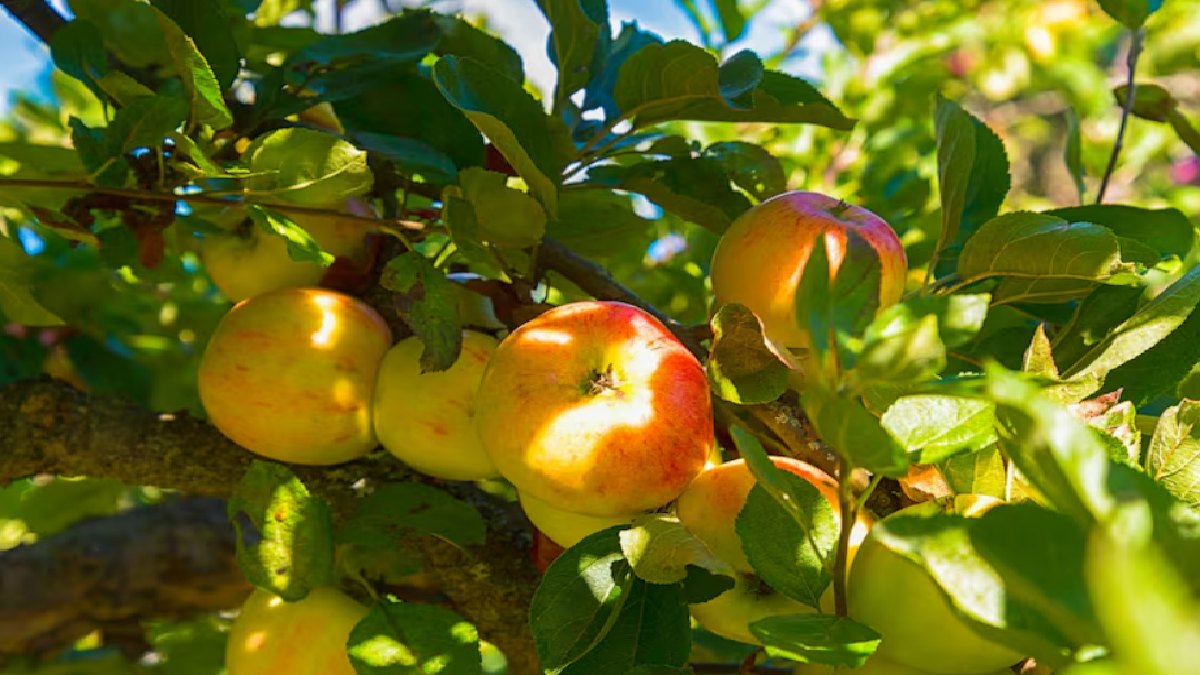
Government officials feel that such large areas of unused or underutilised government land can be converted into productive orchards with fruit-bearing trees like mango, guava, sapota, jackfruit, tamarind, amla, custard apple, and other horticultural crops suited to Karnataka's diverse climatic conditions. Once developed, these orchards can also benefit in terms of economic growth and greener landscapes and ecological balance.
One of the objectives of the initiative is to create employment opportunities in rural Karnataka. Orchard development is labour intensive, where we need labour at every stage - preparing land, planting, irrigation, pruning, fertiliser application, pest control, harvesting, grading, packaging, and transportation. This continuous demand for labour could create year-round employment for local people, especially agricultural workers, women, and youth who have limited job opportunities outside of seasonal farming employment.
The initiative will also help to strengthen the finances of gram panchayats and other local bodies. Revenue generated from the sale of fruits and other horticultural produce can provide local governments with another source of income for village development projects, infrastructure development, sanitation, drinking water facilities, education, as well as other public welfare projects.
More revenue sources will allow local municipalities to rely less on grants and will allow for community-oriented development work that can be done more effectively.
Fruit orchards offer a number of long-term benefits over conventional land-use practices that many land use practices have not been able to achieve, say experts. Fruit trees help improve soil quality, reduce erosion, enhance groundwater recharge, and increase green cover; they also absorb carbon dioxide, contributing to climate change mitigation and promoting biodiversity by providing habitats for birds, pollinators, and beneficial insects. All of which is why the initiative is also in line with both larger environmental and economic goals.
Karnataka is one of the top horticulture-producing states in India, with significant cultivation of mangoes, grapes, bananas, pomegranates, arecanut, coconuts, and many others. The state’s experience in horticulture could help make the orchard programme more successful.
Agricultural universities, horticulture departments, and research institutions can play an important role in providing technical advice, fruit variety selection, and modern techniques for cultivation to improve productivity.
This project may also lead to sustainable farming practices like drip irrigation, rainwater harvesting, organic nutrient management, mulching, and integrated pest management. These methods can improve water-use efficiency, reduce input costs, and enhance long-term productivity while ensuring environmental sustainability. With climate change and water scarcity increasing, efficient irrigation practices are expected to be an essential component of orchard management.
Another important effect of the programme is that it can develop local rural economies. Besides the direct employment in orchard management, it could lead to indirect opportunities in fruit processing, cold storage, packaging, transportation, marketing, nursery development, and agro-based industries.
Small entrepreneurs and farmer producer organisations (FPOs) may benefit from value-addition activities such as producing fruit pulp, jams, pickles, juices, dried fruits, and other processed products.
Rural development experts believe that community engagement in the project could also help boost the success of such a project. Local self-help groups, youth organisations, farmer cooperatives, and women's groups may be involved in orchard maintenance and produce marketing to ensure that economic benefits are shared widely across rural communities.
Karnataka government’s proposal also reflects the growing focus on integrating natural resource management and job creation. So rather than keeping government land idle, turning it into productive horticultural resources not only enhances public value but also improves environmental resilience.
While details of the implementation guidelines, funding mechanisms, and beneficiary participation models will be provided by the government, the proposal has already attracted the attention of agriculture experts, rural development professionals, and environmentalists.
Many see it as a novel model that simultaneously addresses employment generation, sustainable land use, and local governance.
If implemented effectively, Karnataka’s vision of fruit orchards on government land could serve as a model for other states that wish to build rural economies through sustainable development. The initiative will provide jobs for people, increase green cover, and generate revenues for local bodies, delivering long-term social, economic, and environmental benefits for the state.