Karnataka’s Food Safety and Quality Department is stepping up monitoring of food products across the state, and spice items and packaged masala powders are being increasingly scrutinized. There are concerns about harmful chemicals and unauthorized artificial colours in certain spice products in the market.
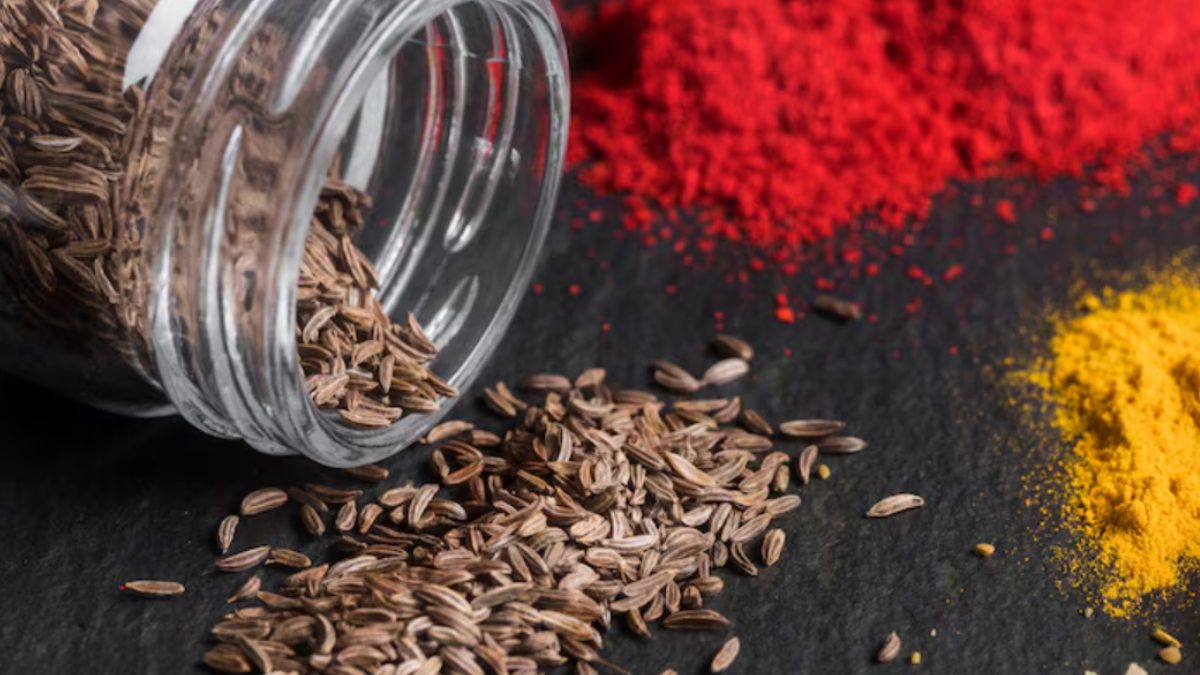
The department is already conducting inspections and raids in hotels, restaurants and food establishments in many parts of Karnataka as part of its broader food-safety enforcement drive. In light of recent investigations into substandard asafoetida (hing) products, officials are now going to focus on commonly used spices and spice powders like sambar powder, garam masala, chicken masala, turmeric powder and chilli powder.
State food-safety authorities are concerned over the possible presence of chemicals such as ethylene oxide (ETO) in spice products. The Karnataka department has since told the Central food-safety authorities to develop firm and rigorous rules for the use and limits of such substances in spices.
Spice Products Under the Scanner
Spices and blended masala powders are widely used in Indian households and restaurants, and so quality and safety checks are of high importance. The officials will collect samples of products from brands from various sectors and send them to laboratories for analysis.
The proposed testing will cover a number of parameters like artificial colours, pesticide residues and chemical levels. These samples will be sent to laboratories accredited by the National Accreditation Board for Testing and Calibration Laboratories (NABL) for scientific examination.
Testing is expected to help authorities determine if the products are in compliance with food safety standards. If laboratory tests show that a product contains chemicals or artificial colours above permitted limits, authorities can take action against the manufacturer or distributor that does so.
Such action might be sales restrictions, seizure of products and legal proceedings, depending on the nature and severity of the violation.
The ETO concerns raise Food Safety Questions
Ethylene oxide has become an important food safety concern in the spice industry due to its use as a fumigant in some cases. Residues that are not within the permitted limits of the regulatory regime can be problematic and may be regulated for safety reasons.
The Karnataka Department’s application to the Food Safety and Standards Authority of India (FSSAI) for a new set of stricter standards is evidence of an increased focus on spice manufacturers’ compliance with food safety standards.
This is especially significant as spices have to pass through many stages before reaching consumers, including processing, storage, transportation and packaging. Keeping safety standards at all stages of the process as well as in the packaging process is therefore critical.
But having a chemical in a food sample does not mean every product containing that substance is unsafe. The actual risk depends on concentration, exposure and appropriate regulatory limits. Laboratory testing is therefore important before authorities draw conclusions on each product.
Previous Action Against Asafoetida Products
The recent focus on spices follows recent enforcement action involving asafoetida products. Everest and LG asafoetida products were found to have inadequate alcohol-soluble content, and authorities are taking action against their sale and production.
The episode was widely reported on because asafoetida is a common ingredient in Indian kitchens. It also showed the importance of inspecting packaged food products as per the quality criteria of regulators.
Following that episode, food-safety officials will be planning to expand their surveillance to other widely-used spice categories.
Samples to be collected across Karnataka
State officials will collect samples from markets and establishments across different regions of Karnataka. Products like sambar powder, garam masala, chicken masala, turmeric powder and chilli powder will be part of the sampling exercise.
Samples will then be tested in laboratories to see if they meet the specified standards. Apart from artificial colouring agents, laboratories can also look at samples for pesticide residues and other chemical parameters.
A sampling process is important because visual inspection alone cannot reliably establish whether a packaged spice contains excessive chemical residues or unauthorized substances. Scientific laboratory analysis is needed to determine compliance.
Strict action if Violations are Confirmed
If a product is found to violate food-safety standards, the department has indicated that there will be harsh measures taken. Depending on the nature of the violation, the product may be prohibited from being sold and the responsible manufacturer or other people in the supply chain may be held responsible.
Criminal proceedings can have serious consequences for food businesses, therefore laboratory evidence and proper regulatory procedures are essential before such action is taken.
The increased surveillance also sends a message to food manufacturers that compliance with safety and quality standards is not optional. Companies that produce and sell spices are required to conform to FSSAI standards.
Consumers Are To Be Cautious
The development serves as a reminder to the consumer of the quality and source of packaged spices. Buyers can find packaging details on FSSAI licence information, manufacturing date, expiry or best-before date, ingredient list and packaging condition before purchasing products.
Consumers need to be wary of unusually cheap products or loose spices imported from countries where quality cannot be verified. Purchasing products from established retailers and checking the packaging for signs of damage or tampering can be added on top of that.
At the same time, consumers shouldn’t assume that a brand or product is unsafe just because it is being tested. A product’s safety status should be determined based on official laboratory results and regulatory findings.
Karnataka Steps Up Food Safety Enforcement
The increased surveillance on spice products is part of Karnataka’s overall process to improve food safety and tackle adulteration. And spices are a part of everyday cooking and therefore are important to be sure of safety in everyday use.
The next stage of the exercise will depend on the results of laboratory testing. If samples are found to contain prohibited substances or chemical and colour levels above permissible limits, authorities are expected to take action against the companies concerned.
So far the focus remains on testing, detecting violations and strengthening regulatory oversight. Karnataka’s Food Safety and Quality Department’s move is also an example of the need for coordination between state regulators and FSSAI to ensure food products that are purchased by consumers are compliant with the safety and quality standards.