Hotels and restaurants across the state have warned that a significant price hike for popular food products is in the offing, and consumers in Karnataka will soon be forced to pay heavily for more (among other things).
The Karnataka State Hotels Association pointed out that recent changes to the minimum wage rules by the state government have been the reason for hotels to impose a drastic increase in menu prices due to many of the rising commercial LPG and utility bills.
The industry is already under increasing financial pressure, KSHA officials said, and a rise in wages may make food price hikes unavoidable in the months ahead. KSHA President G. K. Shetty said that the new minimum wage policy would increase salary expenses within the sector by nearly 60 per cent.
The newly revised minimum wage structure is expected to set minimum wages for employees at ₹19,300 up to ₹31,100 for highly skilled employees. He warned that under, and according to the new wage regime, hotels and restaurants would have no choice but to pass along the additional burden to customers through prices for their foodstuffs.
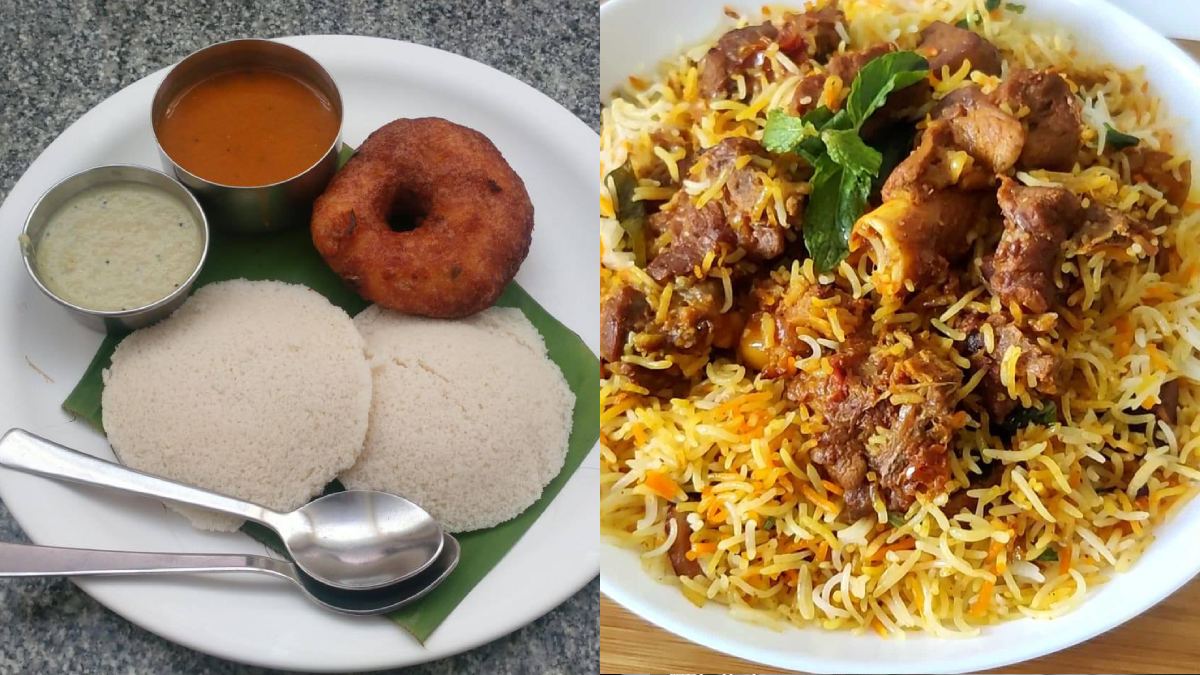
The cost per plate of idli, which is currently around ₹50 in some locations, might go up to ₹80-90, the association said. So do masala dosa prices, which are now between ₹80 and ₹90 but could potentially surge to approx ₹150. Full meals and popular restaurant dishes may be more easily affected.

Vegetarian meals priced between ₹150 and ₹200 currently might be upwards of ₹250-300, and restaurants in Bengaluru may see the prices of biryani go from ₹300-350 to nearly ₹500 per plate. The association said that the hotel industry is experiencing several other financial challenges at the same time.
The large increase in the cost of commercial LPG cylinders, required by the daily restaurant business, remains a key worry. Commercial LPG cylinder rates have skyrocketed over the past few months from about ₹1,884 earlier to nearly ₹3,152 now, hotel owners say. The sharp increase has significantly escalated kitchen running costs for hotels, meal service restaurants and small eateries.
In addition to LPG costs, increasing grocery prices, higher electricity tariff hikes, and waste collection cess charges have increased stress on the hospitality industry. The hotelkeepers say that sustainability is proving to be hard to sustain the hotels in this economy now.
The association also said a lot of hotels are already giving employees free food, accommodation and uniforms, which increases overhead costs. Hotels are pressuring the government to think of the hospitality industry in isolation while enforcing wage-related policies.
The anticipated food prices increase "could hit middle-class and regular customers who rely on hotels and restaurants for affordable meals hard," industry experts said. Small hotel owners and local eateries could find it difficult to balance customer affordability versus rising business costs as well.
The warning from the hotel association is given against a backdrop of food inflation and spiralling living costs that have already hit households in Karnataka. If prices rise as expected, such menu staples as idli, dosa and biryani will soon be even more expensive for consumers in cities, amongst them Bengaluru, Mysuru, Hubballi and Mangaluru.
No statewide price increase has yet been announced, but the hospitality industry is already clear that this price may have to rise, and if some measures are not implemented, it is going to become a certainty that there are going to be higher menu costs unless there is a relief measure in place to reduce the increasing burden on hotels and restaurants.