Hotels are places of rest and comfort and safety. Guests book rooms on the premise that their privacy is to be secured. But recent episodes have highlighted how that trust can be shattered in shocking ways. In China, a couple found out that private moments in their hotel room had been recorded discreetly, later broadcast online. This case indicates a problem that is emerging: hidden surveillance in hotels and the invasion of personal privacy.
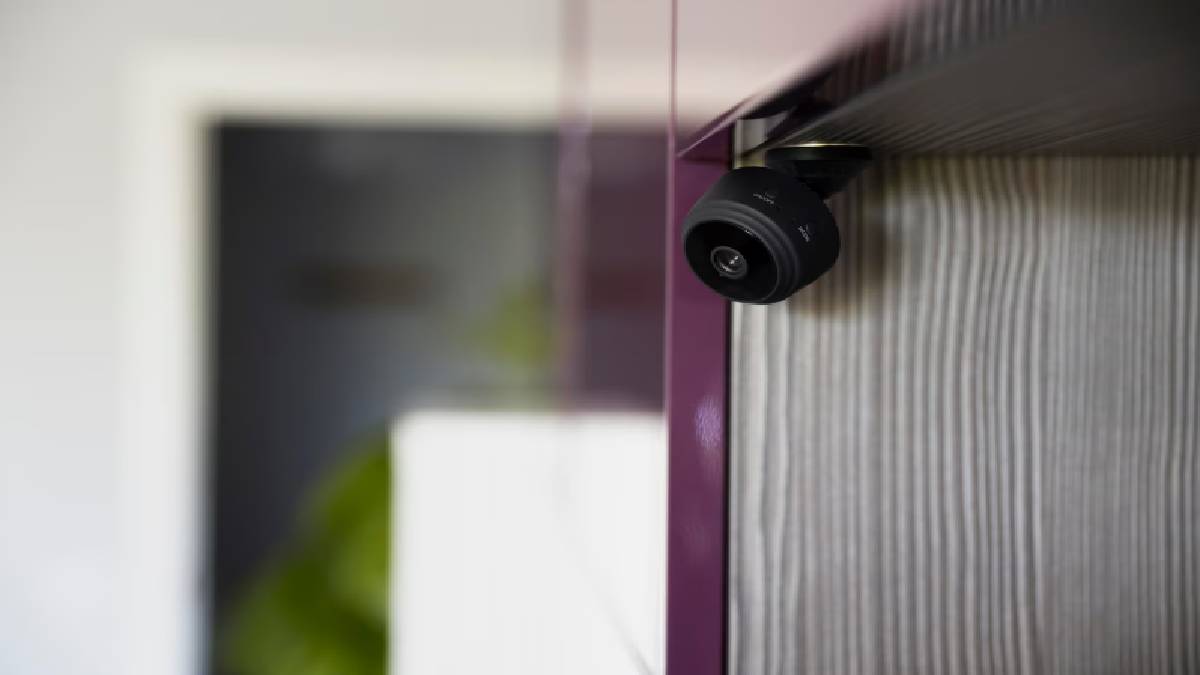
The couple arrived at a hotel expecting a typical stay. What they didn't know was that a concealed camera had been placed in their hotel room. On their own the two of them later discovered that their intimate moments were streamed online and without their knowledge. Not only was this shocking but it was absolutely terrifying as well. It was revealed that strangers had been watching them in what should have been the most private place.
This has not been an isolated occurrence. From different countries, various reports have warned that hidden cameras in hotels, rental apartments, and even public restrooms are becoming more and more routine. The technology is small, inexpensive and easy to disguise. These devices can look like smoke detectors, chargers or even alarm clocks. They’re nearly impossible for guests to see.
Privacy is a fundamental human right. People in hotels expect safety and confidentiality. Violations like this cause:
- Emotional harm: Those victims feel shame, fear, betrayed.
- Loss of trust: Guests may begin to hesitate to book hotels again, frightened of covert cameras.
- Legal repercussions: In most countries, it is a crime to broadcast private acts without consent.
- Social stigma: The social judgment of victims is often directed at them, even if they were innocent.
Cheap surveillance technology has made these crimes easier. For a few bucks, you can buy a small camera online. It can record in high definition and broadcast live footage. Criminals exploit the technology by breaking into and using these devices, and sometimes even to sell the videos online.
Hotels are also under pressure. Though lots of places do have security for lobbies and entrances, they tend to leave behind the danger of the interior of the rooms. When safety is not heavily enforced, personnel or unauthorized people can deploy hidden devices.
Many countries have laws in their governments against secret filming too. Police have investigated cases of hidden cameras in hotels in China, South Korea and elsewhere. Some offenders have been punished. Yet, enforcement is difficult. Thousands of hotels are open each day, and checking every single room is nearly impossible. (That is why laws cannot protect guests.)
Hotels need to be accountable, by monitoring, training employees and employing tech to find latent devices. Guests must also have knowledge of how to check rooms for suspicious objects.
For the couple in China, the finding was tragic. They found strangers intruding upon their personal life. They had to suffer emotional trauma. Victims of such crimes frequently have anxiety, depression and a fear of returning again. The damage is lasting, long after it has occurred; relationships and mental health can suffer for years to come.
Society must work together to end such violations:
- Hotels: Routine inspections, vigilance of staff and use of detection equipment.
- Guests: Knowledge of the dangers of hidden cameras, careful checking of rooms, reporting suspicious items.
- Governments: tougher laws and faster investigations and harsher penalties for offenders.
- Technology companies: Charged with regulating the sale of spy devices.
The incident in China should be a reminder that privacy cannot be assumed. Hotels need to make sure that guests are safe, not being watched. Hidden surveillance is not only a crime, it violates human dignity. Each traveler is entitled to have their trust and respect. The fear of hidden eyes is one that people continue to live with until it’s addressed by hotels, governments and society. Privacy is not a luxury; it is a right that needs to be ensured everywhere.