Bengaluru: In a bold move for public health and good dietary habits, Karnataka government is planning to ban junk food from school and hospital canteens. Healthy eating, and reducing ultra-processed foods, is one of the central pillars of the state’s current strategy to address the growing burden of lifestyle-related diseases among children and adults.
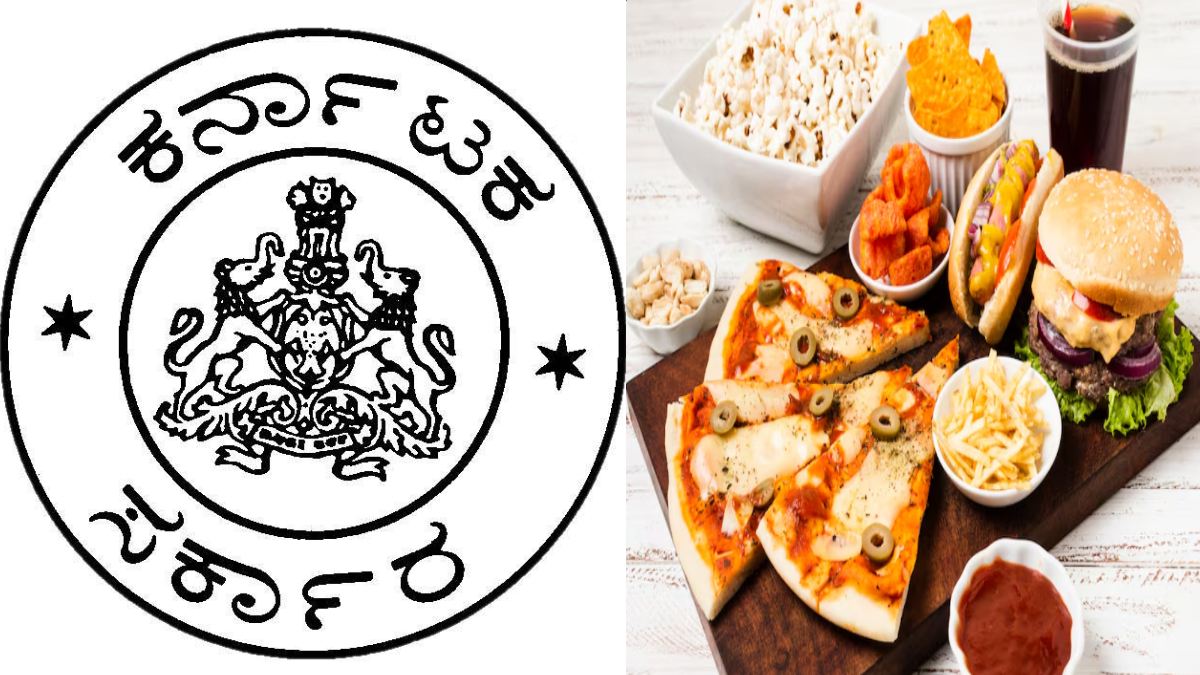
The proposal is in line with the increasing concern among health experts about the rise of food products loaded with sugar, salt, unhealthy fats and artificial additives. Junk food, or obesity, diabetes, hypertension, cardiovascular diseases, and other chronic health problems have been linked to junk food.
Schools and hospitals are institutions that should promote health and well-being, which makes them appropriate sites to prepare healthy food choices, said officials. If implemented, the policy would replace unhealthy snacks and sugary beverages with healthier alternatives such as fresh fruits, vegetables, whole grains, sprouts, milk-based products, old-fashioned snacks and fresh meals.
Children are expected to benefit most from the ban. Health officials have warned that unhealthy eating habits born in childhood are likely to continue into the adult world and are associated with obesity and non-communicable diseases. If school canteens offer healthy and nutritious food, then the government hopes for a healthier environment for children that supports physical growth and academic success.
Hospitals are also likely to be covered under the proposed restrictions. Health care professionals say they need to set a good example by serving food that aligns with nutritional recommendations rather than selling goods with little or no nutritional value. Patients, caregivers, hospital employees and visitors would have healthier meals, which would be part of a whole health system.

As well as national nutritional guidelines and recommendations from public health authorities on foods high in fat, salt and sugar, the initiative is expected to draw on these guidelines. There is likely to be a list of restricted food items and there will be nutritious alternatives that can be served in institutional canteens.
Nutritionists welcomed the idea, saying access to healthy food is a key factor in eating behaviour. Young people and adults buy whatever they can get in school canteens without having to change their behaviour. Refusing fried snacks, sugary drinks, confectionery and processed food makes people healthier without any behavioural change.
Researchers also point out that the nutrition of healthy diets positively affects concentration, improved immunity, better body weight, and overall development in general. But in hospitals, balanced meals aid recovery and promote healthy eating habits among patients and visitors alike.
The move comes at a time of increased awareness about lifestyle disorders in India. Obesity, type 2 diabetes, hypertension and cardiovascular diseases have increased steadily over the last decade in part because of sedentary lifestyles and processed foods. Public health campaigns have focused on preventive healthcare and nutrition in addition to physical activity.
Educational institutions in India have already done efforts to encourage healthy lifestyles through physical education programs, nutrition awareness programs and tobacco product restrictions. The junk food ban would strengthen these efforts by addressing dietary habits in school campuses.
The proposal has been supported by many health professionals and parents, but implementation can take careful planning. Food vendors in schools and health care facilities will need help to transition to healthier menus and for affordable and variety of foods for students, parents, staff and food service providers. Educators can also create awareness programs to educate students, parents, staff and food service providers on the benefits of balanced nutrition.
Public health experts think policy measures alone are insufficient. They believe education campaigns should be undertaken in conjunction with the ban to make home-based eating habits more healthy. Nutrition education, cooking demonstrations and awareness campaigns can make people realize that eating fresh, healthy food is a necessity while steering clear of processed products.
The proposed policy is also in line with the larger drive to develop preventive care and reduce long-term medical costs associated with lifestyle diseases. Healthy diets from an early age can be beneficial to public health and to the medical system over the long term.
Government officials are to consult with education authorities, health care providers, nutrition experts, food safety regulators and other stakeholders before the policy is finalized. For implementation, monitoring, and compliance, they will probably put in place detailed guidelines once they have received approval for the proposals.
If implemented, Karnataka would join a growing number of jurisdictions worldwide taking proactive steps to improve nutrition in educational and healthcare settings. The initiative highlights the state's commitment to creating healthier environments where nutritious food becomes easier and more accessible.
The government intends to promote a healthier society through balanced diets in schools and hospitals, so people can follow healthy lifestyles, raise public awareness about nutrition and make Karnataka’s schools and hospitals healthier and provide a better future for health benefits for us, through health care and nutrition education and health promotion in schools and hospitals.