The delayed arrival and uneven distribution of monsoon rains in Karnataka have significantly affected the sowing of tur (pigeon pea), one of the state’s major pulse crops.
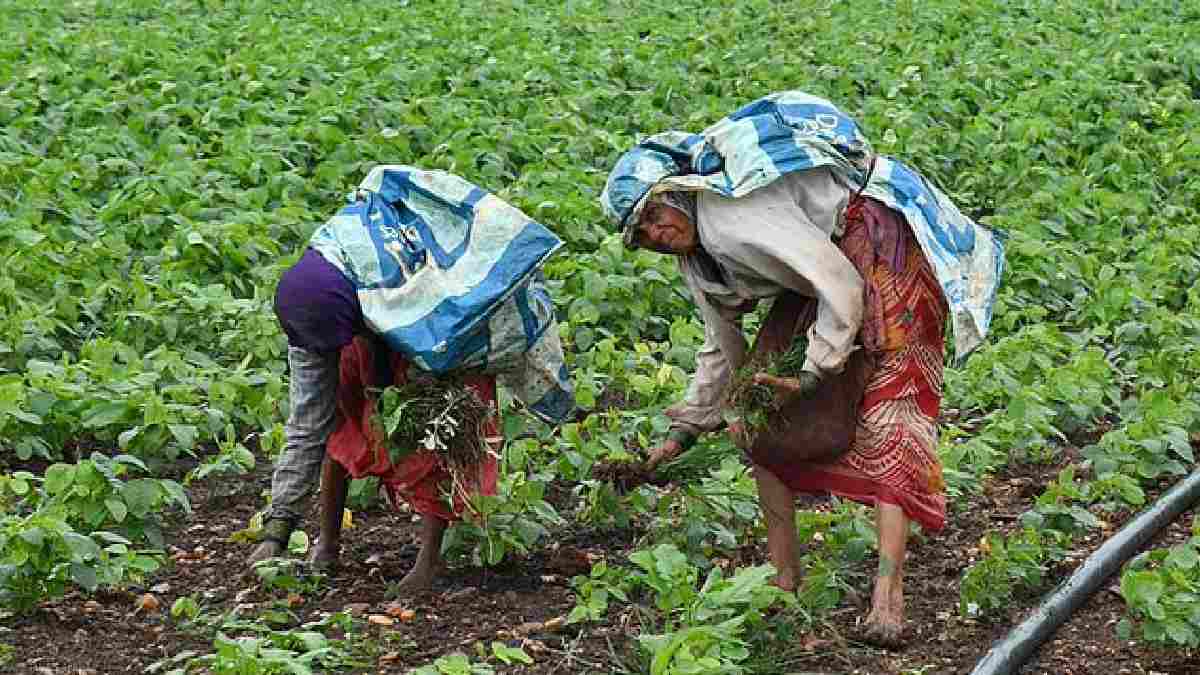
Agricultural experts and farmers are worried that reduced sowing could lead to lower production this season, which could increase the prices of tur dal in India in the months to come.
Tur is a major kharif crop grown in northern and central Karnataka. The crop depends heavily on timely rainfall during the sowing period usually between June and July.
But this year’s erratic monsoon has forced farmers to postpone planting, and some are considering switching to more moisture-sensitive crops.
Several regions that produce large-scale tur cultivation have had rainfall well below seasonal averages. Dry soil conditions have made field preparation difficult, which has made it difficult for farmers to start sowing operations on time.
If rain does not come soon, agricultural officials say, the sowing window for farmers could narrow even more and result in a loss in acreage.
Farmers say the uncertainty about rainfall has increased production risks. Many people are reluctant to invest in seeds and fertilizers without confidence that the crop will receive sufficient moisture because it is not certain how far they will get enough rainfall. Repeated dry spells after light showers have complicated farming, and many fields are still barren.
Agriculture experts think that delayed sowing can also affect crop yields even if rainfall improves later in the season. Tur requires a lot of moisture during its earliest growth stages, and if the farming sector has a shorter growing time, productivity will be lower.
If the output from Karnataka, one of the most pulse-producing states in India, is down, the supply of pulses might be constrained, and the market may be poorer.
India is already dependent on stable domestic pulse production to keep food inflation under control. A decline in tur production could lead to higher imports or higher wholesale prices for the consumer. At some point in time, consumers are likely to see higher retail prices for tur dal, a key ingredient in households across the country.
Market analysts note that pulse prices are highly weather-sensitive. Even the prospect of lower production is often a factor that affects wholesale markets well before harvest. Traders are closely monitoring rainfall forecasts over the next few weeks, as better precipitation could still allow farmers to get sowing done in some regions.
The state agriculture department is monitoring rainfall and crop progress closely. Farmers should follow district-specific advice and identify crop options based on the weather, the state agriculture department tells farmers, and the weather situation depending on crop yields.
Some experts also suggest better irrigation facilities and climate-resilient agriculture practices to avoid reliance on unpredictable monsoons.
The weeks ahead will be crucial for Karnataka's tur crop. If rainfall improves quickly, farmers could still recover part of their delayed sowing. Continued dry weather could lead to a significant drop in production and higher prices for dal later in the year as well.
Consumers, traders, and policymakers will be watching the monsoon closely, given that the tur crop is expected to be the key factor in food inflation and pulse availability in India.