Karnataka's major reservoirs are under close watch as authorities monitor water levels, inflows and outflows across different parts of the state. The water storage levels of important reservoirs, including Krishnaraja Sagar (KRS), Kabini, Hemavathi, Almatti and Basava Sagar, for October 1 are reported.
The Cauvery and Krishna river water levels have been fluctuating and levels are varying, and water is not always available to produce irrigation water, drinking water and hence to maintain the country's water supply.
The Krishnaraja Sagar (KRS) reservoir in Mandya district has a water level of 104.15 feet, with its maximum level of 124.80 feet. The reservoir took in 465 cusecs, and the outflow was 3,078 cusecs. The total water storage was 26.240 TMC. The KRS reservoir is one of the most closely monitored water bodies in southern Karnataka because of its importance to the Cauvery basin, and also irrigation and drinking water needs in many parts of the region.
The Kabini reservoir in Mysuru district's H.D. Kote taluk had a water level of 68.85 feet, with a maximum water level of 84 feet. About 1 mm of rainfall was reported to have occurred in the catchment area. The storage capacity of the reservoir was 11.12 TMC, and the water available for use was 1.31 TMC. The inflow into the reservoir was 870 cusecs. The total outflow was 1,325 cusecs, of which 525 cusecs were released into the river and 800 cusecs through the right bank canal, or RBC. No water was released through the left bank canal, or LBC, as per the figures.
The Hemavathi reservoir at Gorur in Hassan district has a water level of 2,892.05 feet with a maximum level of 2,922 feet. The maximum storage capacity is 37.103 TMC, and the total storage on October 1 was 15.205 TMC. The live storage, or water available for use, was reported at 10.833 TMC. The reservoir recorded an inflow of 988 cusecs. The data presented does not include a separate outflow figure for the Hemavathi reservoir.
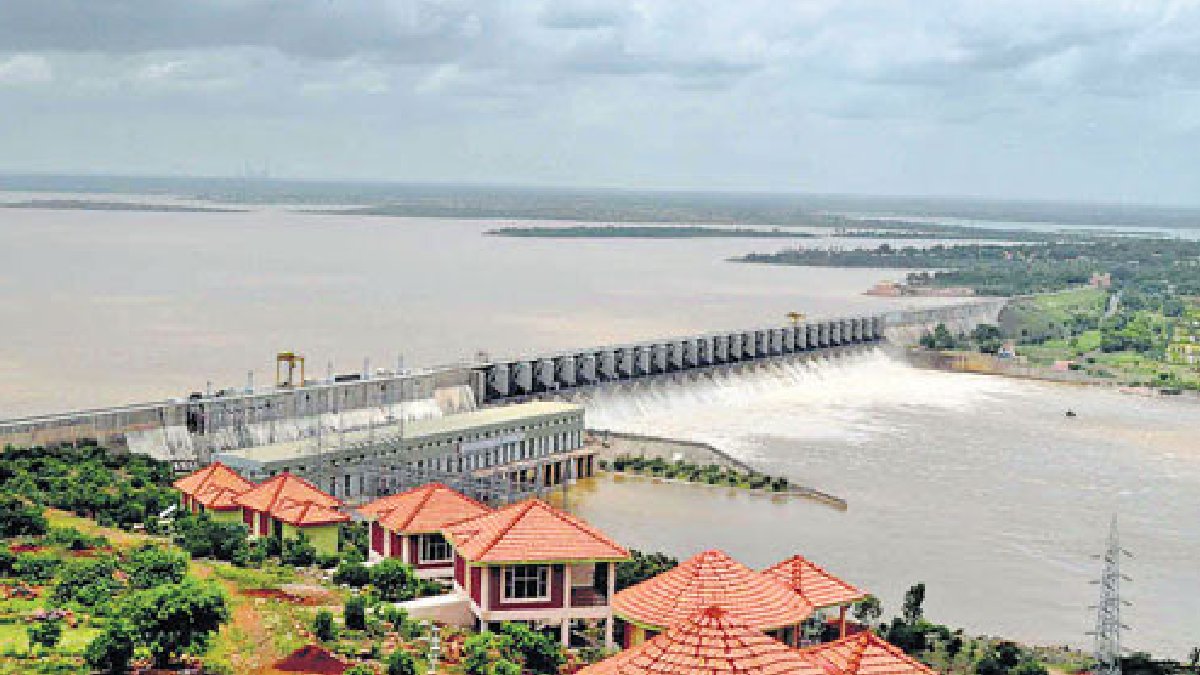
The Almatti Dam, officially known as the Lal Bahadur Shastri Sagar, in northern Karnataka is at a water level of 518.47 metres and a maximum water level of 519.60 metres. The reservoir had no inflow at the time of the update, and the outflow was 10,451 cusecs. The Almatti reservoir is part of the Krishna River system and is important for irrigation and water management in the northern part of Karnataka.
The Basava Sagar reservoir, also known as the Narayanapura reservoir in Yadgir district's Hunasagi taluk, had a water level of 491.26 metres, as compared to a maximum water level of 492.25 metres. The reservoir received an inflow of 8,863 cusecs, much higher than the inflows reported at several other reservoirs in the latest update. The outflow of the reservoir was 366 cusecs.
The latest figures show that water conditions differ considerably between Karnataka’s major reservoirs, depending on catchment rainfall, river inflows and ongoing releases for irrigation and other requirements. Water levels in a few reservoirs are indeed high, but the inflow and outflow are important factors in the storage levels moving in the next days.
The reservoir data is particularly relevant to farmers and communities that depend on irrigation releases. Increasing or decreasing inflow can quickly affect storage levels, while regulation of outflows is often necessary to meet downstream irrigation and river needs. For this reason, authorities and water managers continue to monitor these reservoirs closely as the state enters the post-monsoon period.
The October 1 update provides an important snapshot of Karnataka's water resources, with KRS, Kabini, Hemavathi, Almatti and Basava Sagar showing different levels of storage, inflow and discharge. Further changes will be dependent on rainfall in the catchment areas, river flows and decisions on releases of water for agriculture and other purposes.