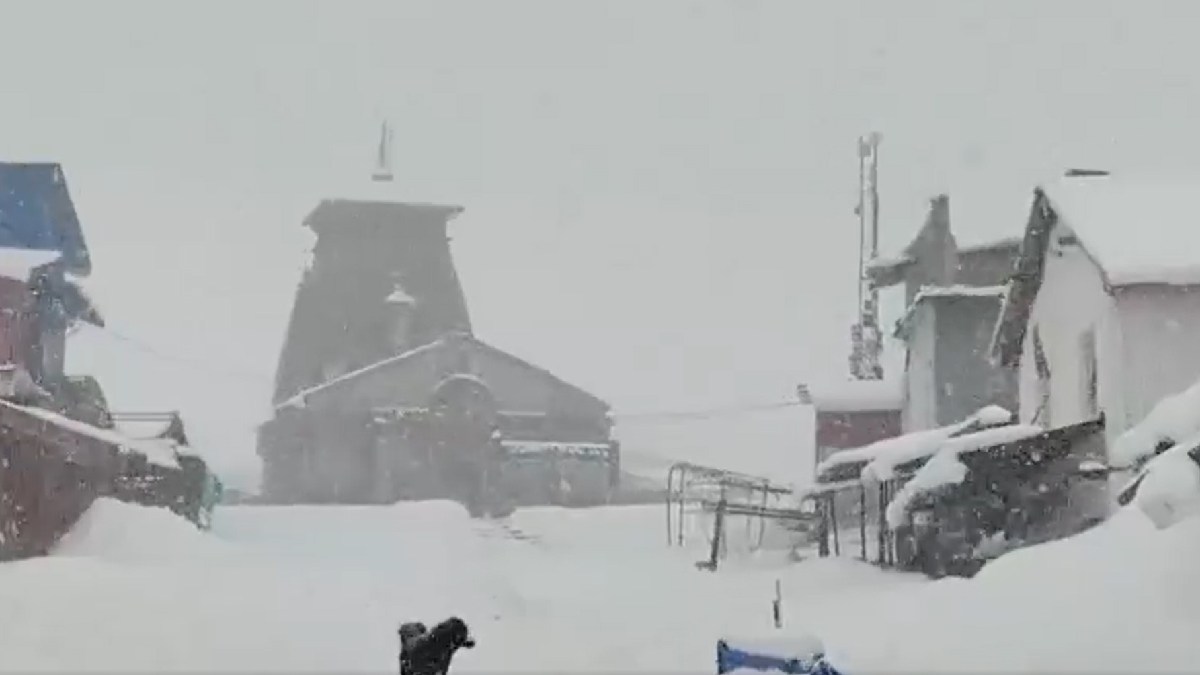
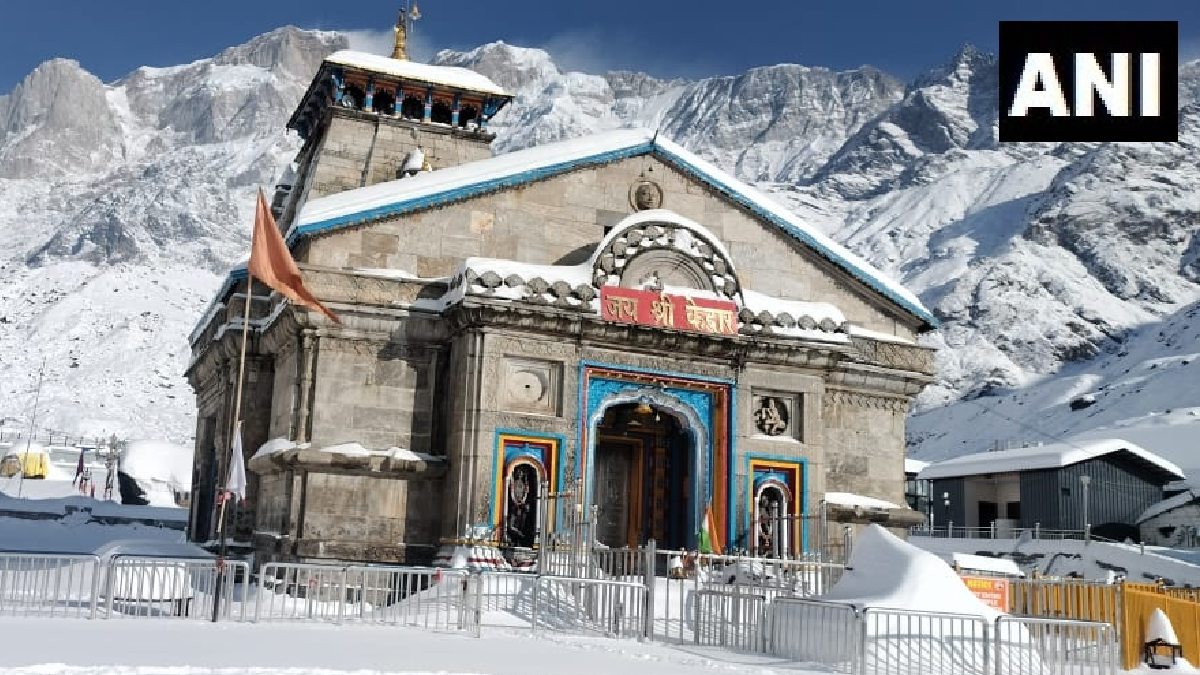
Heavy rains brought a massive landslide on the sacred Kedarnath Yatra path in Uttarakhand that left thousands of pilgrims trapped between Sonprayag and Gaurikund.
Heavy debris and rocks fell onto the main road in the Munkatiya region after a long period of rainfall. The landslide also blocked roads on one of the holiest corners of the pilgrimage track, and terrified many pilgrims en route to the revered Kedarnath Temple.
Officials alerted the State Disaster Response Force (SDRF) and were informed at 9:16 pm via the District Control Room in Rudraprayag about the landslide. Within minutes of the warning, SDRF teams based in Sonprayag arrived on scene with rescue materials quickly and successfully.
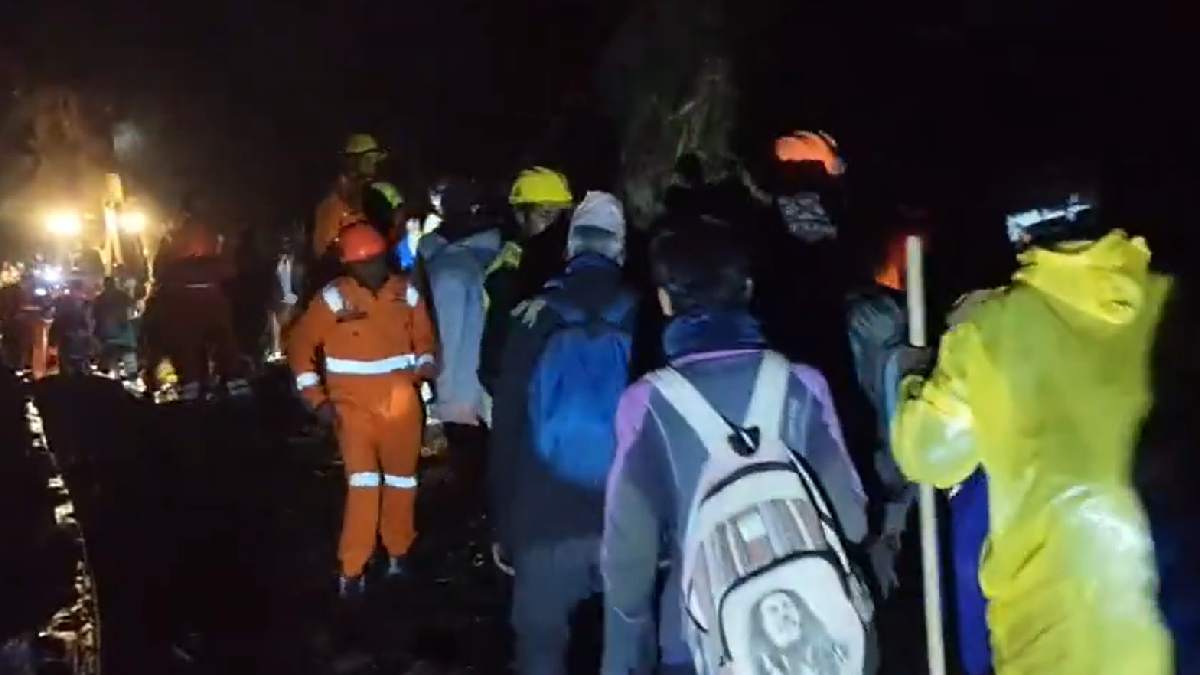
The rescue had been initiated by Sub-Inspector Ashish Dimri, who worked alongside the National Disaster Response Force (NDRF) team. Rescue personnel were able to rescue stranded pilgrims from the disaster area after a landslide occurred, even in the face of inclement weather throughout the day, heavy rain and darkness with little visibility.
More than 10,000 devotees were saved during only the overnight operation, officials said. On the trail they walked, the rescue workers tread slowly in injury-ridden and drenched areas of the environment where it was all too slippery and unstable. The SDRF and NDRF teams quickly reacted to the disaster and also played a role in averting a more devastating one, authorities said.

#WATCH | Sonprayag, Rudraprayag: SDRF Uttarakhand safely evacuates over 10,000 pilgrims amid landslide.
— ANI (@ANI) May 20, 2026
Late at night in May, a sudden landslide struck the Munkatiya area between Sonprayag and Gaurikund on the Shri Kedarnath Yatra route, blocking the main road. Due to the… pic.twitter.com/0p0moC9InU
Several emergency workers reportedly worked all night to keep order, helping devotees transition to a safer area. Heavy machinery and earth-moving equipment were used to pull off the rocks, mud, and debris on the blocked road after the evacuation was done. Restoration activity continued from the previous night, and vehicle movement was partially restored before early Wednesday morning, officials said.
The Kedarnath Yatra is one of India’s largest Hindu pilgrimages; there are lakhs of devotees participating annually. High as over 3,500 metres in the Garhwal Himalayas, Lord Shiva’s temple remains one of the most vulnerable parts of India during monsoon and climate disasters.
The Sonprayag-Gaurikund route is the main access route for pilgrims to the shrine. The site is prone to landslides and obstruction on many occasions, due to mountain ranges sloping steeply up and down, as well as torrential rains. Pilgrim authorities have warned them not to travel alone, to consult official weather reports and route guides.
Officials also cautioned pious devotees to use verified government sources with regard to travel information on the Yatra itself. Disaster management teams are watching parts of Uttarakhand closely that are forecast to experience more rain in the days ahead. Rebuilding is ongoing, and efforts are being made to protect pilgrims, officials said.
Once again, the event illustrates how vulnerable those pathways can become on pilgrimages in the Himalayas, and the need for disaster preparedness during the annual Char Dham Yatra season.