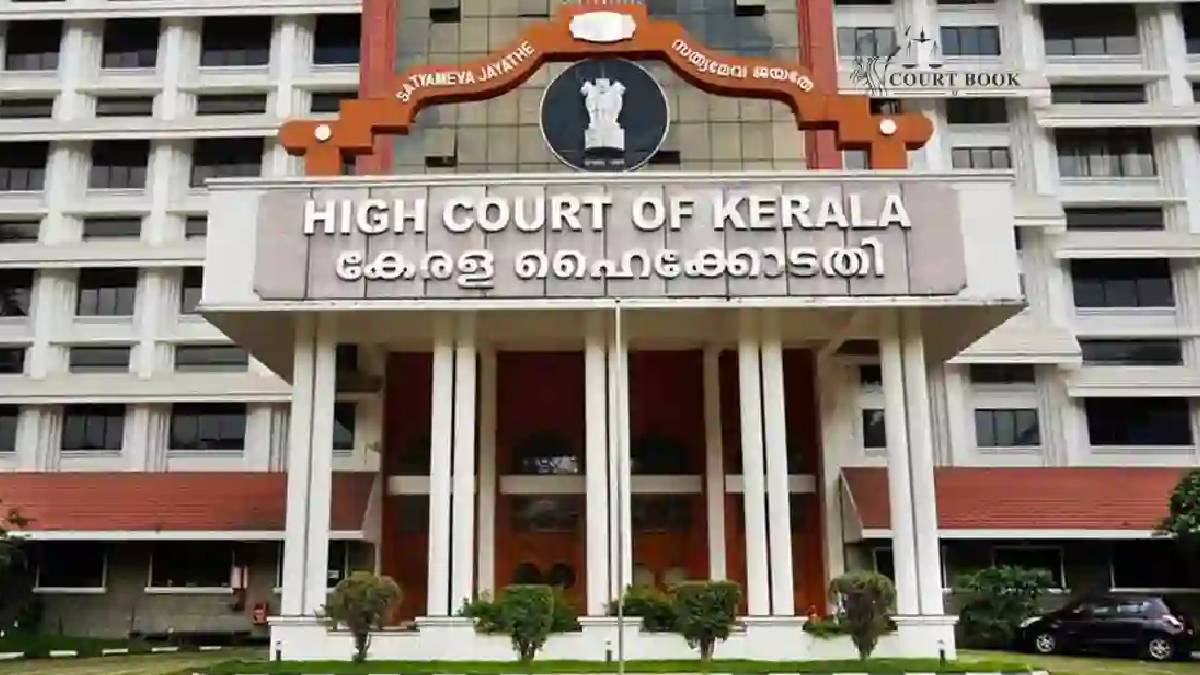
The Kerala High Court has reaffirmed that the Protection of Children from Sexual Offences (POCSO) Act applies when one party to a marriage is a minor, irrespective of whether the marriage is claimed to be valid under Muslim personal law.
The decision came as the court dismissed a petition by a 27-year-old man seeking to block criminal proceedings against him for the assault on his 17-year-old wife. They said that they married according to Islamic religious beliefs and sought protection from criminal proceedings on that basis.
Justice Jobin Sebastian rejected the argument and said the girl being a person below 18 made the sexual acts fall under the POCSO Act. The court said the statutory definition of a “child” under POCSO refers to a person below 18 years of age.
And even if the marriage was made according to Muslim religious rituals, it would not eliminate criminal liability if the girl was 17 at the time of the alleged marriage and subsequent sexual acts. So the validity of the marriage under personal law could not be used as a defence to avoid prosecution under POCSO.
In this case, the accused took the girl to his home and sexually assaulted her multiple times in October 2021. He denied the allegations and brought the case to the High Court to try to quash the case. The High Court, however, found that the allegations prima facie disclosed offences that warranted continuation of the criminal case.
The judgment also relates to the Supreme Court's earlier decision in Independent Thought v. Union of India, which held that sexual intercourse with a wife below 18 may be a crime of rape no matter what marital relationship they have. But the Kerala High Court said the accused could not invoke the marital exception under the rape provision to avoid prosecution in case the law was applicable.
The same is the case with the Kerala High Court. In Khaledur Rahman v. State of Kerala, the court held that Muslim marriages under personal law are not outside the scope of POCSO. It said that if one party to a marriage is a minor, POCSO provisions apply irrespective of whether the marriage is valid under personal law.
As the most recent ruling outlines, personal or customary laws cannot override a special criminal law protecting children from sexual crimes. The court has made clear that the existence or claimed validity of a marriage does not remove the statutory protection available to a person below 18.
At the same time, the High Court stressed that its observations in deciding the petition were limited to whether criminal proceedings should be quashed. The observations are not meant to prejudge the evidence or the outcome of the trial.
This is an important ruling in child protection and child marriage in India. It says: “The protection of POCSO is based on age and not on the religious identity of the parties or the form in which a marriage may have been solemnised.”
The Kerala High Court’s decision thus serves as another judicial affirmation that when allegations involve sexual activity with a person below 18, marriage cannot by itself be considered a shield against POCSO prosecution.