Kerala’s government has introduced auto-rickshaw drivers as ‘Toofan Warriors’ as part of the state’s nationwide anti-drug campaign. The initiative will convert one of the state’s largest and most visible public transport workers into community partners in a campaign to raise awareness about the dangers of narcotics, promote responsible civic participation, and help fight the problem of substance abuse and curb it.
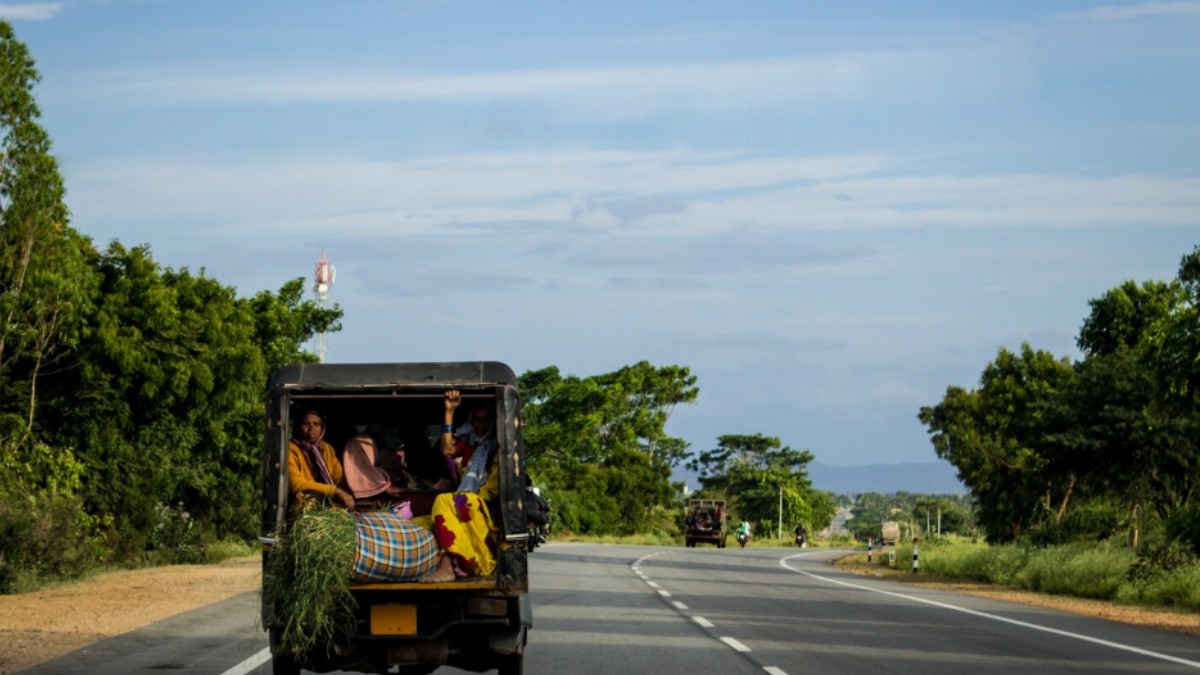
Auto-rickshaw drivers deal with thousands of commuters every day in the metro area, so they are also able to see developments from the street and interact with people of different walks of life every day. Recognizing this wide-ranging grassroots community, the government has decided to involve them in the anti-drug campaign and not only law enforcement and educational institutions.
Community involvement in the anti-drug campaign cannot be limited to law enforcement agencies; officials believe that it is critical for drug abuse prevention and social safety and a safer society as a whole to have community participation.
So on the ‘Toofan Warriors’ initiative, drivers will be educated in the negative effects of narcotic substances and methods used by drug traffickers, as well as the need to report suspicious activities to the police. The programme will also provide resources for drivers to know how well the treatment system to help people fight addiction is for them so they can communicate the support system that is available to people and families who have been affected.
Government representatives have said the effort is part of a larger strategy that emphasizes prevention, awareness, and community involvement at the same time as enforcement. Though police and excise departments are continuing to take a more aggressive approach to illegal drug networks, the long-term success of this program would demand citizens of every social strata to be involved in identifying risks and promoting healthy living, especially among the youth.

In many communities, auto-rickshaw drivers are trusted and frequently serve as the first point of contact with residents, students, tourists, and commuters. They know how to see unusual activities happening in their area and respond to them in a better way when they can help to raise the alarm in their neighbourhood and communicate concerns when needed. Drivers are not asked to work in the role of policing but rather are community volunteers who can contribute to awareness and vigilance within the framework of the law.
Students from schools and colleges will be more aware of the dangers of drugs and how to avoid drugs and alcohol. Schools in Kerala have been putting up awareness programmes, seminars, and community outreach programs to teach young people about substances and how to avoid them. The fact that auto-rickshaw drivers are involved is giving the message a wider reach, not just on campuses but in public places as well.
Public health experts and addiction prevention experts have advocated community-based approaches, noting public awareness campaigns are more effective when all sections of society are involved. Early intervention, public education, family support, and accessible rehabilitation services are all key components to reducing substance abuse. Community members who can recognize warning signs and advise individuals to seek professional help can often be the most effective in preventing addiction from worsening.
The initiative has also received positive responses from several auto-rickshaw associations who are willing to take part in the campaign. Many drivers said they have been interacting with students, office-goers, and families often and are keen to participate in programmes to promote public safety and social well-being. Through their involvement, they hope to promote awareness and build trust between citizens and public authorities.
Kerala has launched several campaigns in the last few years to tackle drug problems through tough enforcement and public education. The ‘Toofan Warriors’ programme is yet another manifestation of the state’s continued determination to develop a collaborative system of government departments, civil society organisations, educational institutions, transport workers, and local communities working for the same goal.
Officials have reiterated that combating drug abuse requires sustained commitment rather than isolated initiatives. They have encouraged citizens to remain alert, support awareness campaigns, and cooperate with authorities in reporting unlawful activities while ensuring that individuals battling addiction receive compassionate treatment and access to rehabilitation services.
As the programme spreads to other parts of the state, authorities hope that the participation of thousands of auto-rickshaw drivers in the programme will raise public awareness, promote community responsibility, and make our communities safer. With the transformation of everyday transport workers into ambassadors for social awareness, Kerala will show that the problem of drug abuse is not only the responsibility of law enforcement agencies but a collective matter that needs to be tackled by the whole community.