In Karnataka’s Koppal district, a 91-year-old woman Najamunnisa Begum was killed when she was attacked by a monkey. Residents of such a place are very concerned about the monkeys in their neighborhood and the dangers posed to the elderly and children.
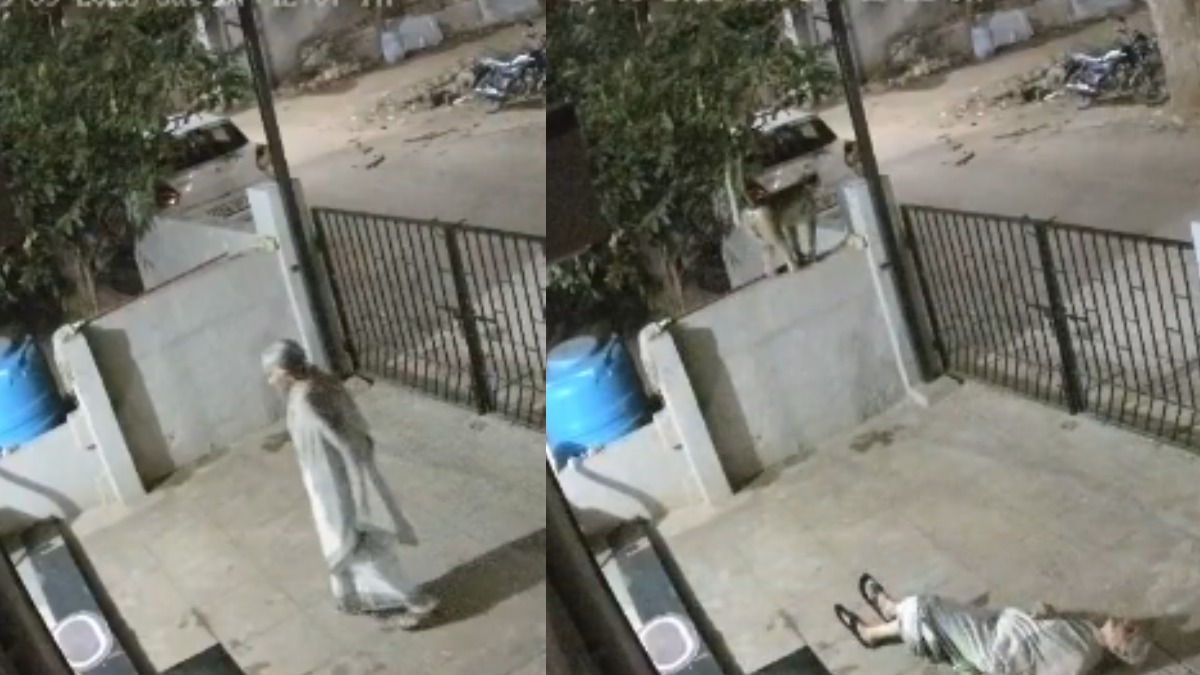
Najamunnisa came home and she was walking through her compound when she was attacked by a monkey and she fell to the ground. According to her family, the situation quickly escalated, and Najamunnisa’s daughter who witnessed the horror rushed to her mother’s aid. And then the daughter also found herself in the path of the aggressive animal and was also attacked.
Najamunnisa’s family got to the hospital immediately after the attack and she required medical treatment. She was taken to a private hospital in a neighborhood where medical personnel examined her and monitored her injuries. Najamunnisa’s health quickly deteriorated and she died the next day.
The incident was captured on surveillance footage from a CCTV camera placed outside the house. This video evidence will give us important insight into the monkey’s behavior before and during the attack, perhaps shedding light on the circumstances of this tragic event.
The footage has captured the attention of both officials and concerned residents who are trying to figure out how a wild animal could penetrate a residential area and pose such a threat to the elderly woman.
Monkey-related incidents are becoming more common in Karnataka, especially in areas where human settlements are built on forests, agricultural land or other natural habitats which are home to these animals. Monkeys often enter residential compounds in search of food, water or shelter, creating a dangerous situation. This situation is especially hazardous for elderly residents and young children who may not have the capacity to respond quickly to aggressive animals.
Najamunnisa’s family said she was just doing what she does every day when the monkey came and attacked her. The suddenness of the attack left her little time to be able to run away or defend herself. The daughter’s response to intervene is indicative of the instinctive response many people have when they see their loved one in danger but also displays the unpredictability of wildlife encounters.
After the tragic attack, the family’s immediate priority was to secure medical care for Najamunnisa. While she was taken to a private hospital, her condition worsened considerably, leading to her untimely death the next day, her grieving family members said.
The police will investigate the incident because a wild animal came into a residential property and hurt a person, the report says. The CCTV footage will help to piece together the sequence of events and decide if any action is required to prevent a similar incident in the future.
This incident has brought to the forefront the urgent need to manage interactions between wildlife and humans in areas where monkeys frequently encroach on residential neighborhoods. Local authorities and wildlife officials may need to assess monkey populations in the area and devise appropriate strategies to mitigate the risks associated with their presence. These would be educational campaigns for residents on how to safely handle encounters with wildlife, as well as potential interventions to discourage monkeys from entering human habitats.
Residents have been advised to be vigilant if monkeys are seen in their neighborhood. If the animals are attacked, chased, or intervened with in such a situation, humans will also be hurt, and the animals will also be injured. Local authorities or wildlife personnel might be needed to intervene in the ongoing wildlife contact.
Najamunnisa Begum’s death has left her family in grief with the loss of their beloved matriarch. Because her daughter was also attacked while trying to help her, it adds more tragedy to that already heartbreaking incident.
If investigators are further investigating the case, then the CCTV footage will be a key piece of evidence for the facts. Research may also reveal information about the monkey involved and its movements after the attack and any action taken in the area to avoid monkeys.
#Koppal 91-year-old woman dies after being knocked down by a langur. Deceased
— Amit Upadhye (@AmitSUpadhye) September 22, 2026
Najamunisa Begum (91) was standing in front of her house when a primate suddenly attacked her #watch @NewIndianXpress @XpressBengaluru @KannadaPrabha @aranya_kfd pic.twitter.com/dk6i6nBpv7
The Koppal incident has further underscored the need for better wildlife-human relations in residential areas. While monkeys are common in many parts of Karnataka, unexpected encounters can lead to disastrous consequences, as seen in the case of Najamunnisa Begum. This tragic event serves as a poignant reminder of the importance of timely responses and the implementation of appropriate wildlife management measures to safeguard communities from the potential dangers posed by animals that frequently enter residential neighborhoods.