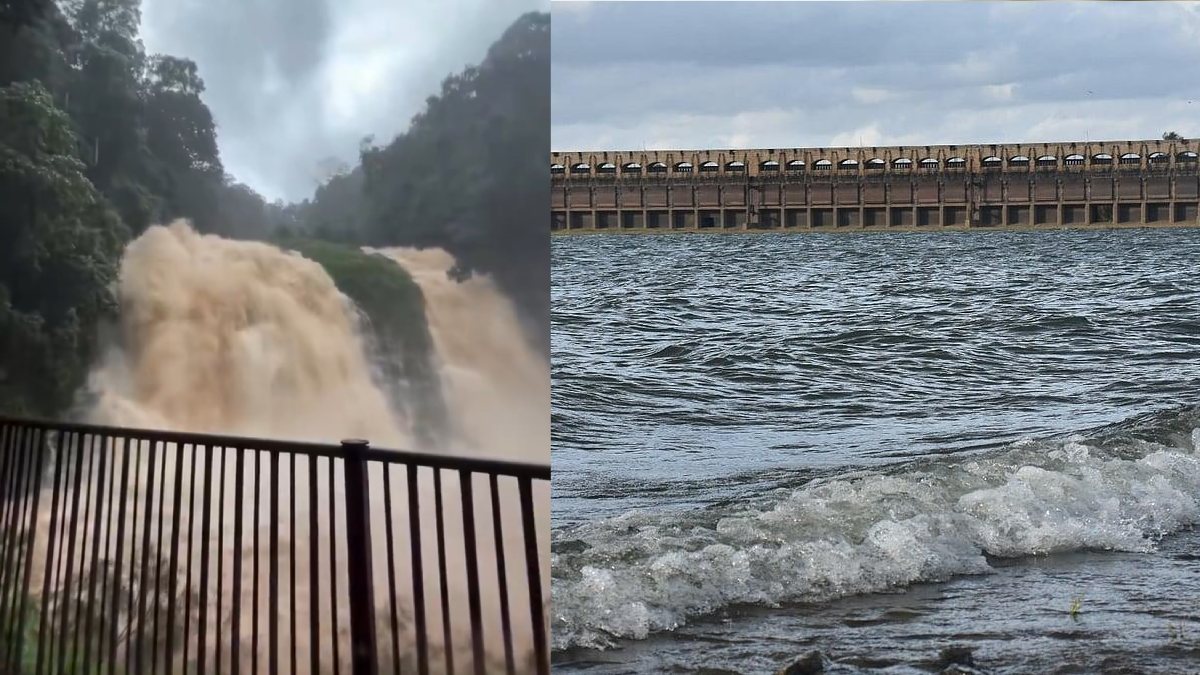
A fresh Cauvery water-sharing order has triggered concern among farmers and water authorities in Karnataka after the Cauvery Water Management Authority (CWMA) directed the state to release 12,000 cusecs of water daily to Tamil Nadu for the next 15 days.
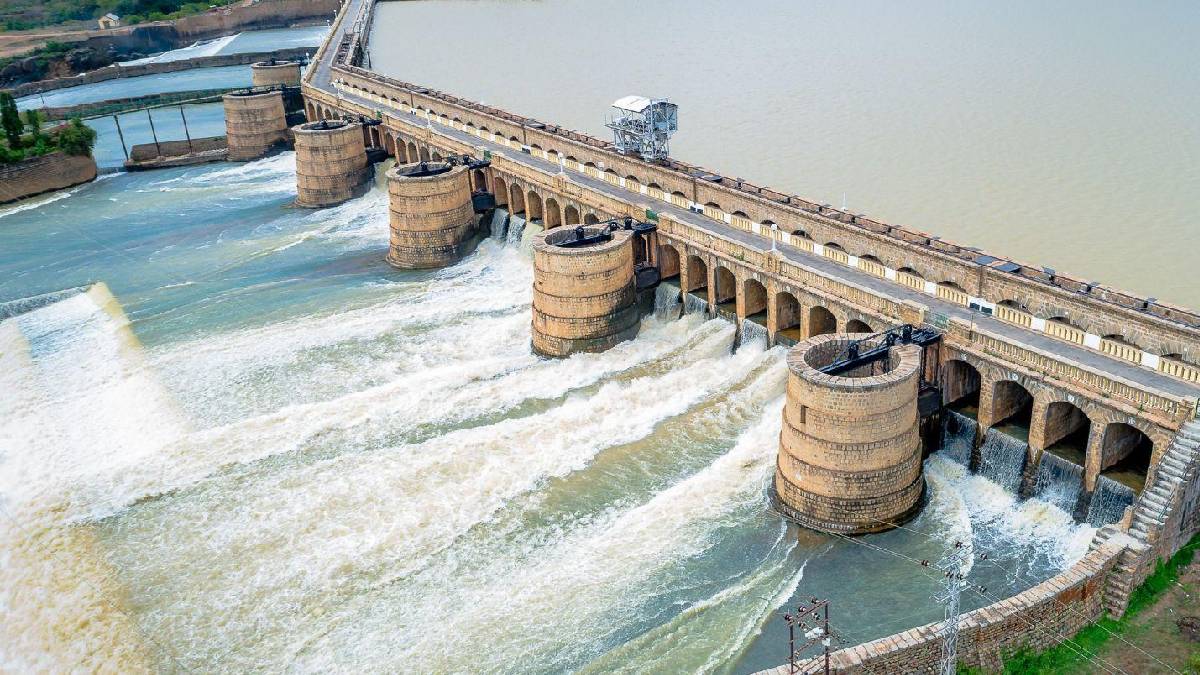
The order comes at a time when inflows into the Krishna Raja Sagara (KRS) reservoir have reportedly declined due to a decrease in rainfall across parts of the Cauvery basin.
The development has caused farmers worrying about farming operations in the Cauvery basin to get hit by panic, and farmers were hoping that increasing reservoir levels would allow agricultural activities and sowing operations to continue without severe water shortages.
According to the figures given above, the water level at the KRS reservoir is about 109.39 feet and has a maximum storage of 124.80 feet.
The order asking Karnataka to release water at the interstate border measurement point of Biligundlu from August 12 shall be in effect for 15 days.
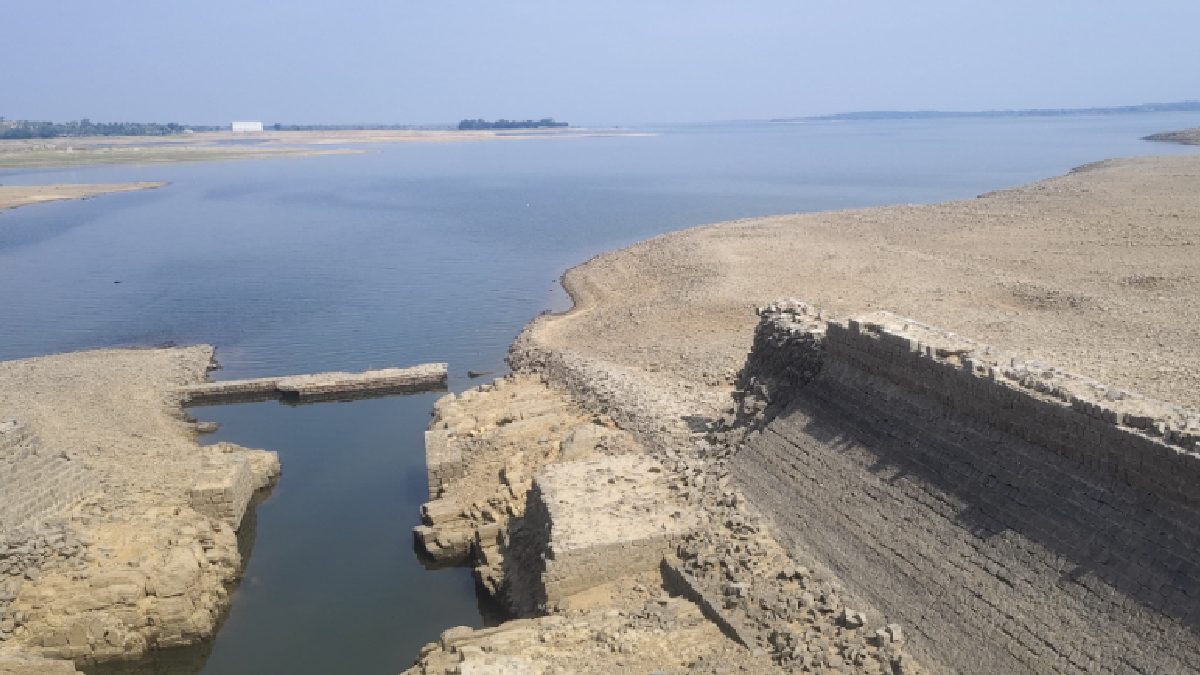
How much water could Karnataka release?
The CWMA has directed Karnataka to ensure a daily flow of 12,000 cusecs at Biligundlu.
Based on the calculation that about 11,574 cusecs sustained over 24 hours corresponds to one TMC of water, a daily release of 12,000 cusecs for 15 days would amount to about 15.5 TMC of water.
This calculation has aroused concern because the reservoir in KRS is said to hold around 31.113 TMC of water.
If 15.5 TMC was released over the specified period, much of the current storage could be used for the downstream requirement.
However, the actual impact on reservoir storage will also depend on continuing inflows, evaporation, rainfall, and releases for other requirements. Therefore, the simple calculation of subtracting the entire release from current storage does not necessarily represent the final reservoir position after 15 days.
Karnataka has raised concerns over drinking water and agriculture
Karnataka officials argued that rainfall in the Cauvery basin had weakened and inflows into the state’s reservoirs were decreasing, they said.
The state also stressed the necessity of preserving water for drinking purposes in Bengaluru and other urban areas, and that there should be sufficient supplies available for farmers during the Kharif agricultural season.
Karnataka either asked to withdraw the order or reduce the release requirement to around 9,000 cusecs.
The state’s position is that water availability should be assessed carefully because the same reservoir system is needed to meet drinking water needs and agricultural demand within Karnataka.
Tamil Nadu seeks greater water quantity
Tamil Nadu argued that it needed around 37 TMC of water, with what it described as a backlog.
The state also claimed that Karnataka had not fully complied with an earlier direction requiring a lower release of around 3,500 cusecs.
The CWMA considered the competing claims before deciding to retain the 12,000-cusec requirement.
CWMA chairman Soumitra Kumar Haldar said Karnataka was in a position to comply with the order, citing the combined storage in four reservoirs.
According to the argument presented at the meeting, the four reservoirs together held about 77 TMC of water, leading the authority to conclude that Karnataka could meet the prescribed release.
Why Farmers Are Worried
The order has caused concern among farmers in Mandya and other parts of the Cauvery basin.
Farmers had hoped that monsoon rains and higher reservoir levels would provide enough water for cultivation. The resulting decrease in inflows and a significant upstream release has now raised questions about the water availability later on in the agricultural season.
The timing of water releases to farmers is important. Storage is crucial for early cultivation and for irrigation when rainfall is irregular, so that water is stored in sufficient quantities to enable irrigation.
Any reduction in reservoir storage would lead to uncertainty for crop yields that are dependent on irrigation.
Drinking water requirement adds to pressure
Karnataka also faces the challenge of ensuring drinking water supplies to Bengaluru and other towns and cities dependent on the Cauvery system.
This makes the water-sharing dispute especially sensitive. The state has to balance interstate water obligations with the drinking water requirements of its own population and the irrigation needs of farmers.
The situation is more difficult when reservoir inflows decline
In reality, although the KRS has a large water storage compared with minimum operating levels, authorities need to consider future rainfall and inflows before deciding how much water can be released.
Talks between the government and the Cauvery Commission will return to court.
The latest CWMA decision could once again deepen the Cauvery water dispute between Karnataka and Tamil Nadu.
Karnataka may go to the Supreme Court or look at other legal avenues if the state decides that the prescribed release threatens its drinking water and agricultural requirements.
The coming days will therefore be closely watched by farmers, water authorities, and residents of Bengaluru and the Cauvery basin.
The main question is whether the monsoon will bring enough additional rainfall to replenish Karnataka’s reservoirs while the state still needs to meet the downstream release requirement.
For now, the CWMA's recommendation to release 12,000 cusecs per day for 15 days has placed Karnataka in a difficult position. It will now have to reconcile its interstate water-sharing obligations with the needs of its farmers and millions of residents dependent on the Cauvery for drinking water.