An alleged corruption case stood out in Karnataka’s Tumakuru district when a farmer publicly accused a village accountant of soliciting a bribe to review the records of his land in the village. The case, which took place during a Janaspandana (public grievance) session at Kunigal, could point the finger of corruption at the grassroots level.
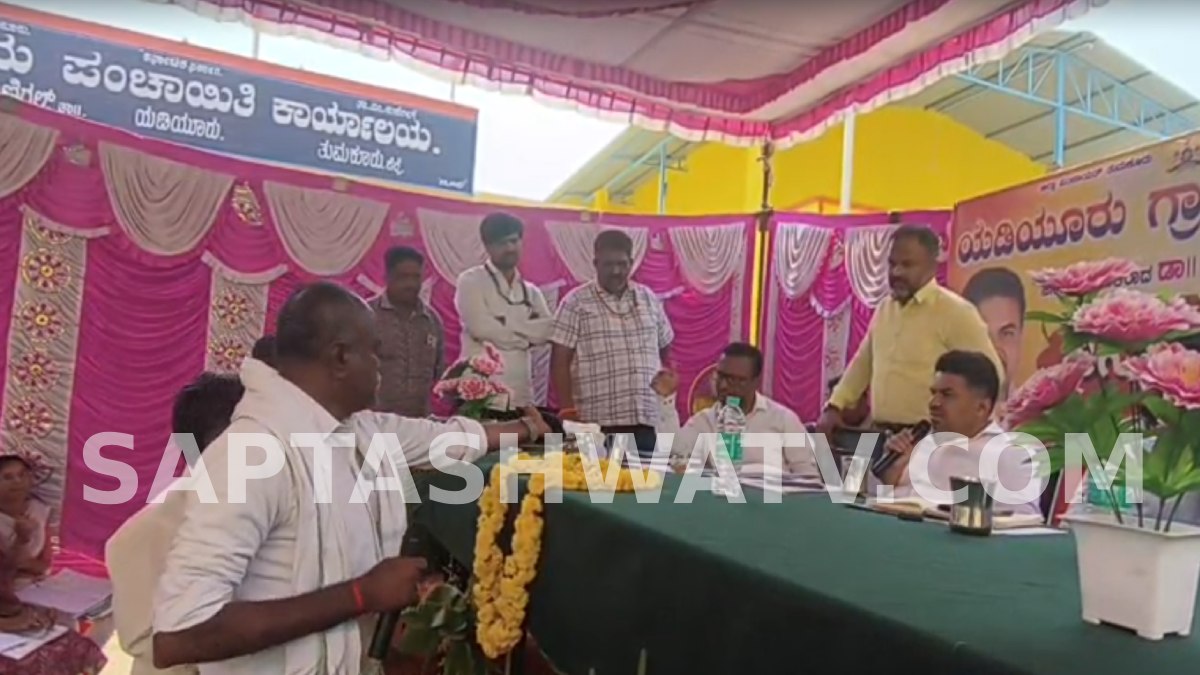
Standing in the face of the MLA nearby, Dr H.D. Ranganath, the farmer was described as annoyed with delays, and alleged demands for illegal remuneration. The farmer had sought the help of a village accountant to resolve his “Pauti Khata” (land ownership record), at which time he was instructed to pay a bribe in order to complete the work.
But by daring to stand up to the government in that way, the farmer also supported the statements with evidence. That was in relation to documents, such as possibly recorded evidence, presented to the MLA for the grievance redressal process. His decision had the attention of members of the meeting, along with other attendees.
The Janaspandana program allows citizens to speak directly to their local elected officials and other officials in government regarding the issues they are concerned about. But they are also a testament to the persistence of corruption, even in an institution whose culture was designed to be transparent and accountable.
A farmer, who reported trying to go to the office repeatedly, but was not responded to as there was no bribe for non-payment. Small farmers, he added, bear those burdens financially and rarely fulfil them alone. MLA Dr H.D. Ranganath penned a complaint and assured the farmer that, upon conducting a preliminary inquiry, actions would be taken.
He ordered officials, he said, to verify the claims and make sure the farmer's land record work has finished as soon as possible. But this case renewed concerns about corruption in the revenue department, particularly in the areas surrounding land ownership. For the farmers, they also have to maintain the land they own, and they usually need the land to obtain loans, subsidies, and aid from the government to receive money.
And any delay or simply bad practice with regard to this can have catastrophic ramifications for the rural livelihoods of millions more. This is an investigation that the governing mechanism will likely initiate, and if it is proven to be the case, the relevant official will be treated seriously. Then, there were new anti-corruption measures and digitisation of land records, although these cases indicate challenges of implementation.
The episode shows that there is a need for public grievance venues, such as Janaspandana, where the people can approach the authorities to discuss and speak out against malfeasance. It also signals a pressing need for increased scrutiny and accountability regarding local officials.
Thus, there is always corruption from the ground up, and corruption at the level of the grassroots is the problem of the country as a whole, since it is affecting the public trust in the government in terms of fairness with respect to people's fair justice, especially those who were hit hardest, like farmers.