In a dramatic yet strong message, India’s Supreme Court has conveyed the message that civic authorities could pay hefty fines on the line if a child dies from a stray dog bite. At a time of increasing public concern about the surge in stray dog attacks, this comment comes on the heels of widespread complaints about such stories. The court statement takes issue with the seriousness of the matter and urges local governments and municipal authorities to act immediately.

Stray dogs have become the new and frightening scourge to many cities across India, or many towns. Stray dogs have been seen biting and chasing around the town; children, elderly people and some adults have died in recent years from the situation. The problem is exacerbated in places where trash isn’t properly overseen, and food waste draws in hordes of dogs. Many local authorities have not effectively implemented control measures despite repeated complaints from residents.
As the Supreme Court recently clarified in a hearing, civic authorities cannot afford to look away or even, at least, avoid their duty to help protect citizens. The court said if a child is killed by a dog bite, the authorities involved could be brought to justice and face serious fines. This warning is supposed to prompt local officials to take it seriously and act before more people die. It’s not merely a matter of punishment, it's a question of prevention, of accountability.
Stray dogs require humanely balanced practices while at the same time maintaining control over stray dogs. So they need sterilization and vaccination programs to contain that problem of controlling the dog population and prevent dog diseases like rabies. Waste management practices like proper disposal of waste are also needed to discourage food which pulls more dogs to stray dogs and reduce the sources of dog food that draw animals from the street. Furthermore, shelters and adoptive centers will help look after unwanted animals abandoned, while public education campaigns can disseminate information on safety and responsible pet ownership to the general population and public opinion and support programs and educational programs.
The statements the Supreme Court said sparked discussion across social media and media outlets has had numerous people supporting the decision, making the response: it’s time for action to be taken, says Wanda Smith, founder and CEO of The Post, who owns one of our local government’s shelters. Others fret about how fines will be imposed, and whether results are going to be real. Animal rights campaigners are also joining the fray, saying that stray dogs are often victims of neglect and abandonment, and that solutions need to be as charitable as effective.
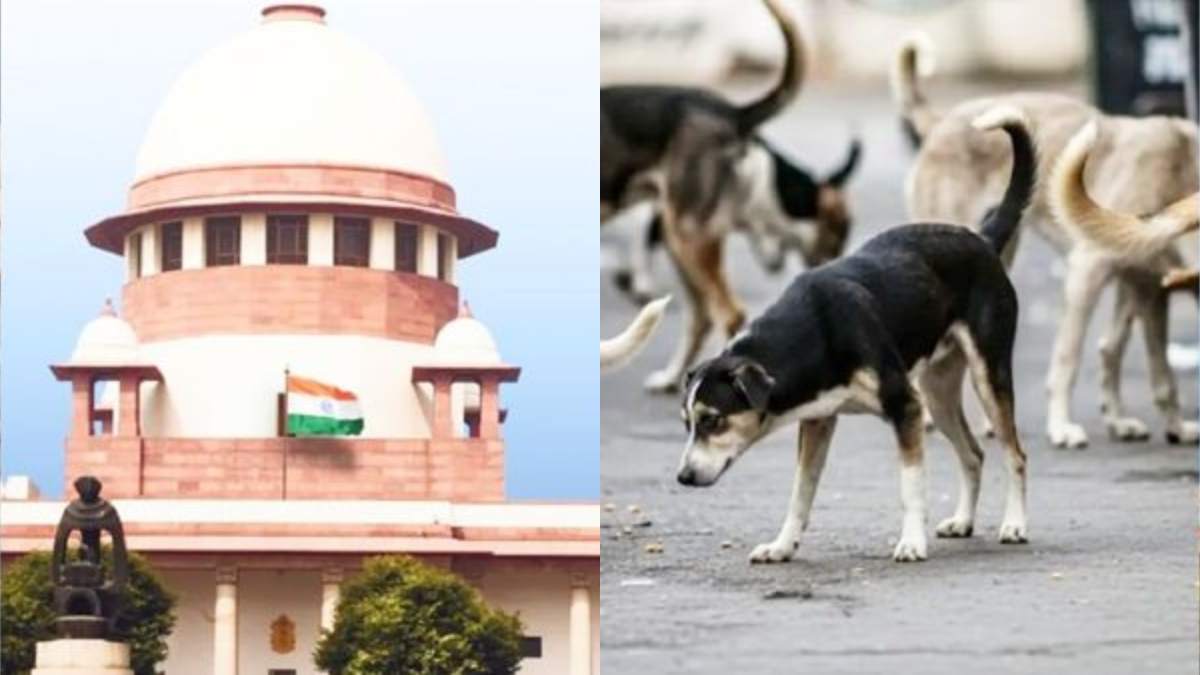
The Supreme Court has served to make us aware that there is often a dire need for the action of civic bodies in India. Stray dog attacks are not mere nuisance, they create a massive public safety problem. In menacing steep penalties, the court has sent a signal loud and clear: Help protect their citizens or they will be punished. And it’s time for local authorities to act, align planning and work with communities and animal welfare organizations to create sustainable solutions.
Most importantly, the Supreme Court’s statement serves not only a legal warning but a challenge to civic responsibility. Each child deserves to be safe in their neighborhood and each citizen deserves immunity from needless harm. Stray dog attacks no matter how dangerous it is must be handled with urgency, compassion, and collaboration. Only then can we have safer and more humane cities for humans and animals alike.