Health authorities in Karnataka have expressed concern over the sharp rise in leptospirosis infections across the state in the last five years. Official data shows that more than 16,000 cases have been reported, with around 30 deaths recorded, highlighting a growing public health challenge.
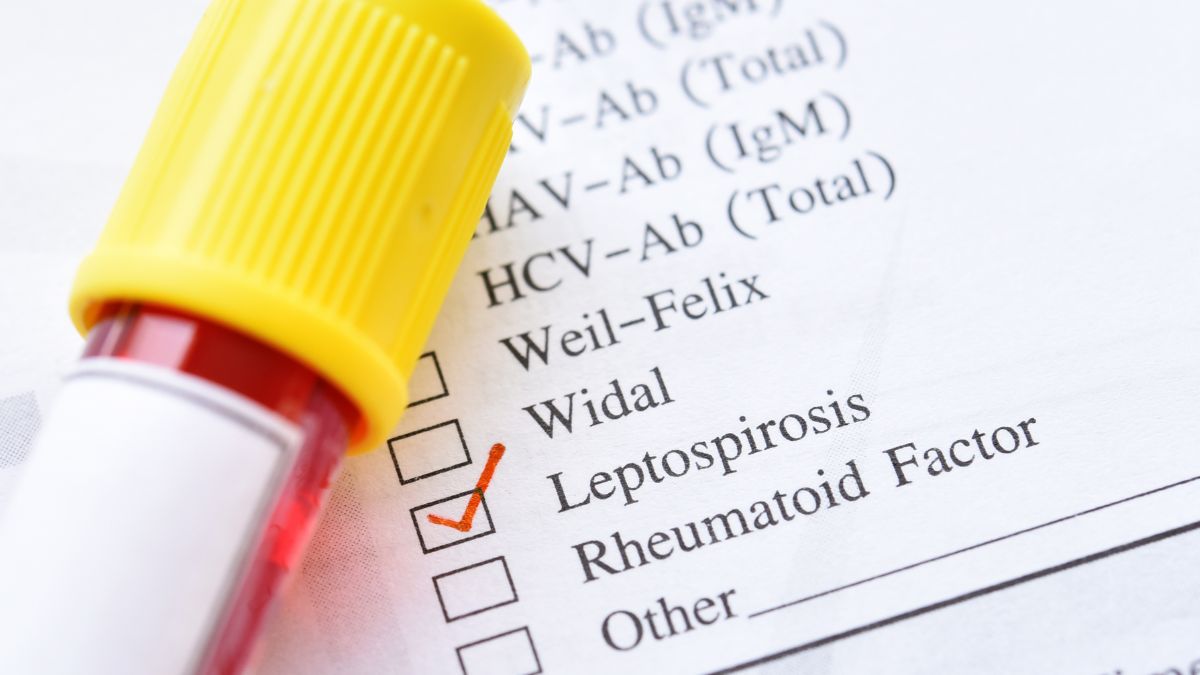
The disease, known as Leptospirosis, is a zoonotic bacterial infection that spreads through contact with water, soil, or food contaminated with the urine of infected animals, particularly rodents.
Cases Increasing Every Year
Health department statistics indicate a steady rise in infections over the past few years.
- 2020: 544 cases
- 2021: 906 cases
- 2022: 3,174 cases
- 2023: 5,404 cases
- 2024: 5,088 cases
- 2025: 6,525 cases
In 2025 alone, 19 deaths were reported due to complications caused by the infection. The consistent increase has raised concerns among medical experts and public health officials.
What Is Leptospirosis?
Leptospirosis is a bacterial disease caused by Leptospira bacteria. It spreads when people come into contact with contaminated water, soil, or animal urine, often through cuts or wounds on the skin. The infection can also occur through the eyes, nose, or mouth.

Doctors warn that the disease can sometimes be mistaken for dengue or malaria because the initial symptoms are similar. Symptoms usually appear between 2 and 14 days after infection.
Early Symptoms
Common early symptoms include:
- Fever
- Severe headache
- Body pain, especially in the legs and lower back
- Chills or shivering
- Vomiting or nausea
- Redness in the eyes
- Weakness and fatigue
- Abdominal pain
Severe Complications
If not treated in time, leptospirosis can lead to serious health complications such as:
- Kidney failure
- Liver damage causing jaundice
- Breathing difficulties or lung problems
- Brain infection (meningitis)
- Internal bleeding
Medical experts warn that delayed treatment can make the disease life-threatening.
Diagnosis and Testing
Doctors say laboratory tests are essential for confirming the infection. Common diagnostic methods include:
- IgM ELISA test – used for early screening
- Microscopic Agglutination Test (MAT) – considered the primary confirmatory test, conducted in specialized laboratories
- PCR test – helps detect bacterial DNA during the early stage of infection
Preventive Measures
Health experts recommend several precautions to reduce the risk of infection:
- Avoid walking barefoot in floodwater or contaminated water
- Wear boots and gloves during agricultural work or waste handling
- Wash hands and feet thoroughly after contact with dirty water
- Keep wounds or cuts properly covered
- Maintain clean surroundings and control rodent populations
- Drink only safe and clean water
- Seek medical attention immediately if fever develops after exposure to contaminated water
Public Health Concern
The rising number of cases has prompted health authorities to emphasize awareness, sanitation, and early diagnosis to prevent further spread. Experts say timely treatment and preventive measures can significantly reduce the risk of severe complications.