Iran’s national currency, the Iranian rial, has plunged to a historic low of around 1.8 million per US dollar, marking one of the sharpest declines in recent years and raising serious concerns about the country’s economic stability.
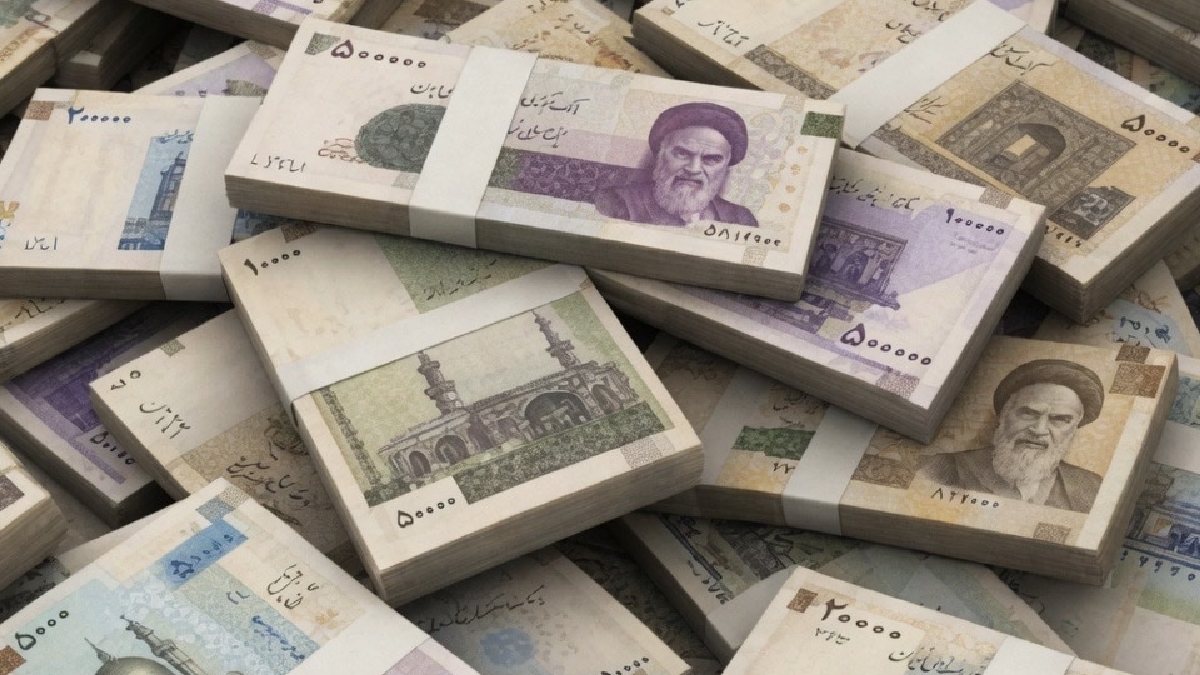
According to recent reports, the rial weakened rapidly over just a few days, falling to approximately 1,810,000 per dollar in open-market trading. This sudden drop has alarmed economists and policymakers, as it reflects deep-rooted structural issues in Iran’s economy.
What Triggered the Crash?
The sharp depreciation is being attributed to a combination of geopolitical tensions, economic sanctions, and disruptions to Iran’s oil exports. The ongoing conflict involving Iran, along with a fragile ceasefire situation, has intensified economic pressure on the country.
A key factor has been restrictions on oil shipments, which are a major source of foreign currency for Iran. Reduced export revenues have led to a shortage of dollars in the market, increasing demand for foreign currencies and weakening the rial further.
Inflation and Rising Costs
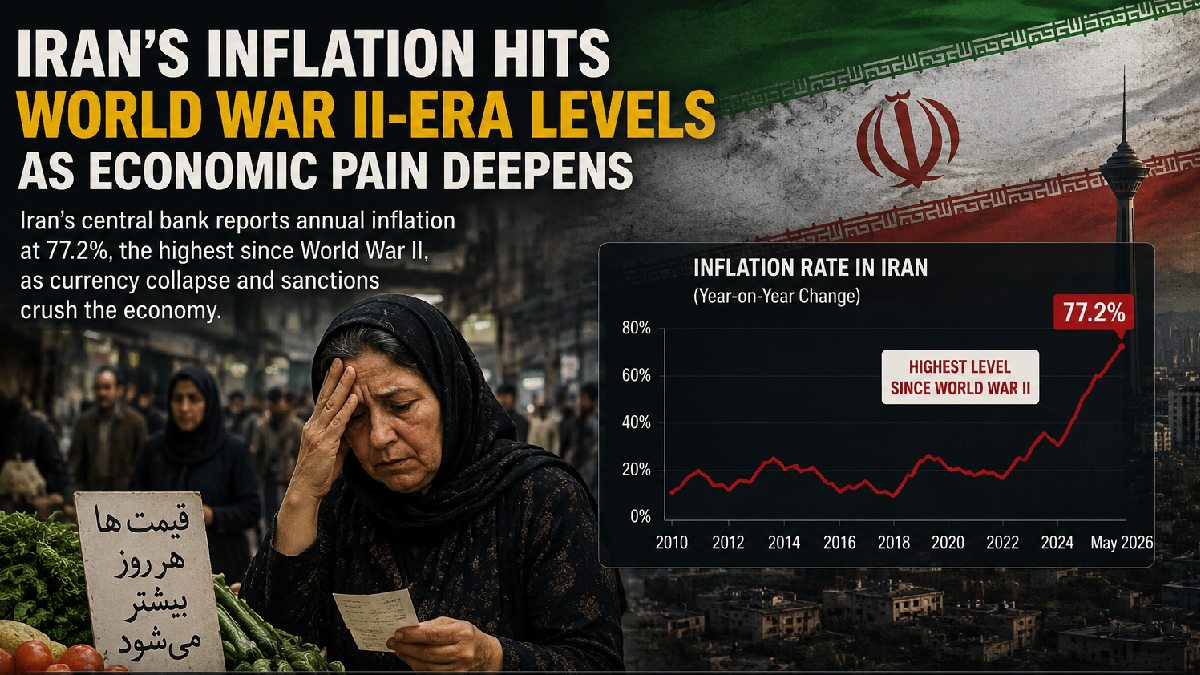
The falling value of the rial is expected to significantly worsen inflation. Since many essential goods, including food, medicine, and electronics, are imported and priced in dollars, the currency crash directly impacts everyday living costs.

Experts warn that this could lead to a sharp rise in prices, making necessities increasingly unaffordable for ordinary citizens. Inflation has already been a persistent problem in Iran, and the current situation may deepen economic hardship.
Long-Term Economic Challenges
Iran’s economy has been under strain for years due to international sanctions, high inflation, and limited access to global financial markets. The widening gap between official and open-market exchange rates has also contributed to instability.
The latest currency crash follows earlier declines, including a sharp fall earlier this year that triggered public protests and economic unrest. The continued depreciation reflects long-term structural weaknesses rather than a short-term fluctuation.
Broader Impact on Society
The weakening currency is not just an economic issue; it has broader social implications. Rising unemployment, reduced purchasing power, and increased cost of living are putting pressure on households and businesses alike.
Industries reliant on imports are facing higher costs, while wages are struggling to keep pace with inflation. This imbalance is expected to widen inequality and increase dissatisfaction among citizens.
Global Implications
The crisis in Iran is also influencing global markets, particularly energy prices. Rising geopolitical tensions have pushed oil prices higher, affecting economies worldwide, especially those dependent on imports.