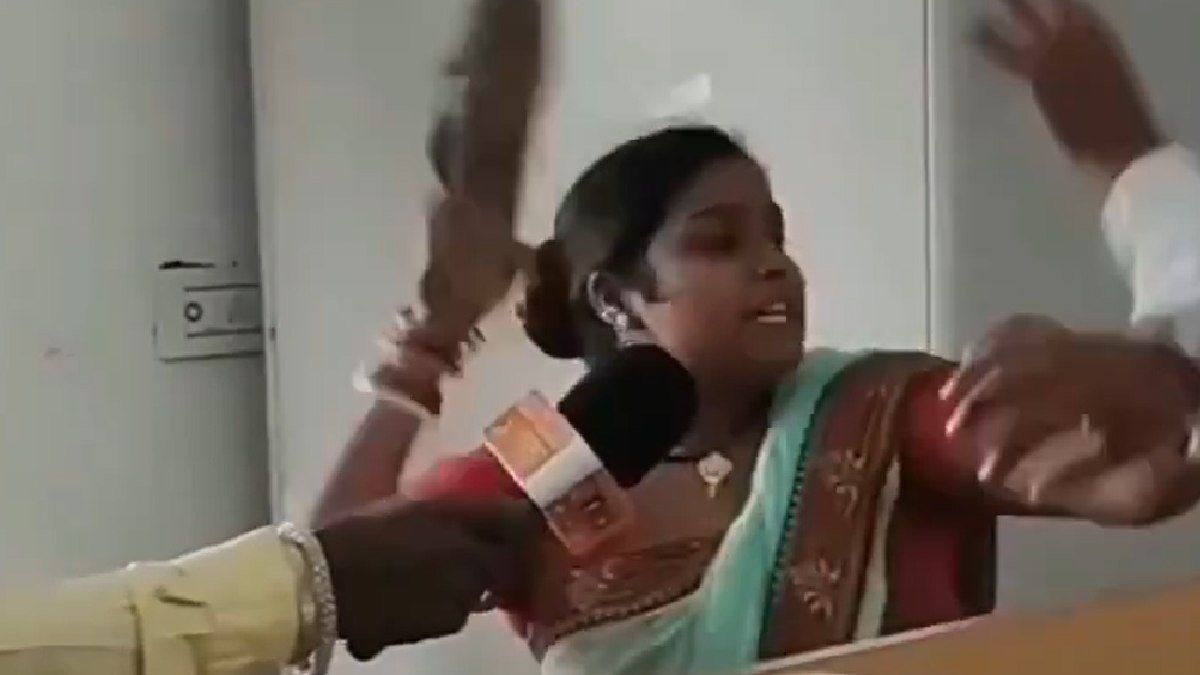
A loan recovery agent in a strange case has been caught in between criminal harassment and unintended “matrimonial” accountability. A standard recovery visit was also the point where the agent allegedly touched the cheek of a female borrower. And while the act itself was a criminal act and might constitute harassment under Indian law, the woman’s ultimatum has turned a legal dispute into a viral social debate. She has declared that since the agent took the liberty of such an intimate physical gesture, he is now the “responsibility of a husband” and needs to pay off the rest of her loan installments.
The actions of the agent are legally regulated by the RBI's Fair Practices Code for Lenders. Recovery agents are not allowed to threaten to hurt, abuse or physically touch an applicant. Touching a borrower, especially in an unsolicited or unfriendly manner, could result in a criminal offence under Section 354 (outraging the modesty of a woman) or Section 354A (sexual harassment) of the Bharatiya Nyaya Sanhita (formerly the IPC). A police complaint, the suspension of the recovery agent, and any legal liability or penalty for any recovery agency or bank will likely follow.
Loan recovery agent allegedly touched the cheek of the woman. Now the woman is saying that he will have to pay the loan installments because touching the cheek means that he will have to take the responsibility of being her husband now. Fair Enough!pic.twitter.com/REq3elam39
— NCMIndia Council For Men Affairs (@NCMIndiaa) April 2, 2026
But the borrower’s “Fair Enough” logic that physical violation is connected to lifelong financial guardianship is a satirical but biting critique of how recovery agents overstep boundaries. In demanding he pay her EMIs as a “husband” would, she is illustrating the invasive nature of the encounter.
Many societies’ values are based on touching a woman’s face as a sign of intimacy or ownership. By changing the script, the borrower is essentially forcing the agent to take on the burden of his own “entitlement.” If he felt entitled enough to touch her, she argues, he has to be prepared for the financial costs of proximity to her.
Because the agent's demand to pay the loan is hardly going to hold up in court, as debt liability is a contract between the borrower and the bank, this experience is harsh proof of the “cowboy tactics” still employed by third-party recovery agencies in 2026. It underlines the need for better psychological screening and professional training for those in debt collection.
Whether this settles or goes to court, it is a case in point of a citizen using a radical moral argument to defend himself from professional misconduct and the systemic threat of harassment in the financial sector.