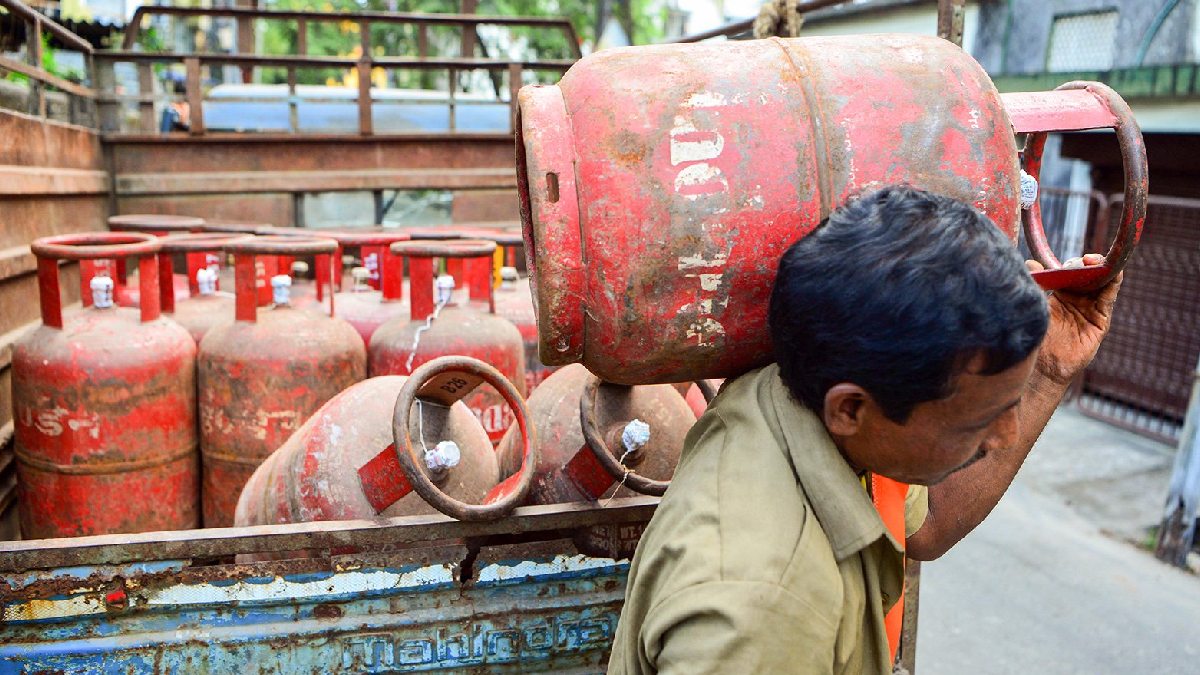
The price of LPG cylinders in India has recently spiked to nearly ₹1,500 in some regions, sparking concern among households and businesses. The sudden surge is largely attributed to panic buying triggered by the ongoing Iran war, which has raised fears of disruption in global energy supply routes. However, government officials and oil companies have clarified that there is no actual scarcity of LPG in India at present.
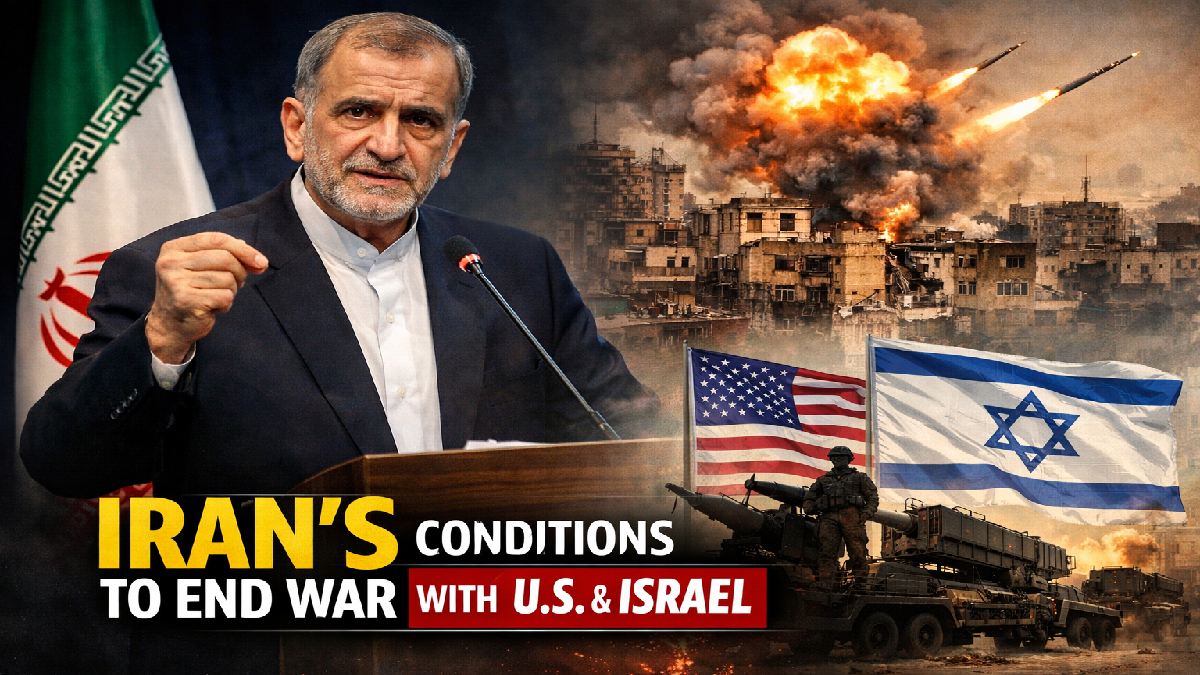
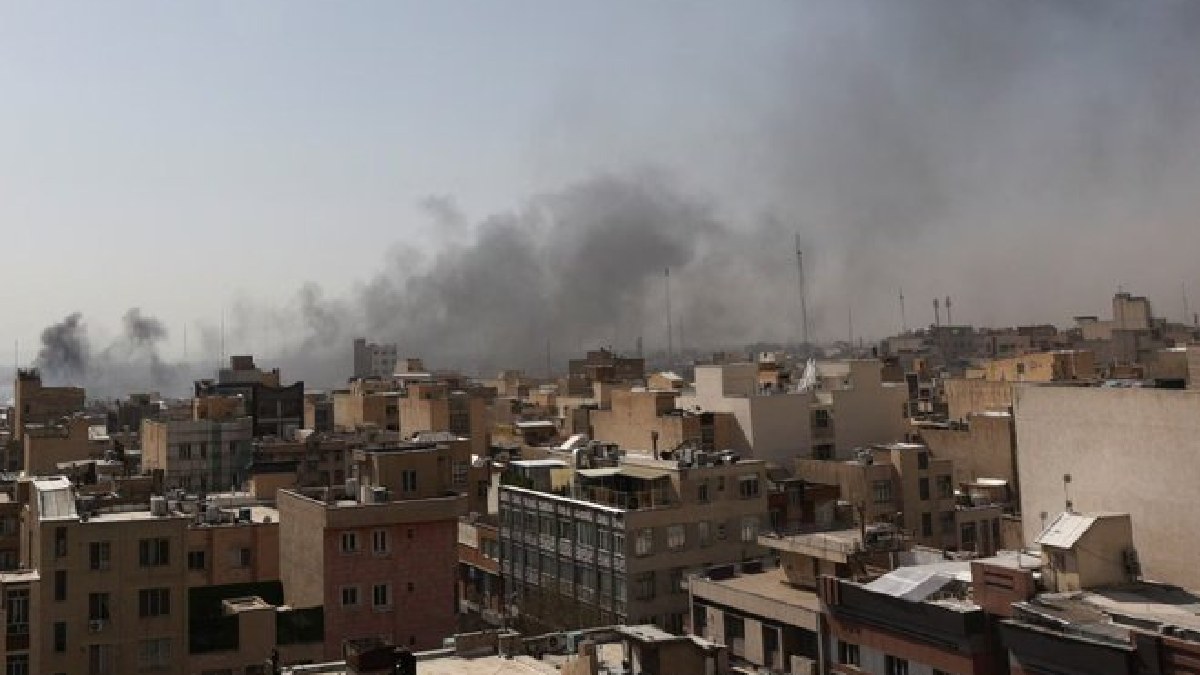
The conflict in Iran has heightened tensions in the Strait of Hormuz, a vital passage for global oil and gas shipments. This has led to speculation about possible supply disruptions, causing consumers in India to rush to refill their cylinders. Long queues have been reported at gas agencies in states such as Uttar Pradesh, Karnataka, and Telangana, with many households attempting to stockpile LPG.
In reality, India’s LPG supply remains stable. The government recently announced a modest price hike of ₹60 for domestic cylinders and ₹115 for commercial cylinders, bringing the official price of a non-subsidized domestic cylinder in Delhi to ₹913 and a commercial cylinder to ₹1,883. The inflated rates of ₹1,500 being reported in some areas are the result of local shortages caused by panic buying, rather than a nationwide supply crisis.
Authorities have urged consumers not to hoard LPG, warning that such behavior only worsens temporary shortages and drives up prices unnecessarily. India imports a significant portion of its LPG, but diversified supply chains and reserves provide a cushion against short-term disruptions.
For businesses, particularly restaurants and small enterprises, the rise in commercial cylinder prices has added to operational costs. Households too are feeling the pinch, but officials emphasize that distribution continues normally and there is no need for alarm.
Looking ahead, prices may remain volatile as long as tensions in West Asia persist. If the Strait of Hormuz remains blocked for an extended period, India could face higher import costs. However, experts stress that corruption and inefficiencies in distribution are bigger challenges than actual scarcity of fuel.
While LPG prices have risen sharply and panic buying has created queues across India, there is no genuine shortage of LPG at present. The surge is driven by fear rather than fact, and consumers are advised to avoid panic purchases and rely on official updates from oil companies and government agencies.