Budgetary estimates show that India's LPG (Liquefied Petroleum Gas) subsidy bill could go to ₹1 lakh crore in FY27, and there is a growing fiscal burden of keeping cooking gas prices affordable. If current prices continue to rise, the cost will be much higher than the ₹30,000 crore allocated to it in the Union Budget.
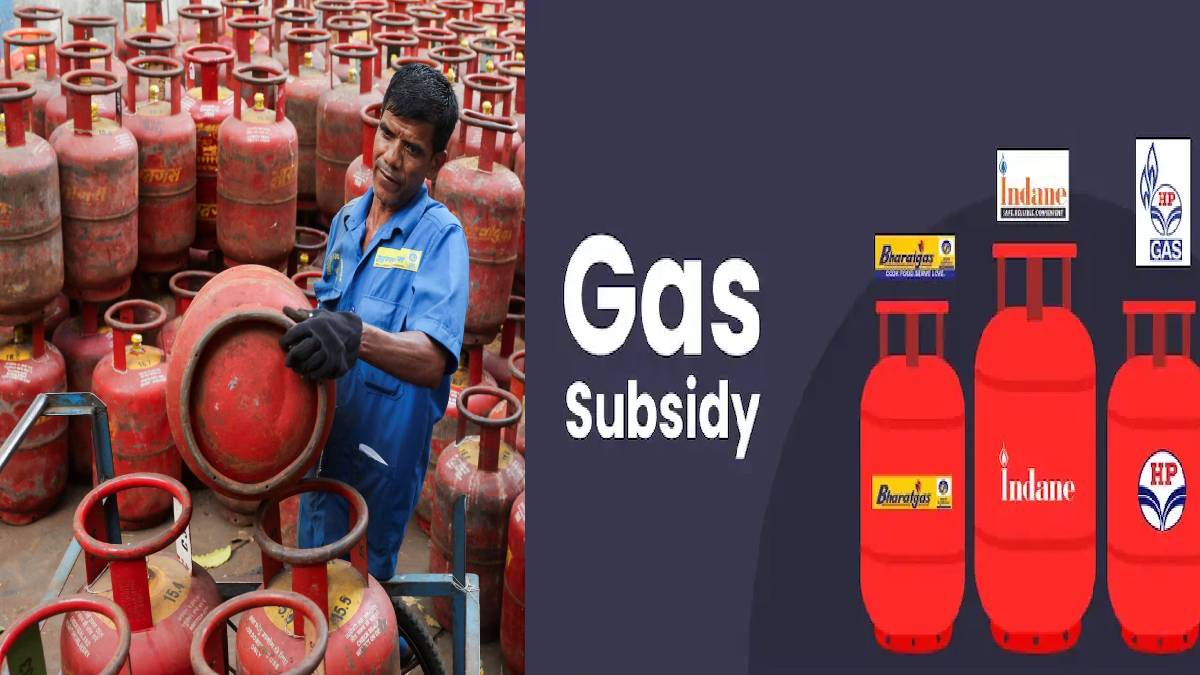
The increase in subsidy costs is being caused by higher international energy prices and the government’s decision to shield consumers from the full impact of these increases. The effective subsidy burden is estimated to be around ₹490 per LPG cylinder and is paid for by the Government of India and Oil Marketing Companies (OMCs) to keep retail prices relatively stable.
LPG subsidies play a crucial role in providing clean cooking fuel for economically weaker households. Programmes like PMUY (Pradhan Mantri Ujjwala Yojana) have helped in increasing LPG coverage in rural and low-income households, as well as replacing traditional cooking fuels like firewood and coal with less polluted alternatives.
But maintaining these subsidies has become increasingly expensive as global energy markets remain volatile. A greater gap between the budget allocation and the actual subsidy requirement could put further pressure on public finances and require additional budgetary allocations or changes to subsidy policies during the financial year.
The problem is also complicated due to historical misuse. Government assessments and enforcement actions identified instances in which subsidised LPG cylinders for domestic beneficiaries were diverted for commercial purposes or sold illegally on the black market. Such diversion undermines the effectiveness of welfare programmes and increases subsidy costs.
To address these concerns, the Centre had earlier reduced the subsidy support in the Ujjwala scheme from ₹2,700 to ₹1,200 in order to enhance beneficiary verification and to enhance monitoring of LPG distribution. These steps were taken to ensure subsidies reach eligible households and leakages in the system are reduced.
Even with these reforms, rising international LPG prices pose fiscal challenges. To balance the two most important policy objectives: protecting vulnerable households from rising cooking fuel costs and fiscal discipline. Affordable LPG is a matter of public health, environmental sustainability, and women’s well-being, as it can reduce reliance on polluting old-fashioned fuels.
Economists note that energy subsidies can fluctuate based on global commodity prices and exchange rates. If international LPG prices stay high and even further increase, the subsidy commitment might go beyond what is currently projected. On the other hand, lower global prices might reduce the fiscal burden over time.
The LPG subsidy bill is also expected to be increased in the wider government expenditure on infrastructure, social welfare, healthcare, education, and capital investment. It will be difficult to balance these competing priorities and still contain the fiscal deficit within certain limits.
Consequently, Oil Marketing Companies continue to play a crucial role in the LPG distribution network in India, supplying millions of homes across urban and rural areas. These companies’ performance can also suffer from the fact that retail prices are not always in line with market prices.
Although we estimate a subsidy bill in excess of ₹1 lakh crore, due to the magnitude of this challenge, the final expenditure for FY27 will depend on several factors like international LPG prices, domestic consumption, policy decisions, and future budget allocations.
To balance the benefits of clean cooking fuels with fiscal sustainability, as India expands access to clean cooking fuel and for the sake of its economy, we expect policymakers to closely monitor energy markets and reform subsidies in line with consumer interests.