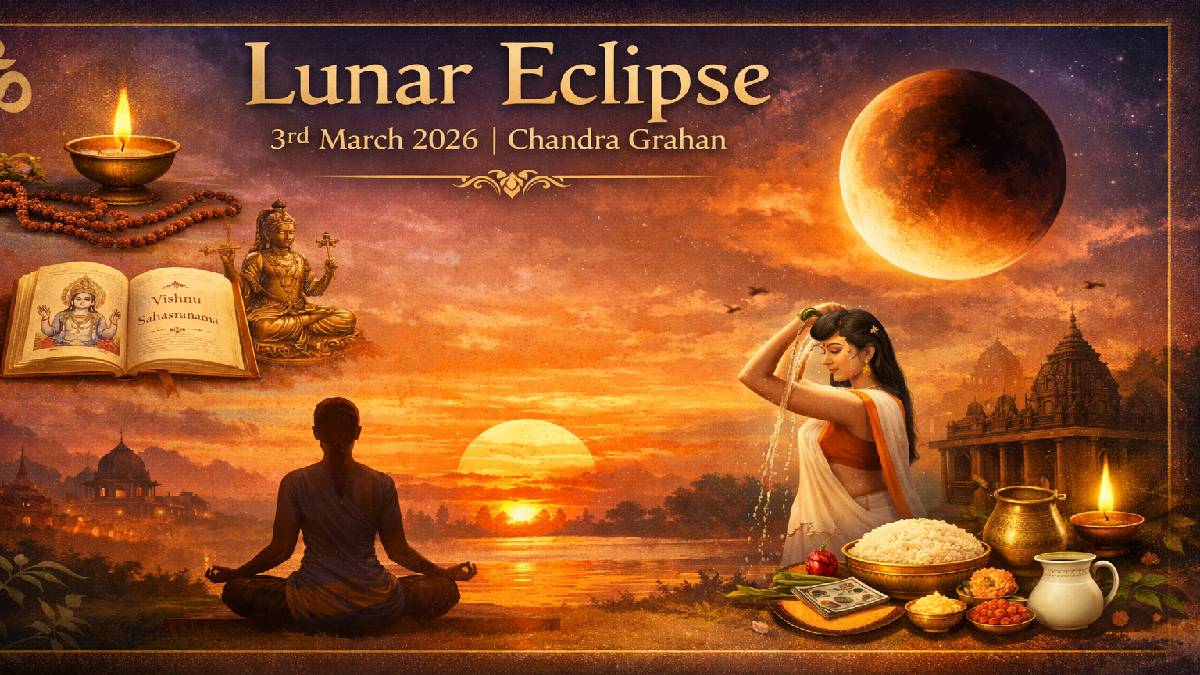
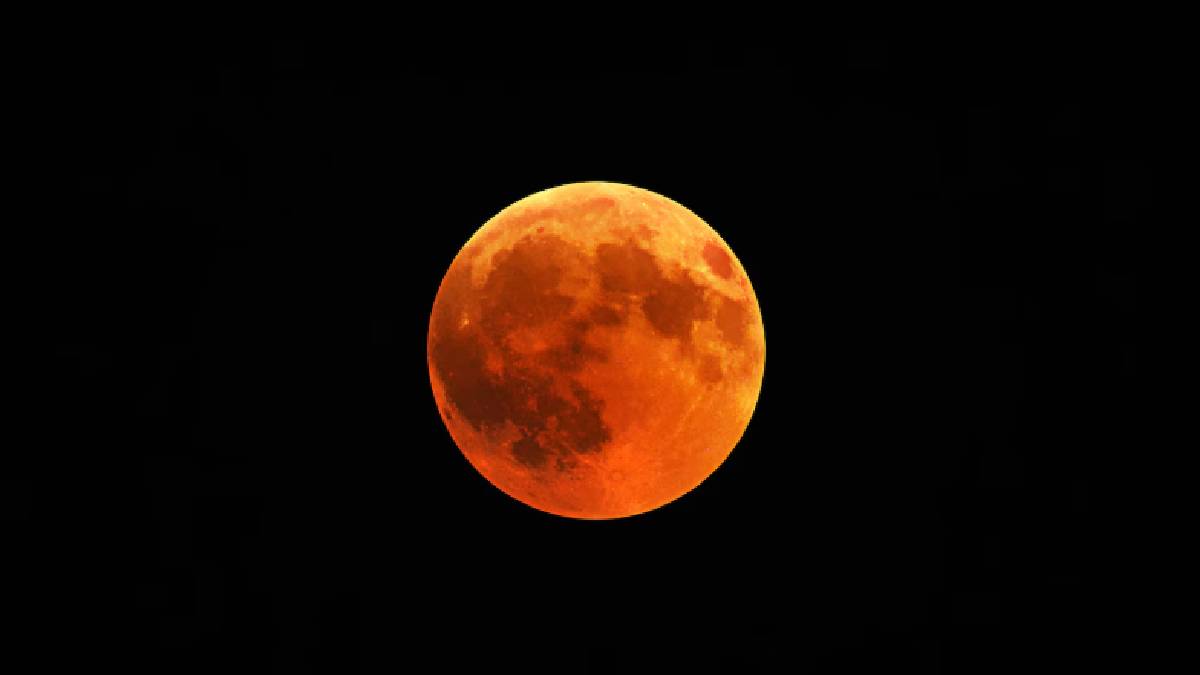
On March 3, 2026, a rare eclipse of the lunar system will be observed, sometimes called a Blood Moon, around the Earth. What makes this especially special in India is its overlap with Holika Dahan, the Holi ritual. This strange marriage of cosmic marvel and sacred heritage has aroused the interests of scientists, astrologers and believers. Here's how this alignment might have implications for us scientifically, spiritually, and culturally.
Scientific Perspective
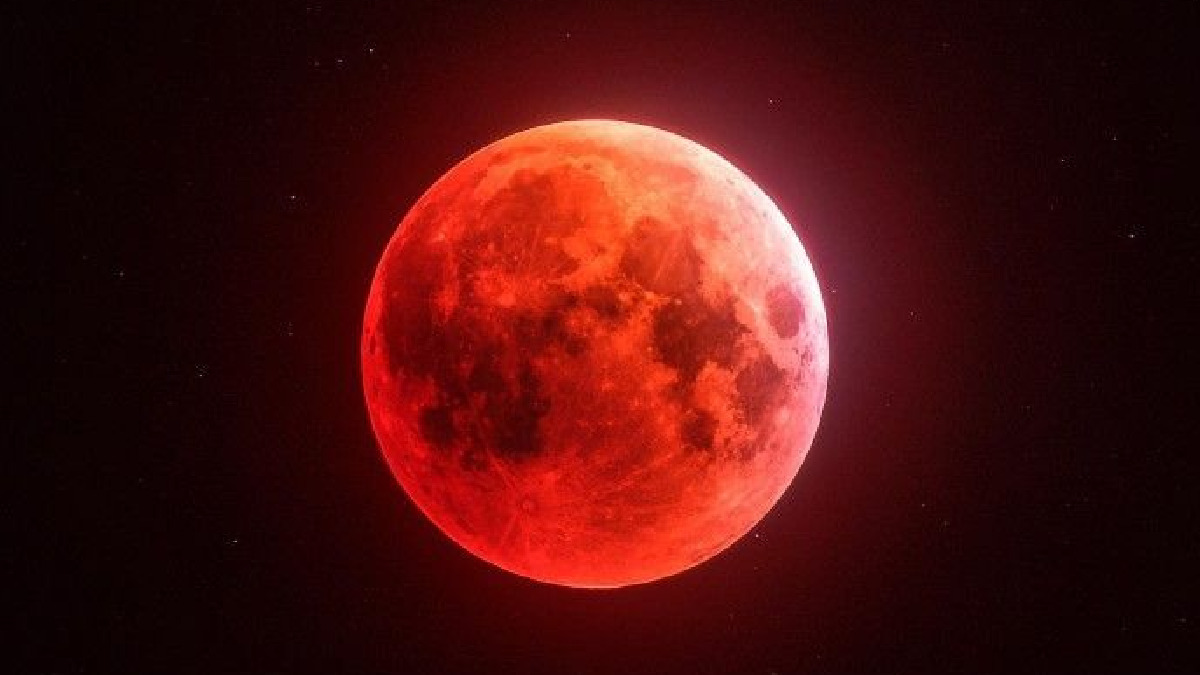
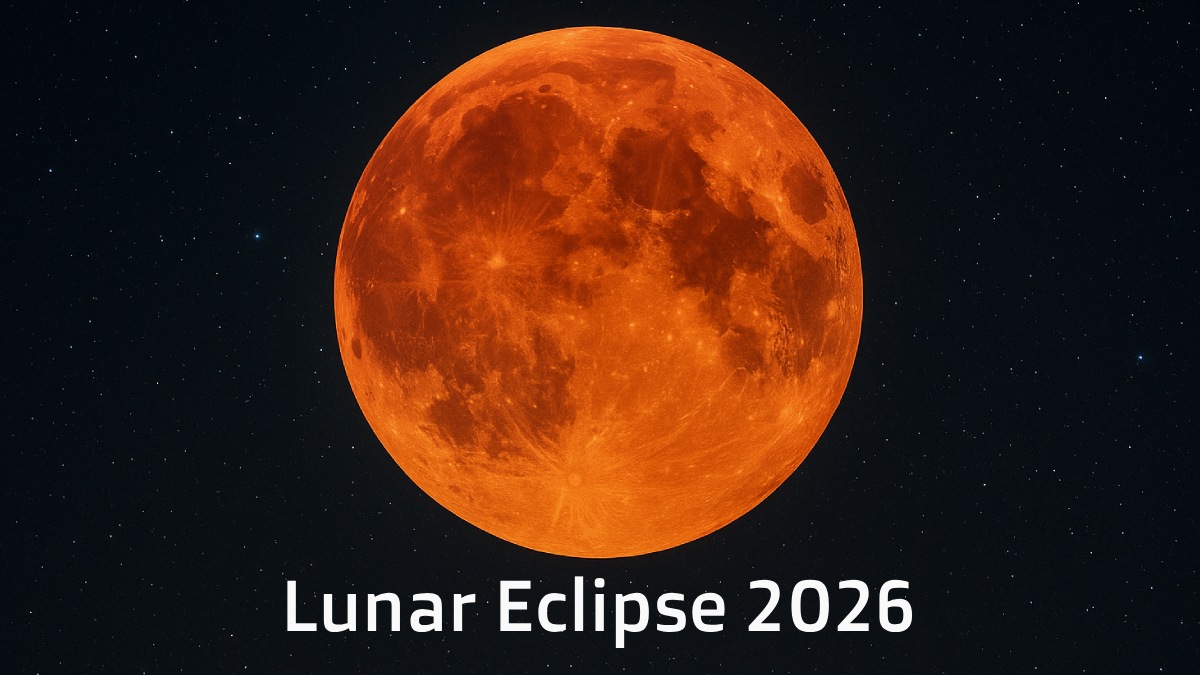
A lunar eclipse is when the Earth moves between the Sun and the Moon and creates a shadow against the lunar skin. During this eclipse, the moon will emerge tinted in crimson and deep blue due to the filtering pull of Earth’s atmosphere and ozone layer. This presents scientists an opportunity to investigate atmospheric composition and light scattering. The total phase, which is expected to proceed for nearly an hour, will be a rare sight for skywatchers. The eclipse’s last part will appear only after moonrise in India, though.
Astrological and Emotional Significance
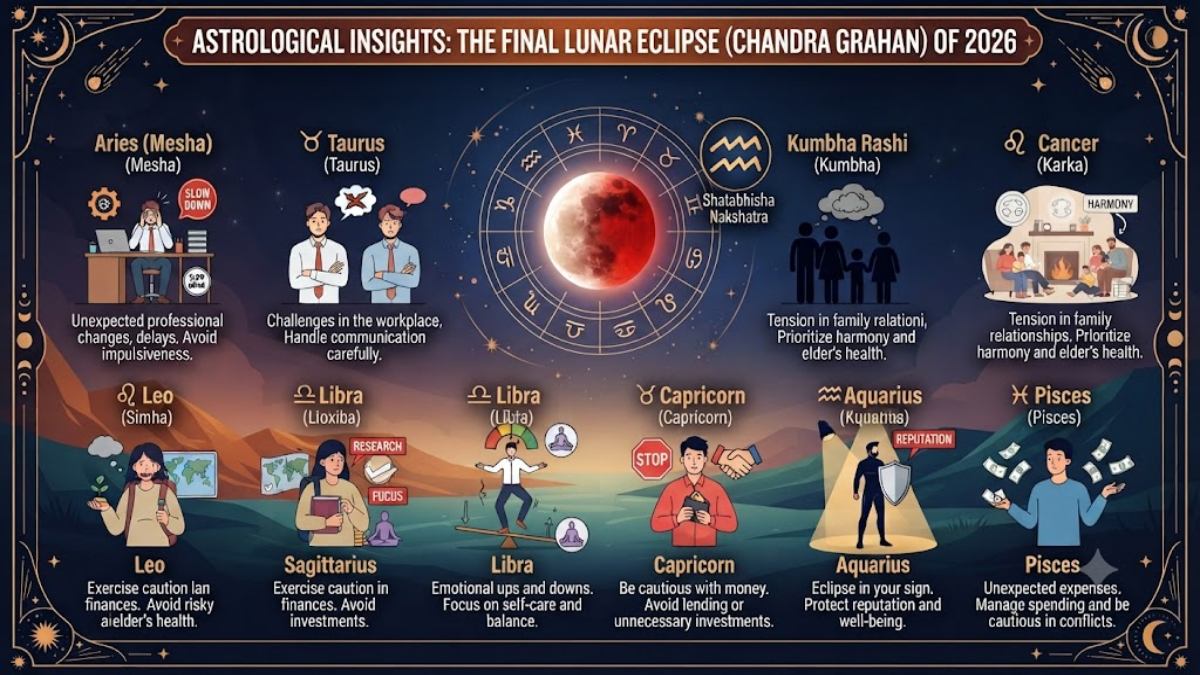
And astronomers, according to them, think eclipses feel and make you see something more and can open up emotions that you'd rather hide. This eclipse is in the zodiac of Leo, a personality sign of self-expressive spirit, aggression, and courage. To a lot of astrologers, it sounds to me like a time of release -- letting go of any old grievances and karmic pattern, emotional burden. Then together with Holika Dahan, which likewise carries the idea of burning negativity and renewal, the eclipse is regarded as a powerful stage of change. People may feel intense emotions come over them; but that clarity and strength that comes from looking forward is almost an almost supernatural feeling.
Relevance to Culture and Religion
Holika Dahan is the occasion on the eve of Holi, when good triumphs over evil. The family tradition is to sit around the sacred fire in order to burn some negativity away and to greet joy with open arms. The lunar eclipse overlaps also adds complexity. As per Hindu tradition, Sutak Kaal the time before and during an eclipse is also regarded as an inauspicious period for rituals. Many priests would recommend doing Holika Dahan before starting the eclipse or waiting out until the eclipse to keep the prayers going until the end. This also guarantees the respect of both cosmic timing and cultural tradition.
There is more to the coincidence of Holika Dahan and lunar eclipse occurring this March 2026. It is a signpost that cosmic cycles and human traditions often intertwine—all offering moments of renewal and connection. Seen through the lens of science, astrology or culture, the event urges us to move on, let go of negativity and welcome new beginnings.