The political situation in Tamil Nadu was once again brought to a head on Saturday when DMK president and former Chief Minister M.K. Stalin asked Chief Minister C. Joseph Vijay to abandon plans for a trip to Karnataka to discuss the long-standing Cauvery water-sharing issue. Stalwart of the visit, which, he said, was a “misguided decision,” argued that Tamil Nadu’s rights on the Cauvery River should be safeguarded through constitutional, legal, and institutional mechanisms not through direct talks with the Karnataka government.
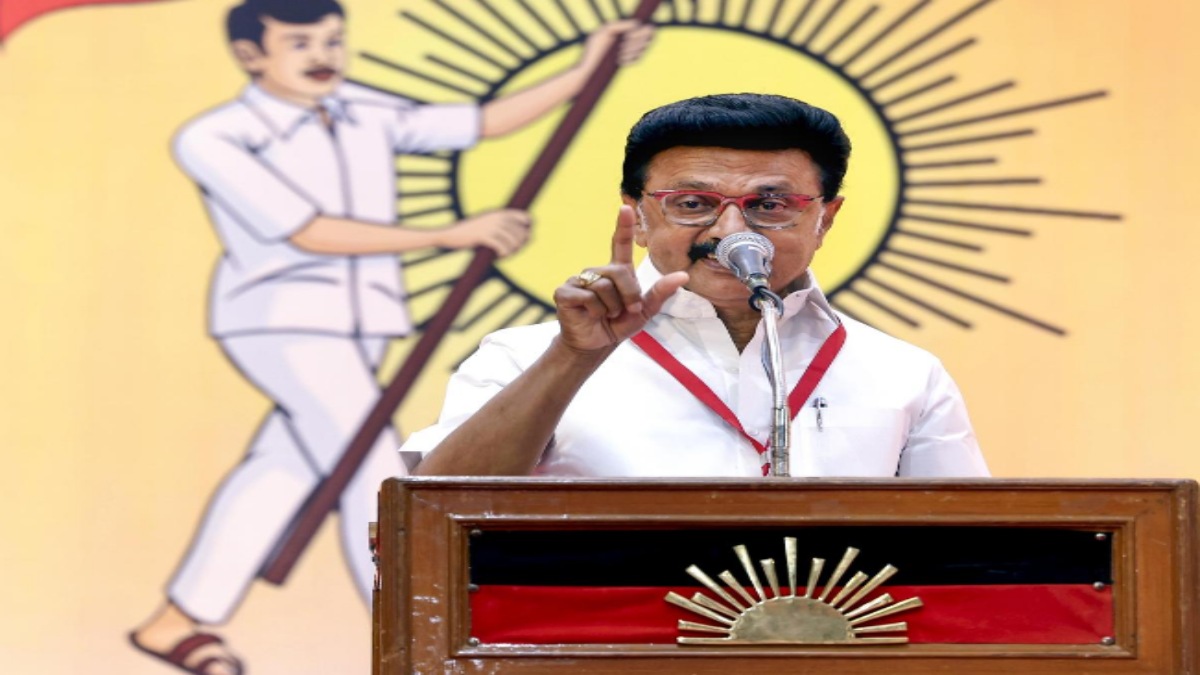
Stalin said the Cauvery water dispute is not only an administrative matter but is a legally governed matter which has already been fought up through courts and statutory mechanisms. He said the Cauvery water rights of Tamil Nadu are protected under the orders of the Supreme Court and the framework of the Cauvery Water Management Authority (CWMA). If a direct negotiation with Karnataka is made then Tamil Nadu already has a legal standing, he said.
The Cauvery River is at the center of one of India’s longest inter-state water disputes, with Tamil Nadu and Karnataka frequently arguing over how much water should be released and distributed in torrential rains, especially earlier in the year. Farmers in Tamil Nadu’s Cauvery Delta region have the most difficulty in getting water, and crop production is dependent on timely releases of water.
Stalin said governments in Tamil Nadu have always relied on legal remedies to protect the interests of the state and satisfy tribunal decisions and Supreme Court judgments. The current legal framework is the best approach to resolve water sharing issues and implementation, he said.
DMK leader, in a speech to the DMK leaders, said such bilateral discussions with Karnataka would not lead to meaningful outcomes if they are not binding in the context of constitutional and statutory mechanisms as it is outside the established constitutional and statutory mechanisms and, therefore, it could not be a good idea to do so if the visit was initiated by the Tamil Nadu government. The Cauvery Water Management Authority and other bodies that are responsible for monitoring water releases, he also suggested that the Tamil Nadu government should not give up the dialogue and rather, he said, continue to press our case and put it to the relevant authorities, including the Cauvery Water Management Authority and other bodies which monitor water releases.
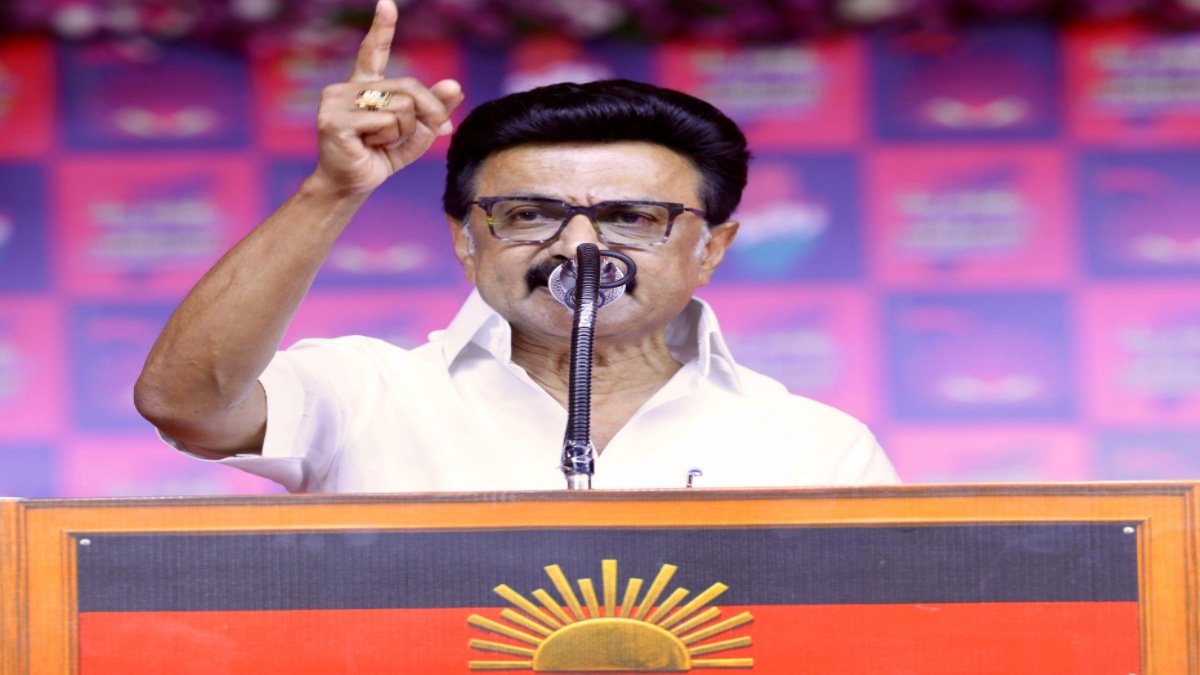
The former Chief Minister also spoke of farmers’ concerns in Cauvery Delta as they are closely monitoring water availability throughout every cultivation season. He said water release is also important for agriculture, livelihoods, and food production in the state. Stalin said the government’s priority should still be to give Tamil Nadu the fair share of water and comply with the laws.
The comments have triggered political debate in Tamil Nadu, with leaders from different parties expressing varying opinions on the proposed engagement with Karnataka. Dialogue between neighbouring states can sometimes help to relieve tensions and make things work on practical issues, supporters say; others say any talks should follow the legal framework of river water disputes in the state.
Political pundits said the Cauvery issue remained a sensitive and emotionally significant issue in Tamil Nadu and Karnataka. Any such decision about the Cauvery as it relates to negotiations, water releases, or legal proceedings often attracts a lot of attention from political parties, farmers' organisations, and the general public as well.
However, the Tamil Nadu government has not given a detailed reply to Stalin's criticism till now. It is not clear whether the proposed visit to Karnataka will go ahead or whether the government will define its objectives for the visit and agenda for the discussions.
As water governance experts say, while it is possible that dialogue can build goodwill between states and cooperation on some administrative issues, the implementation of Cauvery water-sharing arrangements is still subject to judicial orders and statutory responsibilities. This is because the river basin is governed by the coordination and monitoring of the level of reservoirs and law, they say.
Farmer groups still stressed the importance of timely water releases during crucial agricultural seasons. They have repeatedly called on all parties involved to take care of farmers and avoid delays in releasing water to support farmers’ interests and prevent adverse effects on crop production.
With Stalin’s remarks adding a new political dimension to the Cauvery issue, the Cauvery issue will be the main topic of discussion in Tamil Nadu for days to come. What will be the state government’s response and if any further developments in this matter of the proposed discussions with Karnataka will happen?