In Madhya Pradesh, a disturbing first-aid situation was just the proof of how important it is to know first-aid skills in the medical field and that a teacher who was teaching school got two broken ribs when a stranger administered cardiopulmonary resuscitation (CPR) believing she was in a heart attack.

Doctors later confirmed that the woman had not been in cardiac arrest and that the injuries were the result of inaccurate CPR on the scene.
Lalita, a teacher who works in a school, was riding her scooter when she collapsed due to the hot summer heat and fell unconscious. The witnesses arriving at the scene immediately concluded that she had a heart attack when she fell unconscious. Without proper medical care, two young men immediately started CPR in an attempt to revive her.
The woman was rushed to a nearby hospital for medical treatment. She was not at risk of heart attack or cardiac arrest after a thorough examination, doctors concluded. She probably collapsed as a result of heat and heat-related fatigue, doctors said. Doctors also found two fractured ribs, and they attributed them to improper chest compressions during the medical examination.
Medical professionals said that while CPR is indeed a life-saving technique when used properly in cases of cardiac arrest, it should not be performed on every unconscious person. CPR is called for all the individuals who are not responsive, not breathing, and have no signs of circulation. Strong chest compressions on a heart that is still beating can cause serious injury like broken ribs, internal organ damage, and pain if an individual is not able to breathe effectively and is not able to respond.
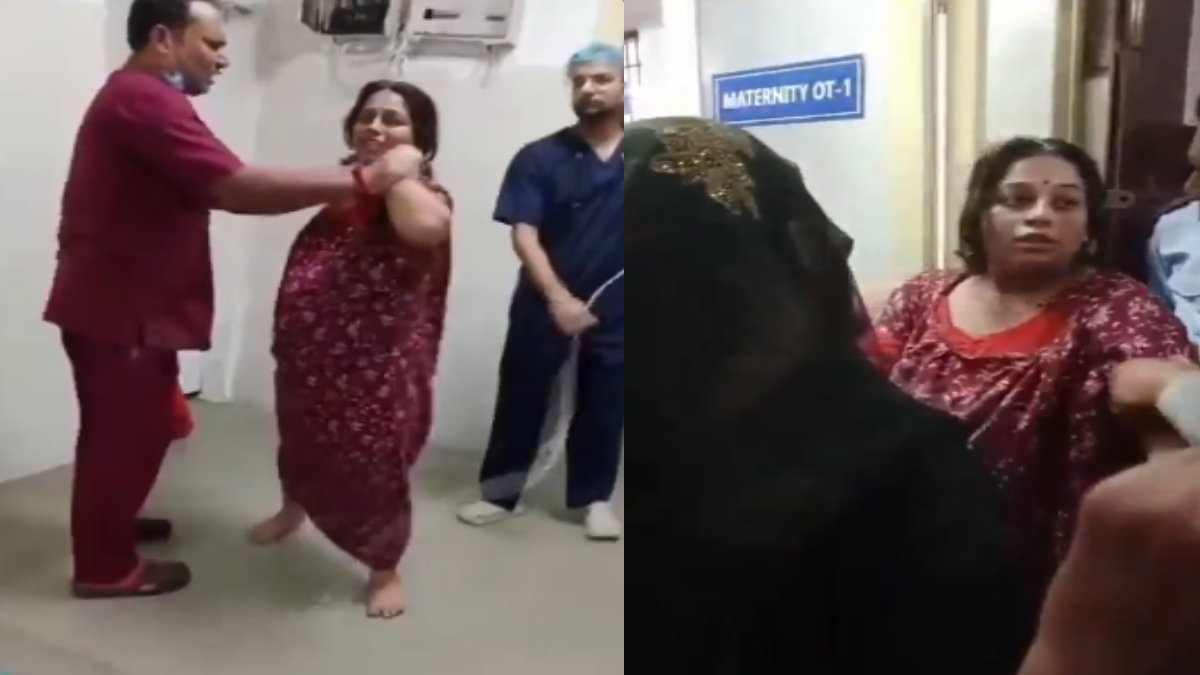
Doctors who treated the teacher said the emergency officials and the public should first try to assess the person's condition before starting CPR. Checking responsiveness, monitoring breathing, and calling emergency medical services are essential first steps in any suspected medical emergency. When there is uncertainty about the person’s condition, trained emergency personnel can guide bystanders over the phone while an ambulance arrives.
This incident has reignited fresh debate about how to better publicize first aid and CPR. Governments and health organizations have been encouraging citizens to learn CPR in recent years as immediate intervention can considerably increase survival rates during heart attacks. But healthcare professionals say training should be not only about how to perform CPR but also when it’s actually needed.
Chest compressions require a great deal of force to circulate blood during cardiac arrest, which is why rib fractures are a known complication even when CPR is done well by trained professionals. However, in a true cardiac arrest, the potential benefit of saving a life far outweighs the risk of broken ribs. Problems arise when CPR is done on those who don’t require it.
A heat-related illness (such as heat exhaustion and heatstroke) may also cause dizziness, fainting, confusion, or temporary loss of consciousness. These conditions need immediate cooling measures, hydration if needed, and immediate medical evaluation rather than automatic CPR unless cardiac arrest has actually happened.
Health professionals are now using the incident to remind the public of the need for certified first-aid training. Good courses will teach us how to recognize cardiac arrest, to recognize normal and abnormal breathing, to place unconscious individuals in the recovery position when appropriate, and to perform CPR only when necessary. Such training can eliminate the risk of well-intentioned mistakes and improve emergency outcomes.
The case also underscores the need to quickly call emergency medical services rather than depending on improvised treatment. Emergency dispatchers often provide step-by-step guidance until trained paramedics arrive, ensuring that appropriate care is provided based on the patient’s condition.
The two young men involved expressed concern and desire to help, but the situation served as a reminder that emergency medical procedures should be carried out only after properly identifying the situation. Their intentions may have been noble, but the outcome is a good illustration of how incorrect first aid can potentially cause more damage.
Doctors hope that this event will lead to the adoption of formal CPR and first-aid certification programs. Accurate assessment, timely intervention, and proper technique are the tenets of good emergency care. If public awareness is combined with proper training, many lives can be saved and avoidable injuries can be prevented in subsequent emergencies.