A 25-year-old woman and her newborn daughter died at Sanjay Gandhi Memorial Hospital (SGMH) in Rewa in Madhya Pradesh, and anger is mounting for an impartial investigation of their deaths.
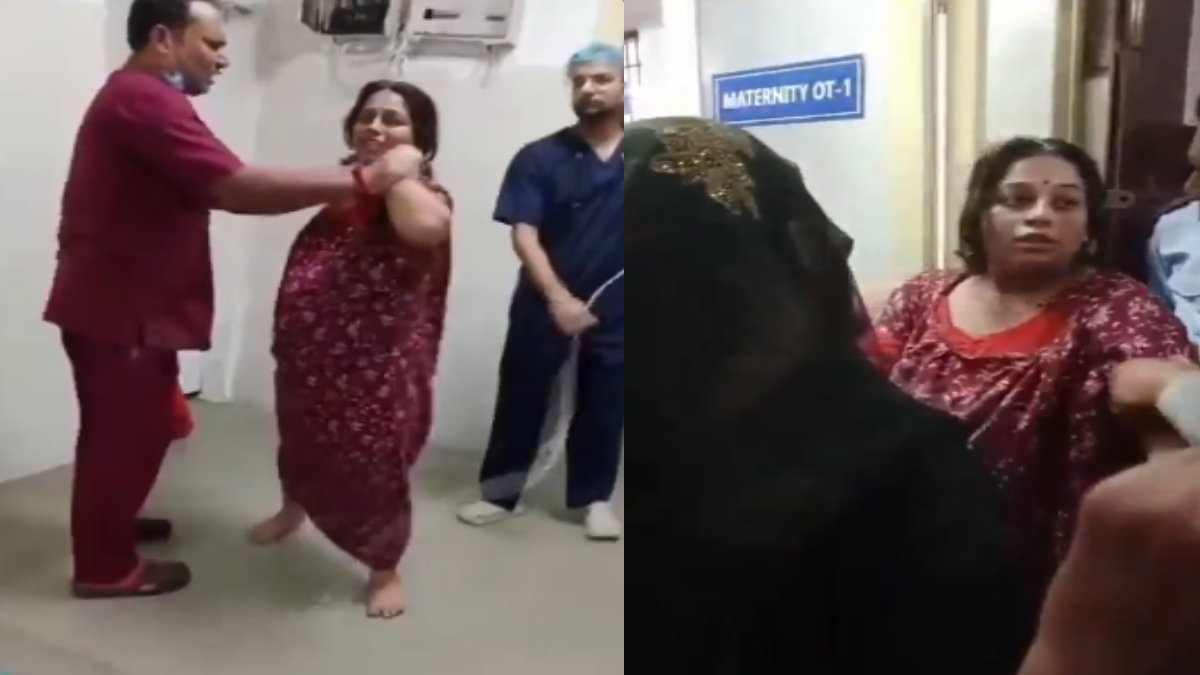
A video of the woman’s delivery just hours before her delivery was posted on social media. In the video, Kalpana Mishra is distressed and asks her family to take her away from the hospital, saying she is worried about going back there for treatment.
According to reports, Kalpana was admitted to Sanjay Gandhi Memorial Hospital, also known as Gandhi Memorial Hospital, on Tuesday. Her family said she underwent a caesarean section the next day. Both Kalpana and her newborn died during treatment at the hospital. The reasons for the deaths are being investigated by the hospital and district authorities, but the exact cause will be known only after the post-mortem examination and inquiry.
The video has been one of the focal points of public discussion since both deaths. In the video, Kalpana is heard pleading with her family to get her out of the hospital and expressing fear for her welfare. One family member is heard trying to reassure her that doctors were treating her and she would be fine. The video has caused some concern and anger among viewers as it was shot before the medical procedure took place.
Kalpana's family has claimed she regularly complained about her condition and that timely medical care was not provided. Doctors and nursing staff, they say, have also been rude to them. The allegations have not come from themselves but are now part of the investigation being conducted by the authorities.
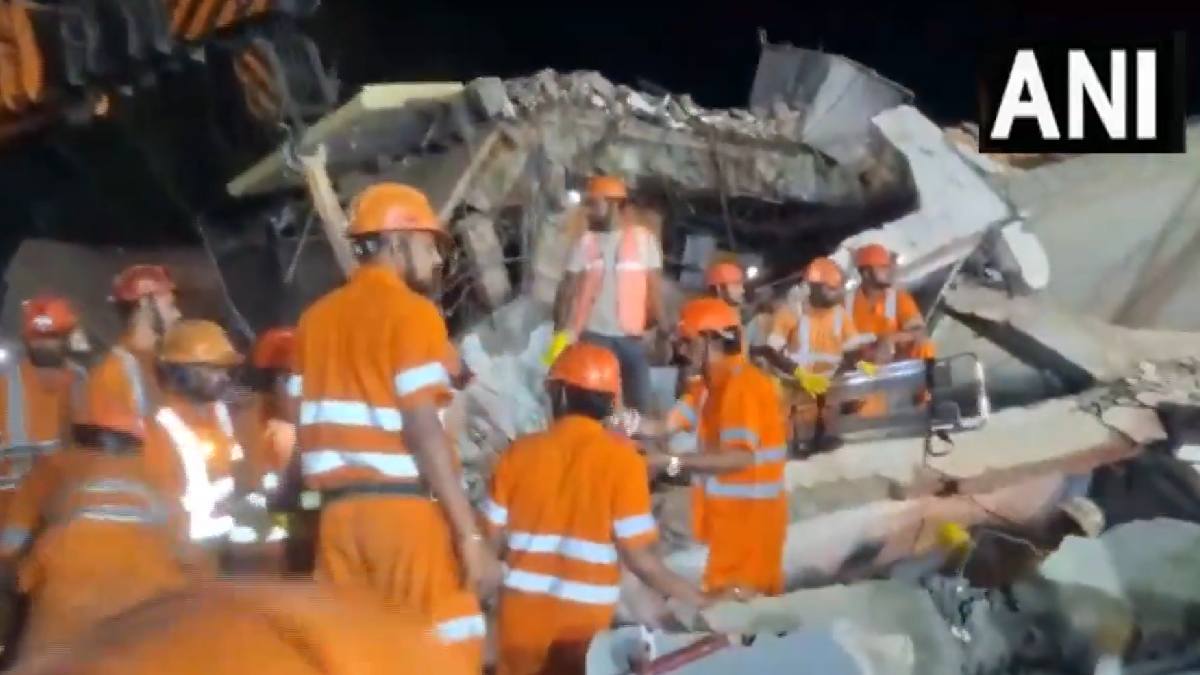
Grieving relatives and supporters rallied outside the hospital and held a sit-in protest. The protesters asked that anyone who was responsible for the deaths be held accountable and for the deaths to be punished. Senior hospital officials came to the location to speak to the family members.
SGMH Dean Sunil Agarwal and Superintendent Rahul Mishra reached the spot after protests. They met the bereaved family and assured them that the circumstances would be investigated through an impartial inquiry. The hospital administration has rejected medical negligence allegations and has said that the facts would be ascertained through investigation and post-mortem process.
As a precautionary measure, two nursing officers who were on duty at the time have been suspended. A committee is being formed to investigate the deaths and to give recommendations. The treatment of Kalpana was given, the medical process, the actions of staff, and other relevant records will be examined by the committee.
Post-mortem analysis is expected to be a crucial part of the investigation. The examinations will be carried out by a panel of doctors from the district hospital. Medical examiners have contended that the cause of death for mother and newborn cannot be determined definitively until the medical examination and inquiry reports are complete.
The case has also attracted the attention of local political representatives. BJP MLA from Mangawan Narendra Prajapati visited the hospital and met Kalpana’s grieving family. He also spoke with hospital officials and assured the relatives that action would be taken if anyone was found responsible after the investigation.
The incident has raised new questions about patient care and communication between medical institutions and families in emergency maternity cases. Hospitals dealing with complicated pregnancies and emergency procedures are under high pressure, but patients and their relatives also rely on medical staff to communicate and respond promptly. Any allegation of negligence is only possible if medical records are examined, staff statements obtained, and independent medical evidence is looked at.
At the same time, authorities must distinguish allegations and facts when carrying out the investigation. The family’s claims are understandable, particularly now that the video has been exposed, but medical negligence must be investigated by medical and investigative professionals. The suspension of the two nursing officers is only a preliminary administrative action and does not in itself constitute responsibility for the deaths.
The investigation will examine multiple aspects of the case, including Kalpana’s condition when she was admitted, the treatment provided before and after the caesarean section, the timing of interventions, and the condition of mother and newborn during treatment. Hospital records, prescriptions, monitoring charts, and statements from medical personnel would be part of the inquiry.
The administration’s decision to set up an investigation committee is also intended to provide a formal mechanism for determining what happened. An objective inquiry is especially important in deaths at government hospitals because it can help to establish whether medical procedures were followed and whether any shortcomings occurred.
Kalpana’s family has lost both mother and newborn. Their demand for accountability signals their hope for clear answers as to what happened in the last hours of her treatment. The authorities will now have to ensure that the inquiry is conducted transparently and that relevant evidence is properly examined.
The case also underscores an imperative for grievance mechanisms in public hospitals to be strengthened. Families in acute medical situations may not know about complex medical procedures and can get upset when the communication goes unaddressed. Clear explanations from healthcare professionals, appropriate counseling, and timely updates can help families understand a patient's condition and treatment plan.
Government hospitals are crucial to healthcare for such a large part of the population, particularly patients who depend on affordable or publicly funded medical services. Good staffing, training, equipment, and accountability are therefore critical to maintaining public confidence in these institutions.
As the investigation is ongoing, it is expected that officials will wait until post-mortem and the inquiry committee's report before deciding whether further action is warranted. The hospital administration has said that negligence allegations would be looked at and appropriate action would be taken if wrongdoing were found.
The viral video has made the Rewa case particularly prominent, but investigators will have to rely on medical evidence and verified testimony rather than social media interpretations. The medical panel and inquiry committee will give a more detailed insight into the circumstances leading to Kalpana and her newborn's deaths.
A 25-year-old woman and her newborn died at a government hospital in Madhya Pradesh’s Rewa. Just hours before her delivery, a video that has since gone viral on social media, showed her pleading with her family to take her away from the hospital and expressing fear about… pic.twitter.com/8SVE9ughIP
— Hate Detector 🔍 (@HateDetectors) August 28, 2026
For now, we are here to establish the facts, to support the bereaved family, and to ensure a fair investigation. The suspension of two nursing officers and the establishment of an inquiry committee are initial steps taken by authorities. Further action will depend on the evidence in the investigation and the conclusions reached by medical and administrative panels.
The Rewa hospital tragedy has also raised questions about patient care, and so has an evidence-based investigation. Until the official reports are released, the allegations of medical negligence remain allegations. The post-mortem examinations and inquiry are expected to be the key in determining the cause and the consequences of medical neglect and the failure to provide care in the worst way for the victims.