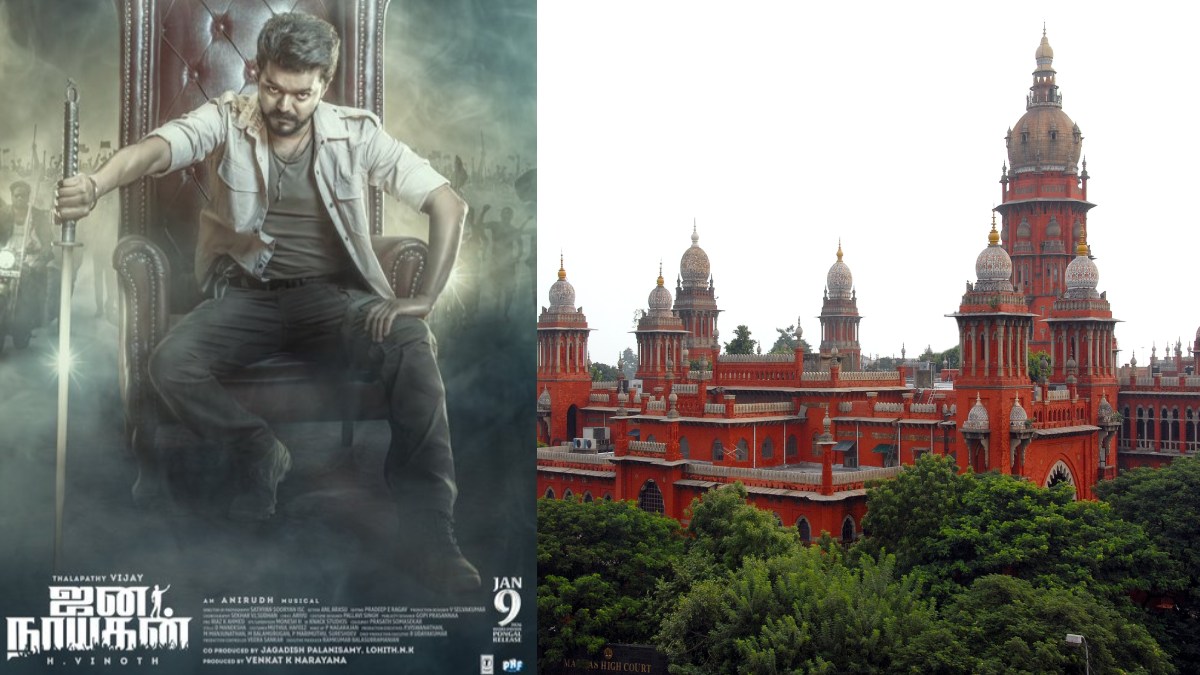
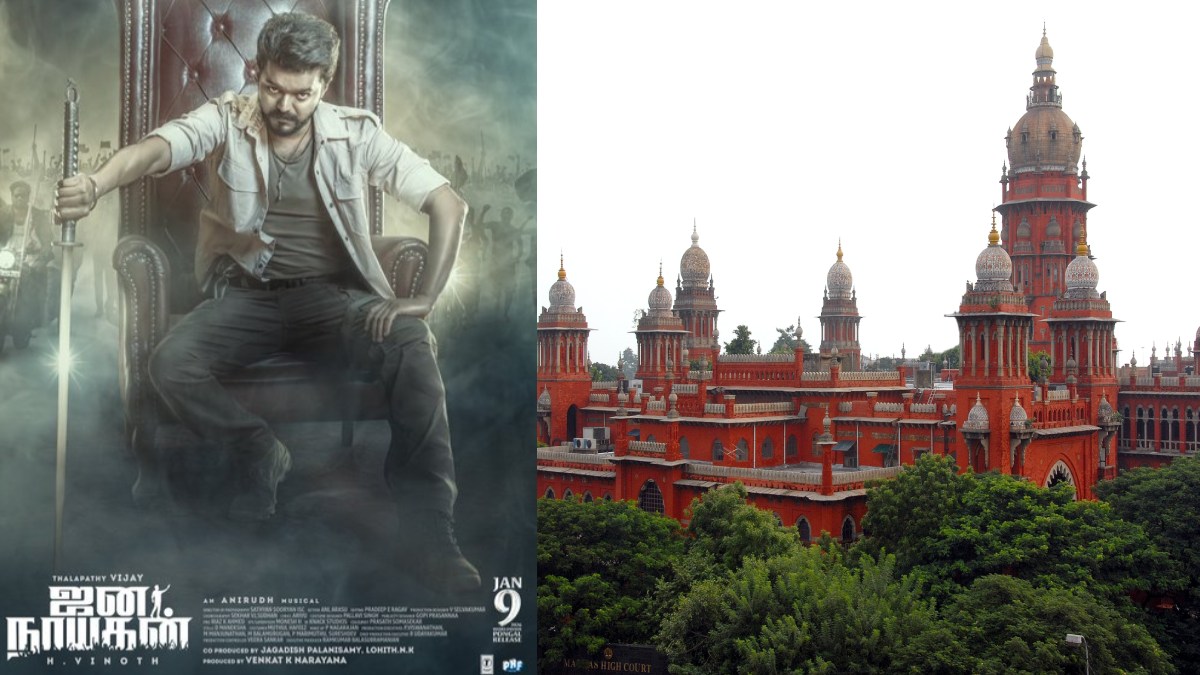
The Madras High Court on Friday dismissed a public interest petition which sought to prevent the Tamil Nadu government from giving government jobs to the family members of those who tragically lost their lives in the September 2025 Karur stampede.

The petition, filed by Prabhakaran, a Chennai resident, is to prevent the state from offering employment to the victims’ families until the Central Bureau of Investigation (CBI) concludes its probe and presents its final report on the disaster. A bench was comprised of Chief Justice SA Dharmadhikari and Justice G Arulmurugan.
Court Observations and Verdict
Without a single denial of the petitioner's arguments, the bench observed that the request to withhold employment support from the grieving families could not be adopted.
Jobs have already been provided to the families of the victims. CBI investigation is still going on as per the Supreme Court order. The Madurai bench of the High Court has also stated that it is the government's job to abide by the court order. Therefore, no restraining order can be issued in this regard.
Background of the Case
The tragedy took place on September 27, 2025, when a stampede broke out during a political rally in Karur led by Tamilaga Vettri Kazhagam (TVK) chief and actor Vijay, who was present. 41 people, including 18 women, 13 men and 10 children were killed and about 110 others injured in the disaster. In the wake of the tragedy the state government announced financial relief of ₹10 lakh for the families of the deceased and ₹1 lakh for the injured and offered compassionate employment to one member of each bereaved family. The investigation was handed over to the CBI by the Supreme Court on October 13, 2025.
Petitioner's Arguments
During the proceedings, the petitioner said that the timing of the government’s decision to grant employment— announced following a political shift in Tamil Nadu— could have influenced witnesses, deterring them from testifying against ministers named in connection with the incident.
In addition, the counsel pointed out, compassionate appointments are traditionally limited to families of deceased government personnel or specific reserved categories, and extending such benefits to victims of a public political stampede is legally questionable. But the state’s rehabilitation measures for the victims’ families are not in question with the dismissal of the plea as the central investigation is still ongoing at the Supreme Court.