The Madras High Court has asked the Tamil Nadu Government to respond to the issue of horizontal reservation for transgender workers in government jobs as it is only the next step in the larger conversation on equality, inclusion and affirmative action for public service.
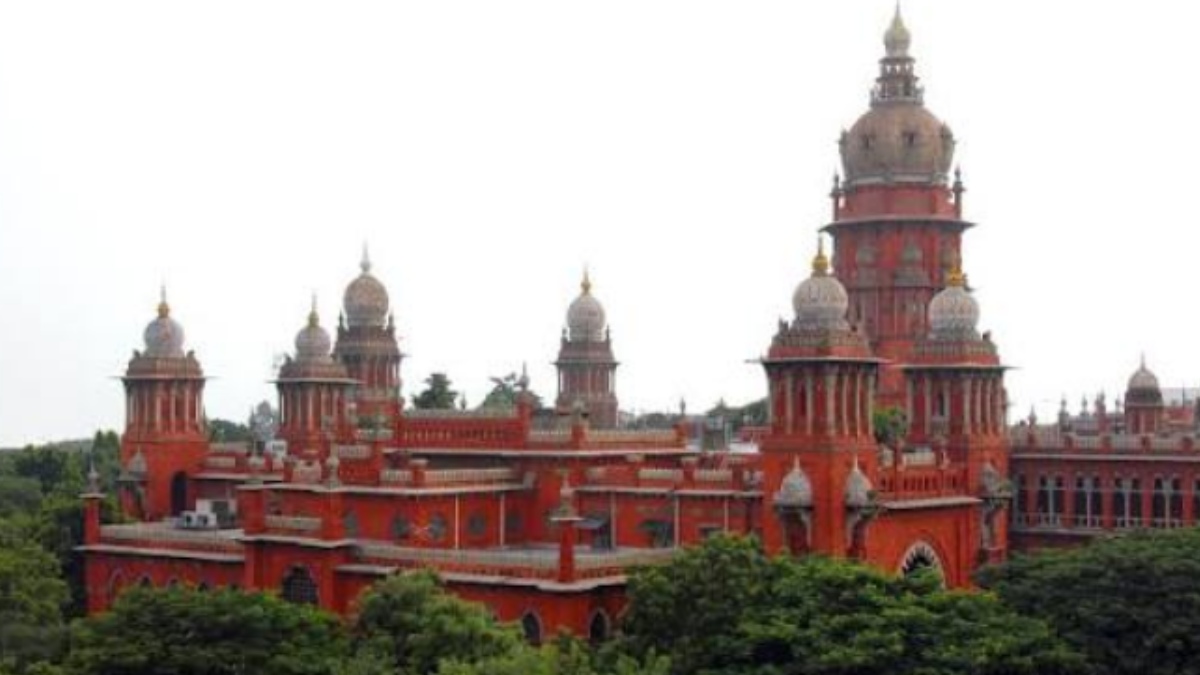
The court's ruling came in response to a petition that called for reservation within horizontal lines for transgender candidates for government jobs. This has once more highlighted the difficulties faced by transgender people in getting equal employment despite legal and constitutional protection.
The High Court asked the State if it had made any policy or done anything to implement horizontal reservation for transgender persons in government jobs. The court wanted to know if the government was doing what it could and whether it is doing what it could to secure transgender people for work in the public sector or not given the way the system is.
Horizontal reservation is a form of reservation that cuts across all existing categories: Scheduled Castes (SC), Scheduled Tribes (ST), Other Backward Classes (OBC), and the General category. It is already available for people with disabilities, former service members and women in specific jobs in many states. Transgender rights supporters argue that the same kind of benefits for transgender people will be granted in public jobs and that discrimination and social exclusion will be eliminated.
Transgender rights have evolved considerably over the past decade in India. In the landmark 2014 ruling in the NALSA case, the Supreme Court of India recognised transgender persons as a distinct third gender and recognised in this matter fundamental rights under the Constitution. The Apex Court directed governments to treat transgender persons as socially and educationally backward classes for the purpose of extending reservations and welfare. The court stressed the rights of equality, dignity and non-discrimination guaranteed under Articles 14, 15, 16, 19, and 21 of the Constitution.

Following the NALSA judgment, Parliament enacted the Transgender Persons (Protection of Rights) Act, 2019 which bans discrimination against transgender people in education, healthcare, employment, housing and access to public services. It also guarantees equal opportunities at work and requires employers to take steps to prevent discrimination. Activists have maintained throughout the years that although legal recognition has improved, implementation has been patchy: employment and reservation policies are, for example, in question.
Tamil Nadu has been one of the early states in implementing welfare programs for transgender people. One of India’s earliest Transgender Welfare Boards has been established there and programs on education, health care, housing, identity documentation and social welfare have been launched. But rights groups say employment remains one of the most difficult challenges for transgender people, who are still discriminated against in job recruitment and in work.
Legal experts believe that the Madras High Court’s question has a wide-ranging impact on Tamil Nadu’s employment policies. If the State decides to introduce horizontal reservation it is likely to make transgender people more likely to be included in public service and make for more social inclusion. It might also be the model for the other states which are also mulling affirmative action programs.
Supporters of horizontal reservation contend that transgender people experience multiple layers of disadvantage in education, rejection of family life, lack of access to skill development, and discrimination in the workplace. Without targeted affirmative action, they say, equal opportunity is mainly theoretical. Reservation in government jobs could provide a stable job, financial security and participation in public institutions and reduce social stigma.
At the same time, policymakers would need to carefully design any reservation framework to ensure transparency, fairness, and compliance with constitutional principles. Consultations with transgender community representatives, legal scholars, and social justice experts would be required before any policy is finalized, experts say.
The Supreme Court’s intervention is a reminder of the judiciary’s continuing responsibility to translate constitutional guarantees of equality into actual measures. The Tamil Nadu government will have to respond to the case and how it will be incorporated in the conversation on transgender rights, affirmative action and inclusive governance in the state.
The outcome of the proceedings may influence future policy decisions not only in Tamil Nadu but also across India, where government is working on ways to make public institutions more representative and accessible. For the transgender community, this is yet another step in the fight for equal opportunities, dignity and meaningful participation in public life.