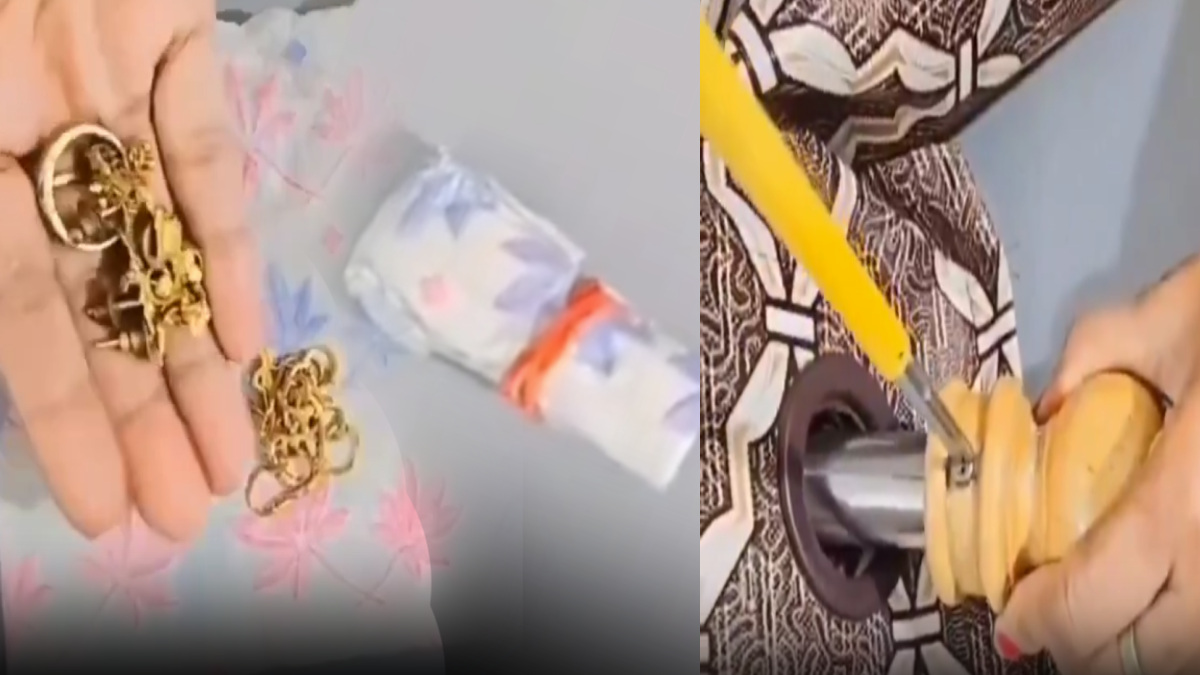
Sustainability has never been more important than it needs to be for our world, even today, as we struggle to recover from waste, but an interesting story has been birthed in India, telling us that the wealth of discarded electronic artifacts may lie concealed in a very specific space.

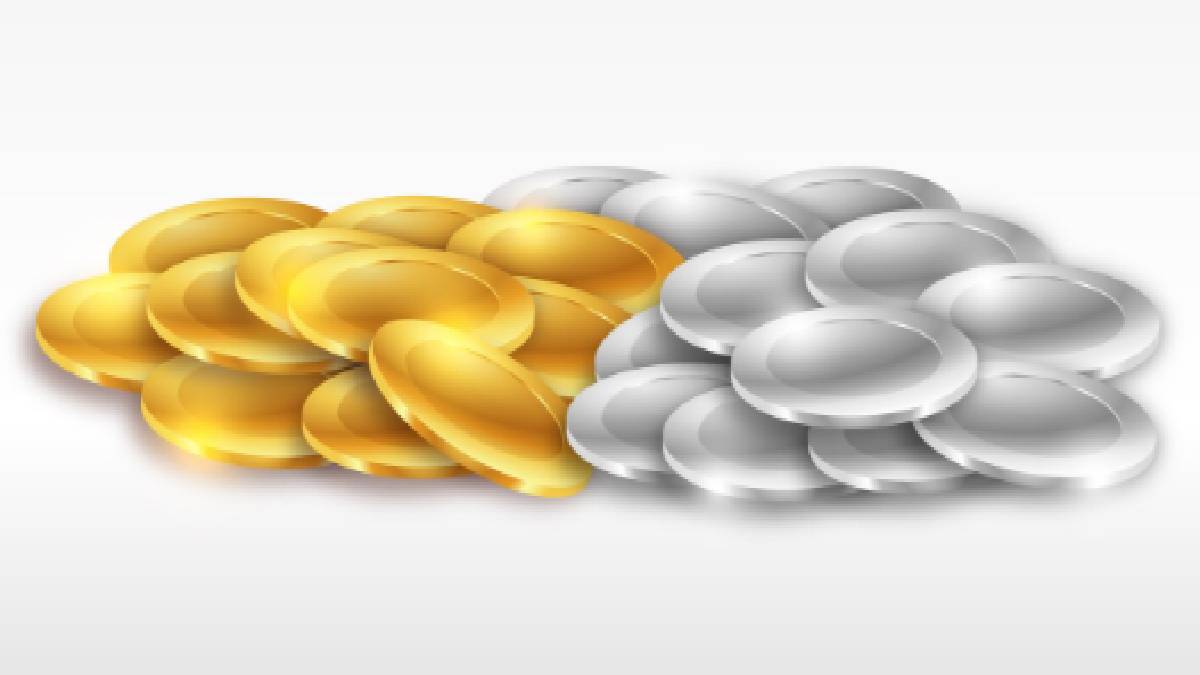
And out of what are really old SIM cards, motherboards, and computer processors it seems, an artisan in India has been able to mine the incredible wealth of gold, worth ₹29 lakh (approximately $35,000 USD). Already with much fanfare, it adds new value in that it serves as a rare opportunity to experience the incredible opportunity for non-contradictory e-waste as a valuable metal resource.
The Unseen Asset of Your Old Gadgets
The story spread widely through local media and explains how this dude meticulously dismantled old electronic components. The exact methods may not be completely in the public domain, but the underlying principles of how we extract invaluable metals from e-waste are a complicated mix of chemical and physical events.
SIM cards, for instance, show tiny amounts of gold on their contact plates. Computer motherboards and processors are similarly deep treasure troves, where the little gold-plated connectors, pins and wires are crucial to electrical conductivity and that make their way through those circuits. These are the neglected assets that house together an incredible amount of valuable substances.
A Scientific Endeavor
Separate gold from e-waste, because the lab does not carry out these operations without specialized expertise, equipment use, and strict compliance with safety protocols because strong acids and chemicals are involved. Traditionally, the process consists as follows for this:
- Dismantling: Undermining electronic fittings of plastic and other components that are not made of metallic materials.
- Shredding/Grinding: Lower dimensional reduction of elements to reduce their size, widening the surface area.
- Chemical Leaching: Laying down gold with a chemical solution (aqua regia, nitric acid/hydrochloric acid, or cyanide solution in larger industrial applications) and other ions excluded.
- Precipitation: The process of extracting the dissolved gold from the solution with a mixture of precipitants.
- Refining: The gold recovery process of refining the recovered gold to get its high karat purity.
The successes of this man testifies to a deep comprehension of such sophisticated procedures and a patient, systematic form of what is essentially “urban mining.”
The Consequences of the Widespread Use of E-Waste
This unique achievement has shone a light on a few striking problems in e-waste operations:
- Environmental damage: The speed of e-waste is the fastest-occurring type of waste stream and e-waste, if not recycled enough, can have a vast ecological and human impact. Mining precious metals is very resource heavy and recovering precious metals lowers the need for conventional mining.
- Financial Benefit: The gold in waste myth provides a strong economic rationale for a robust e-waste recycling infrastructure. This e-waste contains the likes of silver, copper, platinum, palladium and rare earth elements.
- Resource conservation: When natural resources dwindle, extracting metals from products makes it a critical resource-management approach and the idea of circular economy.
Although the guy is resourceful with specifics on how they’re being built this is quite a private story, and this story is the story of human ingenuity, and how we hide as much treasure behind a technology that is thrown away. It forces us to reconsider our understanding and response to electronic waste, and transforms a problem into a valuable opportunity.