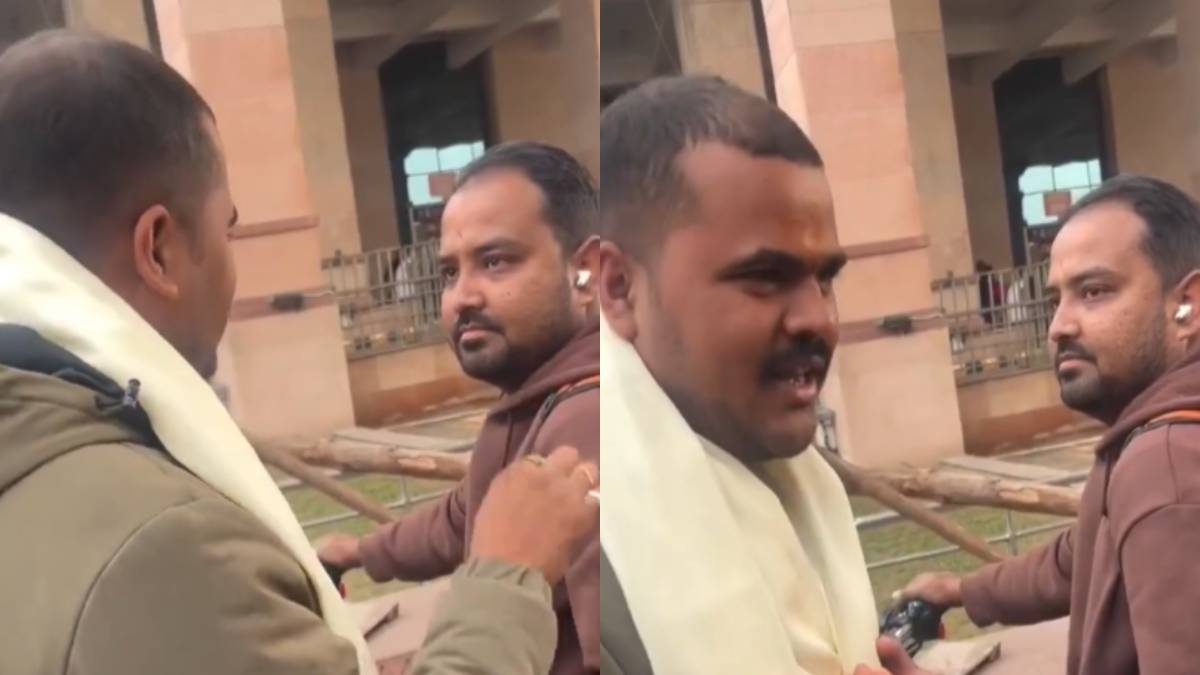
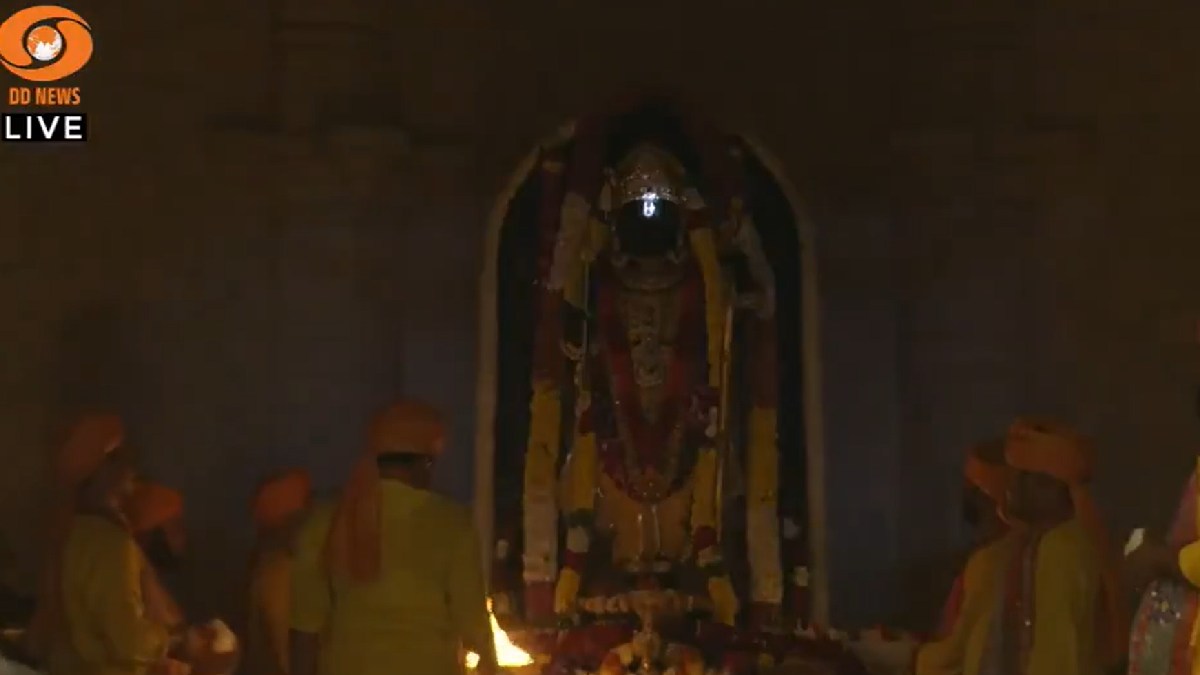
Lord Ram's birthplace, Ayodhya, experienced a traumatic occurrence during a Ram Katha program, led by religious leader Rambhadracharya Ji. The event was attended by over 10,000 devotees, but at the scene a man tried to vandalize a statue of Lord Ram, which interrupted the peaceful event. The incident has prompted questions about security, public response and the community’s response to provocation.
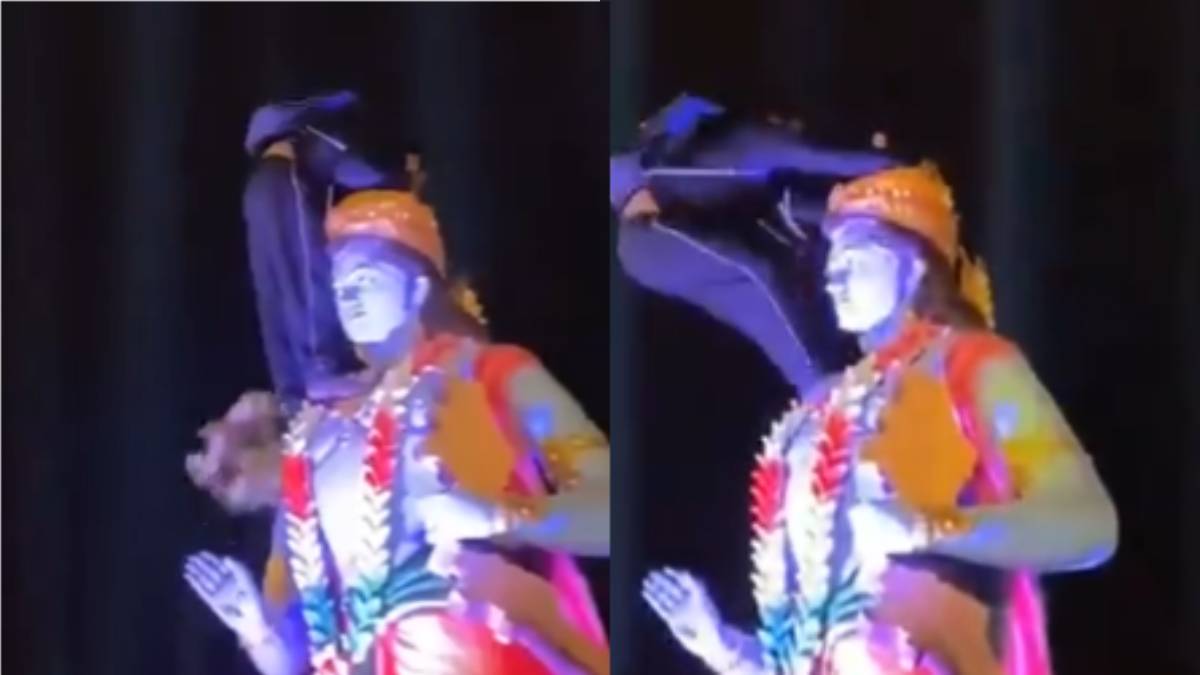
Reports say that a man called Mohammed Mukhtar Mondal climbed the Lord Ram statue at the Katha-sthal and tried to harm its head. The gesture astonished those among the crowd who were standing. Far from running to confront him, numerous participants instead decided to film the spectacle on their cellphones. Videos of the incident were uploaded quickly online, inspiring outrage and disappointment among viewers nationwide. At last the man was eventually restrained and returned to the authorities. Police said he was drunk when he committed the act. Although the statue was in no way significantly damaged, the attempt was seen as a serious insult to religious sentiments by any concerned members of society.
Just see how Hindus have become hijadas:
— Radharamn Das राधारमण दास (@RadharamnDas) February 12, 2026
In Ayodhya, where a Ram Katha was being held by Rambhadracharya ji, & where more than 10,000 Hindus had gathered, Mohammed Mukhtar Mondal climbed the statue of Shri Ram Ji at Katha-sthal, & tried to break the head. The Hindus could have… pic.twitter.com/LCyS1no2KC
The incident has divided people's opinions. Some feel the crowd should have done something immediately to help protect the statue and stop the vandalism. Others say restraint was needed to avoid a violent confrontation, particularly in a delicate religious space. And to make many devotees film spectators instead of interveners has been criticized through the years as a signal of passive acceptance, when contemporary society is often triggered by a horror attack and then turns to recording it.
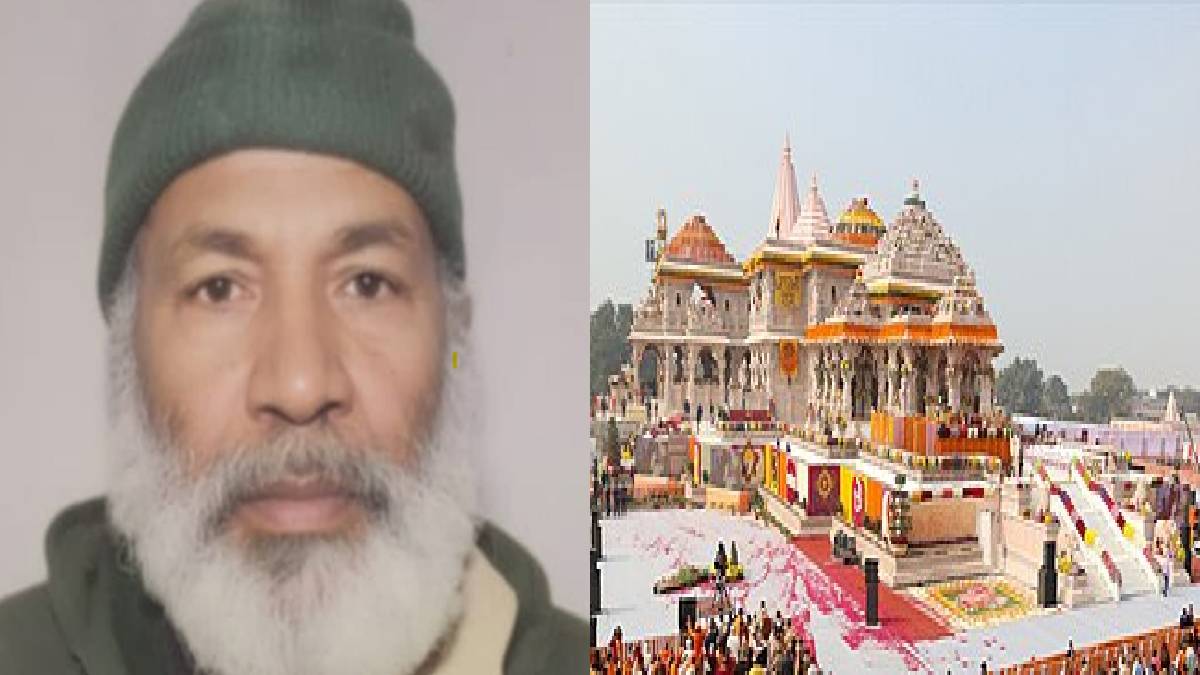
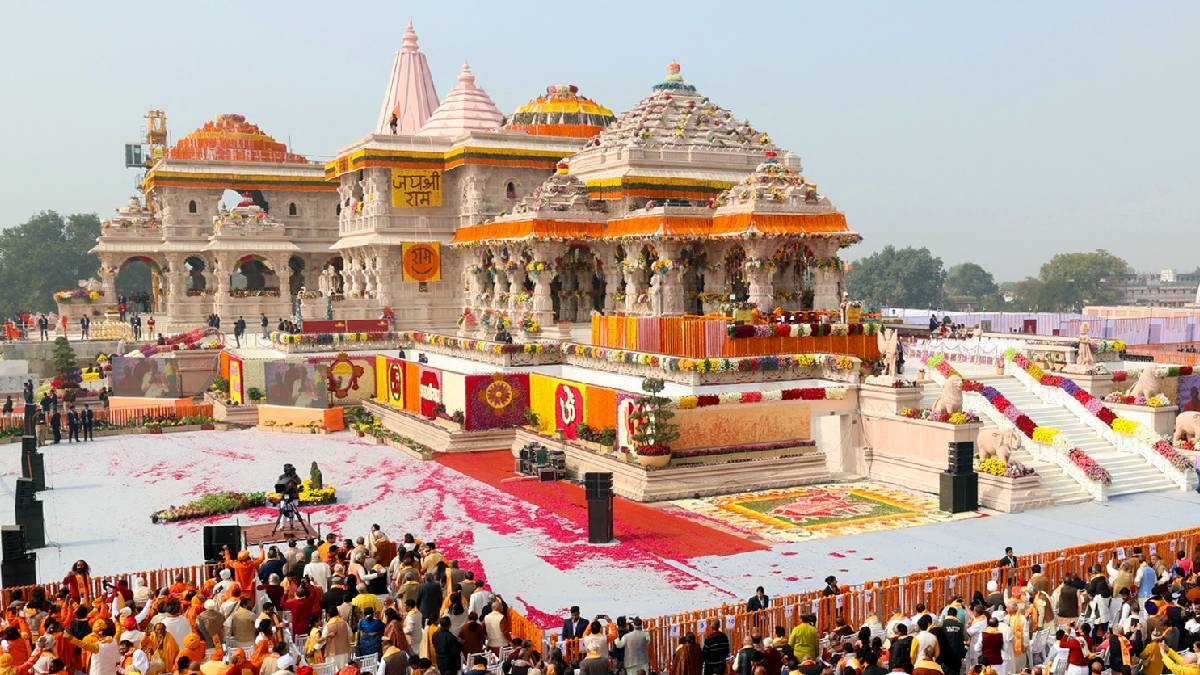
This episode shows a need for tougher security measures at large religious gatherings. Since the Ram Mandir was inaugurated, Ayodhya has transformed into a holy land of religion and tourism. The protection of idols and statues not only serves a religious icon as well as other symbols, however safeguards, it is about preserving the peace and order in very emotional areas.
The Ayodhya statue incident is more than a one-off, and does not just add to the vandalism. It has ignited a long discussion over the response of communities to provocation and whether we do all of this to keep the peace, while highlighting the importance of sacred spaces. And even by the statue sticking, the event is a warning that faith and security and common sense will need to be woven into the very fabric of society.