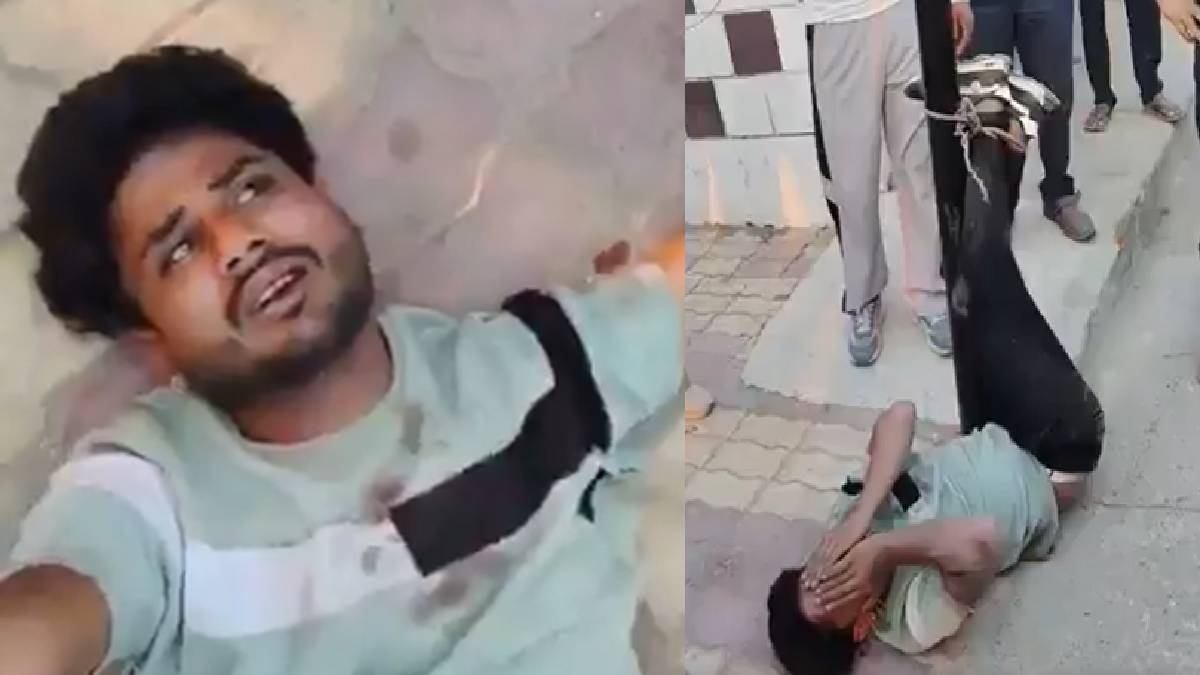
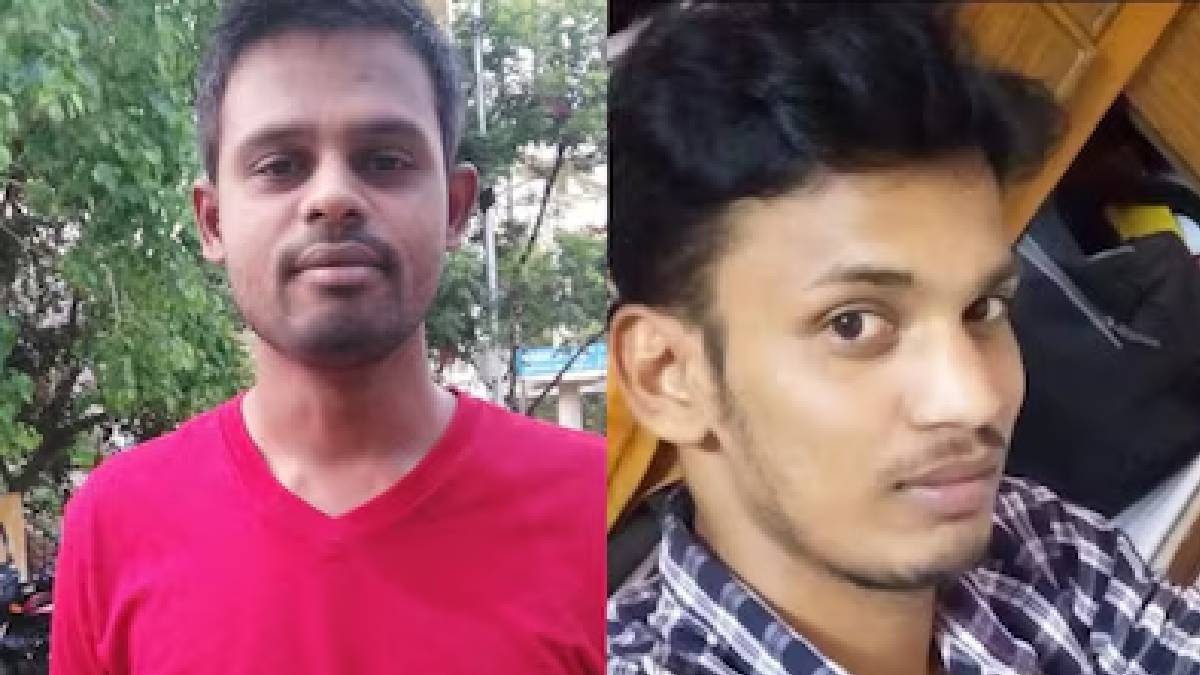
Mohammad Kaif, the young player of PUBG, died in this incident in Meerut, Uttar Pradesh. The shocking event has prompted some to consider health risks especially in those with medical conditions, and the importance of monitoring lifestyle habits.

At the time, Mohammad Kaif was apparently using PUBG on his mobile phone with headphones on. While he was completely engrossed in the game, his blood pressure rose to an extremely high level reportedly crossing 300. The surge in his blood pressure caused a brain hemorrhage, which proved fatal.
Kaif was rushed to a hospital in Meerut after the incident. Doctors gave treatment and subsequently referred him to a hospital in Delhi for more advanced care. No matter what medical management he received, however, he was unable to find any cure, and he sadly passed away.
The case has triggered a conversation about how long hours of gaming affect one's health. PUBG and other mobile games are loved by youngsters, but the danger is that kids who play too much on such a game if faced with stress or a pre-existing health problem are at risk. People with high blood pressure or other medical problems, experts often advise, should avoid stressful activities and undergo regular checkups.
The news about Kaif’s death shocked the local community. Friends and relatives are crushed by the sudden loss of a young life. Residents voiced concerns with the rising addiction to mobile games and the public awareness required of health risks.

Moved by a tragic lesson, which is to balance entertainment with health -- people themselves need to take care of their physical bodies and avoid those tasks when they are unable to perform them due to illness. For those with high blood pressure, regular exercise, a healthy diet and proper medical surveillance are all important. Parents, and families, must also model moderation in gaming and support healthier behaviors for children.
Mohammad Kaif died in Meerut and that’s a poignant reminder of how very fragile health can be. While gaming is a source of fun, it should never come at the cost of well-being. Awareness, moderation and medical oversight are the keys to forestalling the tragedies of life’s most critical moments.