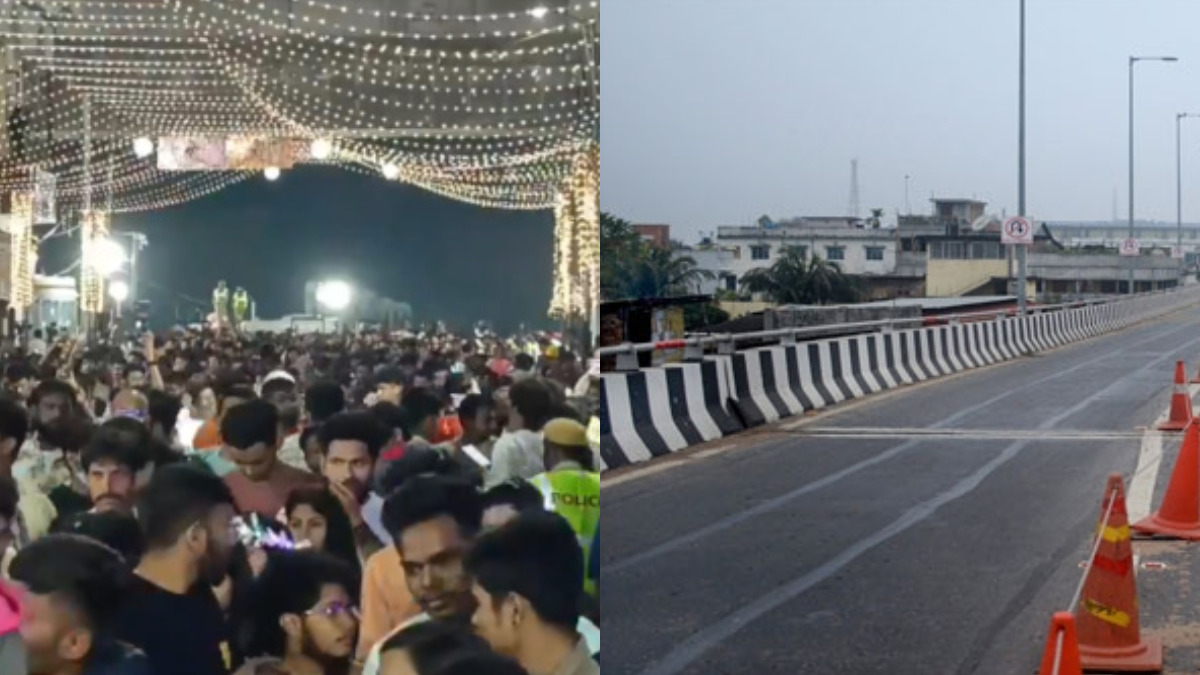
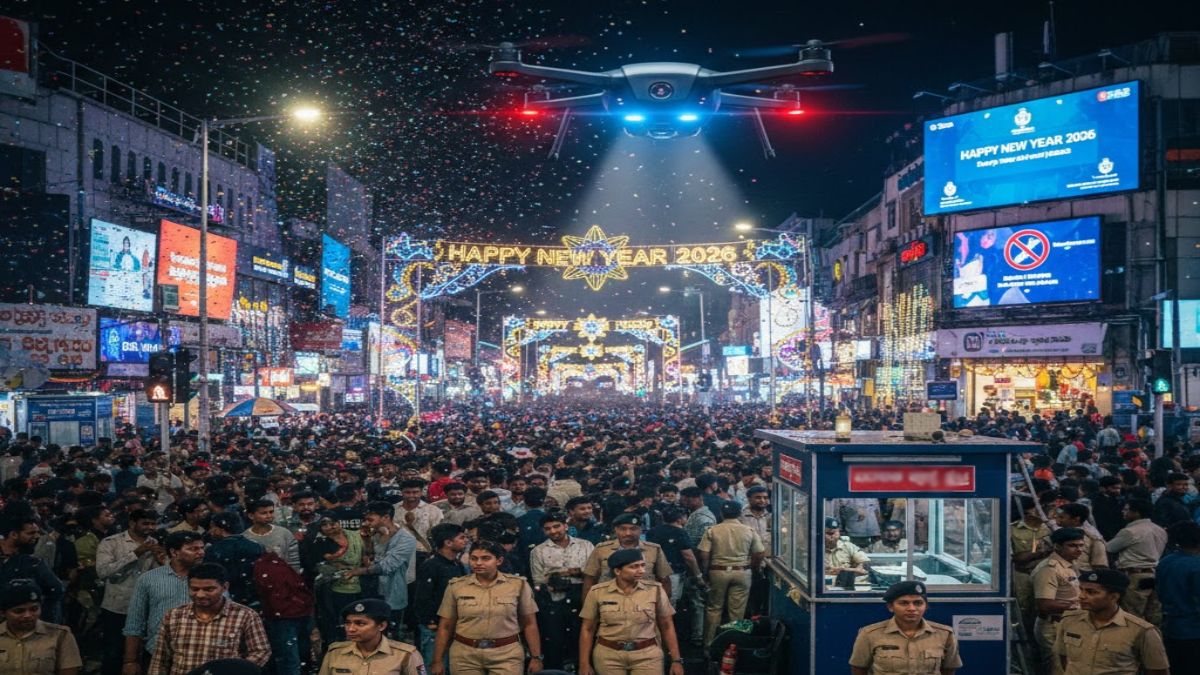
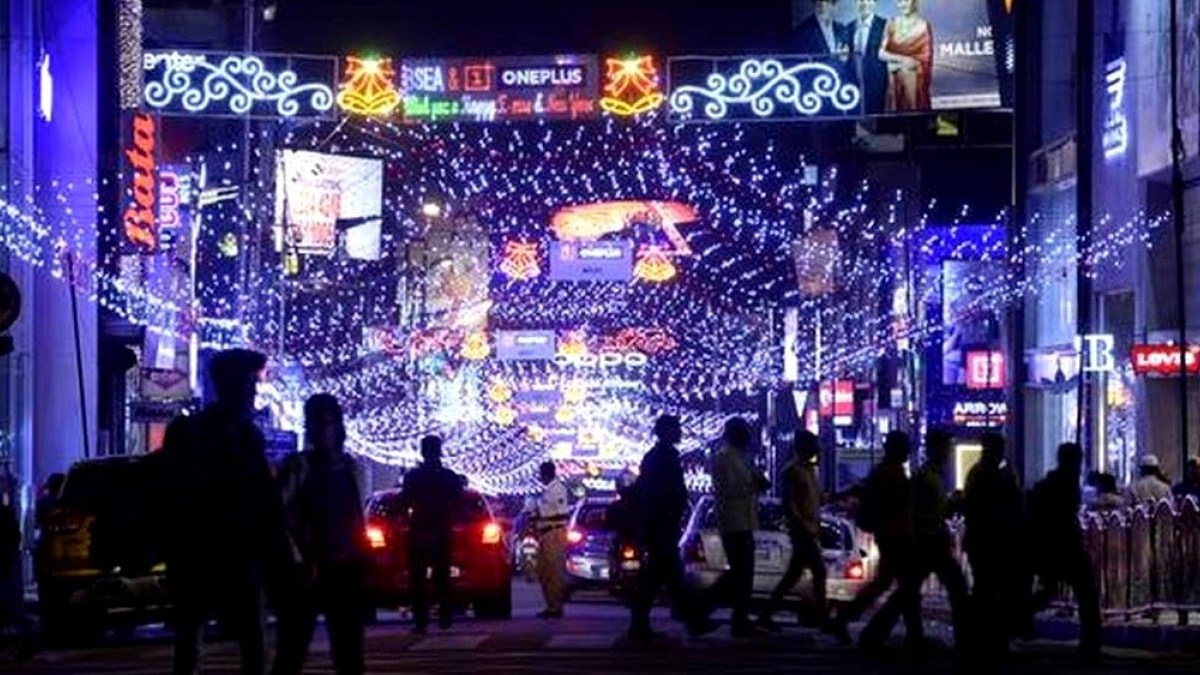
The image of Bengaluru's MG Road and Brigade Road pulsating with a massive crowd of revellers during New Year's Eve is an iconic, yet often precarious, annual event. The "uncertainty" surrounding the celebrations is not about a complete cancellation but rather the imposition of stringent restrictions that fundamentally alter the free-flowing nature of the public celebration. This shift is primarily driven by an overarching focus on public safety and law and order, lessons learned from past incidents, and, more recently, public health advisories. Authorities, including the City Police and the Bruhat Bengaluru Mahanagara Palike (BBMP), continually grapple with balancing the public's desire to celebrate with the necessity of maintaining a secure environment for all.
1. The Imperative of Crowd Control and Public Safety
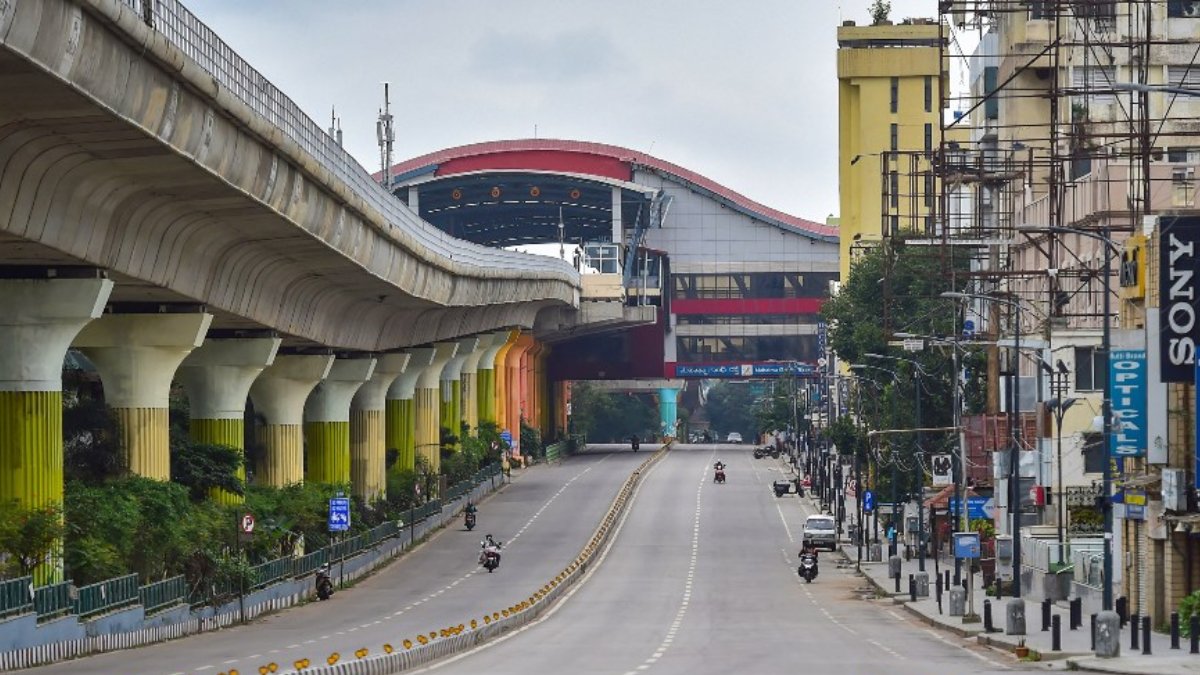
The most significant factor contributing to the uncertainty is the sheer scale of the gathering. Hundreds of thousands of people converge on the Central Business District (CBD) stretch, creating conditions prone to stampedes and public disorder. Following a few notorious past incidents involving public harassment and security breaches, the police department has adopted a near zero-tolerance policy towards unmonitored mass gatherings. The core of the solution lies in controlling movement: strict vehicular restrictions are enforced, prohibiting entry of all vehicles (except police and emergency) on key roads like MG Road and Brigade Road from early evening until the early hours of January 1st.
2. Implementation of Stringent Law and Order Measures
To mitigate risks, the police deploy an overwhelming force, often exceeding ten thousand personnel city-wide, with a significant concentration in the CBD. This deployment is complemented by high-tech surveillance, including hundreds of CCTV cameras—both permanent and temporary—and watchtowers to monitor the massive crowd from vantage points. Furthermore, specific behavioral restrictions are often implemented, such as a ban on whistling and the use of full-face masks, which are deemed disruptive or used to conceal identities of those looking to cause trouble. The implementation of a one-way pedestrian system on Brigade Road, where revellers are forced to move in a single direction to prevent crushing and chaos, severely limits the spontaneity of the celebrations.
3. Vehicular and Time Restrictions Dampen the Festivity
The celebration is also heavily curtailed by strict time and traffic mandates. Flyovers across the city are routinely closed from late evening to early morning to prevent accidents and drunk driving, with zero tolerance enforced for DUI violations. Celebrations, particularly in pubs and public venues, are usually permitted only until a government-mandated deadline, typically 1:00 AM. These traffic restrictions and early closure times, while essential for safety, restrict access, disrupt travel plans, and cap the duration of the festivities, prompting many to question the viability of venturing into the CBD for the New Year's countdown.
4. Past Incidents and Institutional Precedent
The heavy hand of the law is largely a reaction to lessons from history. The highly publicised incidents of mass molestation and harassment that occurred on New Year's Eve in 2017, despite a visible police presence, scarred the city's reputation and led to institutional changes in security protocols. Each year, the authorities' primary objective is to ensure that a similar tragedy is not repeated. This institutional memory and the constant pressure to maintain public safety create an environment where restrictions are the norm, leading to the perception that the grand, traditional celebration is constantly 'doubtful' or highly regulated.
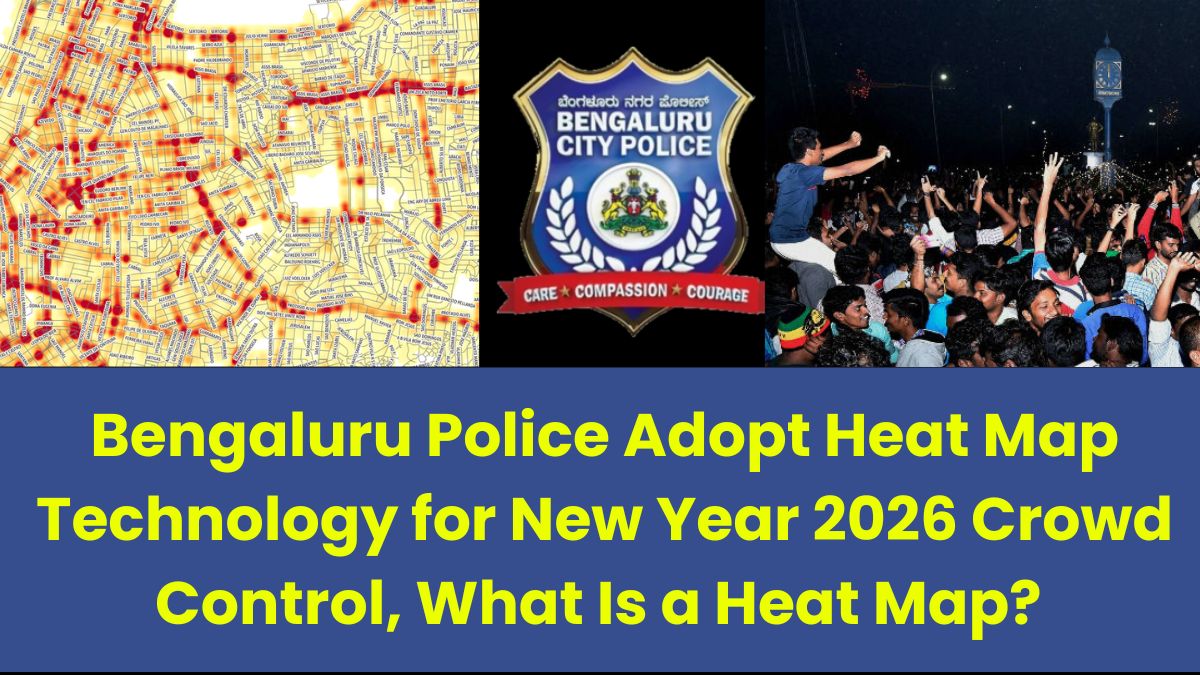
5. Lingering Concerns of Public Health and Safety Islands
In recent years, the threat of communicable diseases, like surges in COVID-19 variants, has also played a role. At times, the BBMP has issued advisories or awaited instructions from the Technical Advisory Committee (TAC) to determine if mass public gatherings should be prohibited altogether, adding a layer of public health uncertainty to the already existing security concerns. In a positive move, the police now set up 'Safety Islands' manned by women police officers at strategic locations to specifically address and ensure the safety of female revellers, reinforcing that the public's safety is the priority, even as it adds to the official, controlled environment of the street party. The cumulative effect of security deployment, traffic bans, behavioral restrictions, and public health advisories makes the once-unrestrained celebration on MG Road an event that is meticulously planned, heavily policed, and hence, perpetually 'uncertain' in its traditional, spontaneous form.