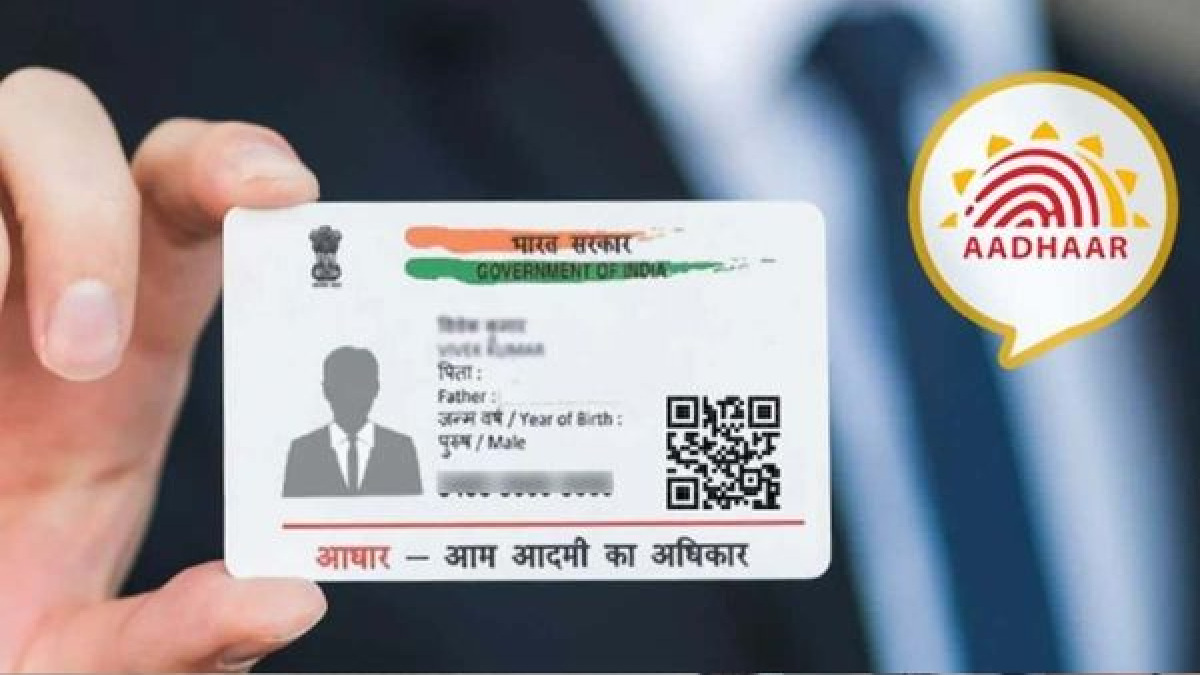
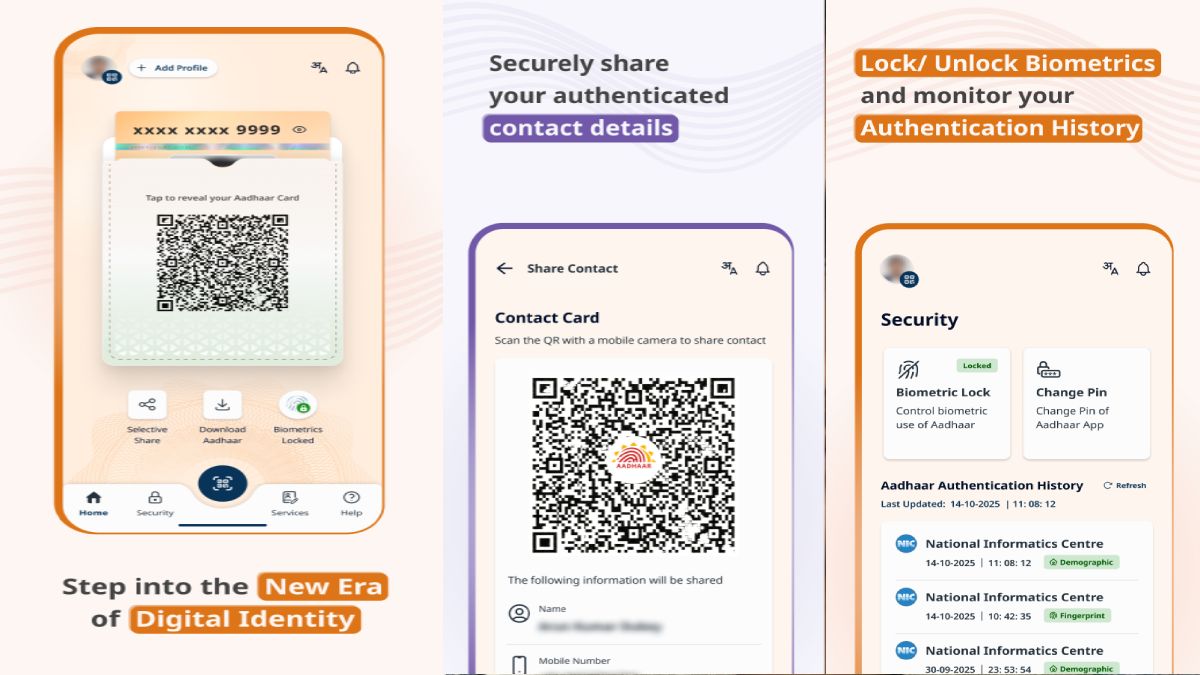
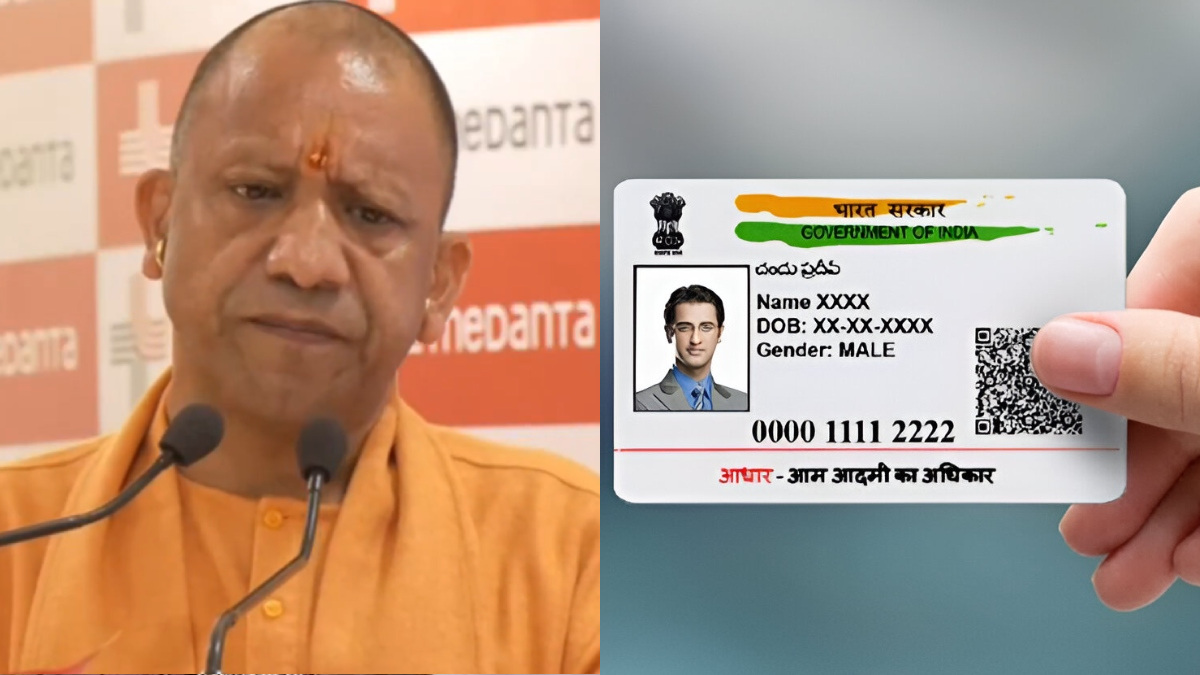
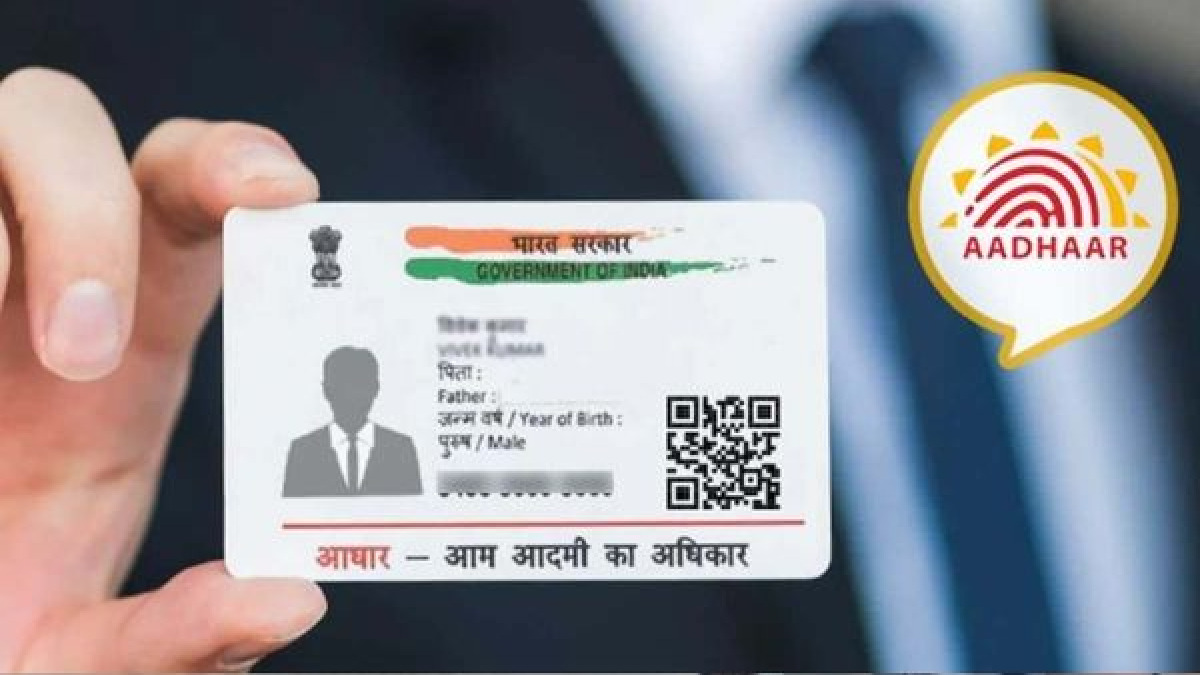
In one major push to curb identity theft and data misuse, the Unique Identification Authority of India (UIDAI) is launching a massive redesign of the physical Aadhaar card. Going forward, printed personal information, including Aadhaar number, name, and address, will disappear from the card’s face. Instead all that is going to remain on the new document: the photo of the custodian in question, and a secure QR code.
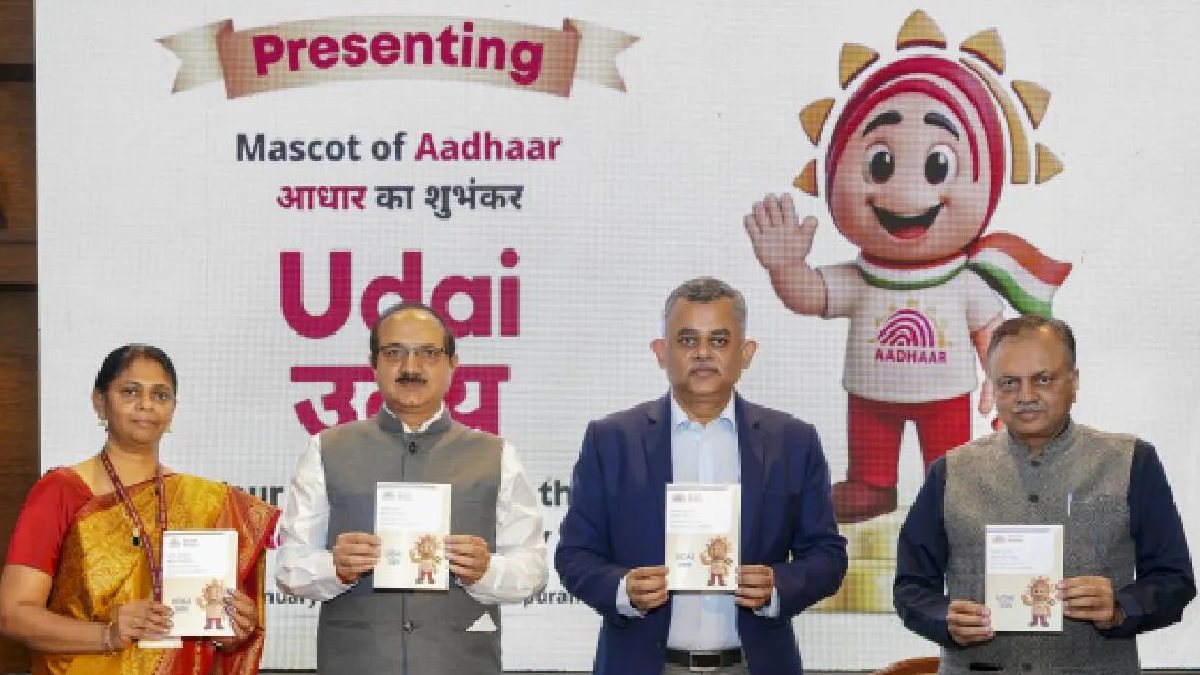
The “Minimalist Aadhaar” approach is designed to move this card from a physical identity document to a digitally verifiable credential aligned with the Digital Personal Data Protection (DPDP) Act.
Why the Change? Ending the “Photocopy Culture”
The main reason for this shift though it’s also frequently illegal consists of businesses’ collection of photocopies of Aadhaar cards by hotels, event organisers and landlords across the country.
- Mitigating Misuse : As a physical card includes all details, a user with a photocopy may abuse the 12-digit number for illicit linking or identity fraud.
- Fostering Secure Verification: The physical format of the card is the only verification device available; thus, by removing print information from it, organizations are required to verify the identity using the QR code. This is the reason only the pertinent details can be accessed via the authorized scanners and not the data with which they are entrusted in a physical form, of concern.
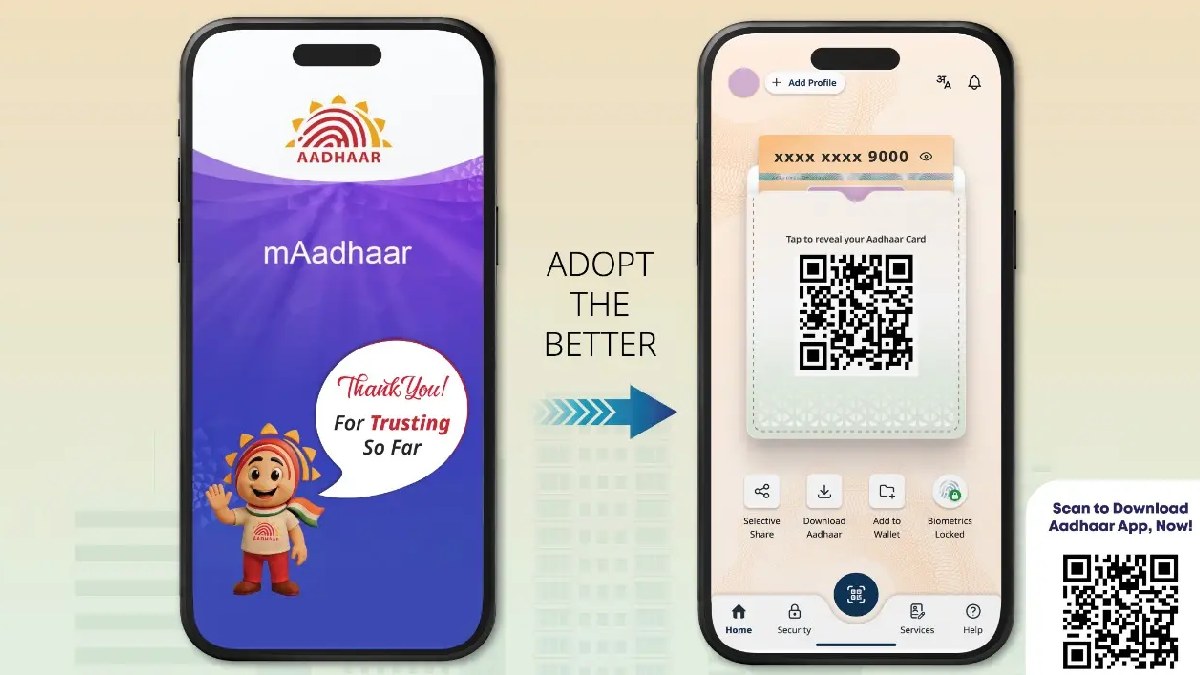
- CEO’s Stand: UIDAI CEO Bhuvnesh Kumar recently commented “If we keep printing details, people will keep accepting what is printed. Those who know how to misuse it will continue to do so.” Ahead of the card redesign, there was an official launch of the next-generation Aadhaar App in late January 2026 to replace the mAadhaar application.
- Selective Sharing: Now, users can create a “customized QR code” to only share certain fields (for instance, for cinema it is only about making sure they are old or for hotel they are just a name) instead of a complete profile.
- Face Authentication: The app makes use of a face detector combined with human readable information (Liveness Detection) for verification that the person is actually involved in a transaction and will prevent a spoof.
- Single Family/Single App: The new platform allows a user to control up to five profiles, on one device, to make updates to their profiles a lot easier for their family members.
- Digital Consent: Each time you’re given data, the app will show you who is asking for it and why - with an express digital consent from you.
What Should Citizens Do?
- Masked Aadhaar: Until you come across the new architecture, the UIDAI recommends downloading a "Masked Aadhaar" from the official page, masking the first eight digits of your Aadhaar number from this new design.
- Update Mobile Numbers: Make sure that your mobile or cell phone number is updated to receive the new app easily as you access any functionality.
- Do Not Share with the Public: Don’t share your Aadhaar number or QR code on social media or on public platforms.