A migrant shopkeeper has been criticized for blocking a public road in front of his shop, causing inconvenience to commuters and pedestrians. It has raised concerns over the growing problem of road obstruction and the misuse of public spaces by private establishments.
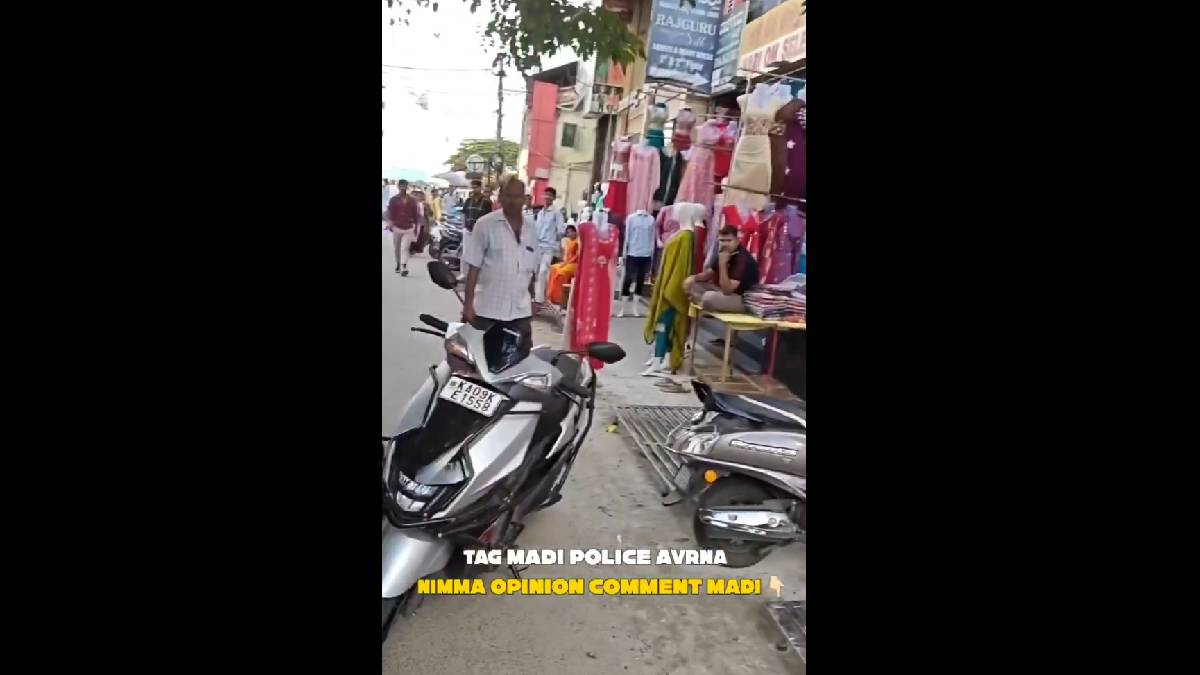
The road outside the shop was blocked, he said, so people had to walk around in a lane, and then they were slowed down. As we know, such a situation can quickly cause congestion if even a partial obstruction can affect the movement of cars and pedestrians on the street.
Public roads are to be accessible to everyone, and residents and commuters often depend on them for their daily travel. When commercial activities, parked vehicles, goods, temporary structures or other materials occupy road space, the resulting inconvenience can extend well beyond the immediate area.
ಈ ವಲಸಿಗ ಅಂಗಡಿಯವನ ದುರಂಕಾರ ನೋಡಿ ಅಂಗಡಿ ಮುಂದೆ ಇರೋ ರಸ್ತೆಯನ್ನ ಅಡ್ಡ ಹಾಕಿರೋದು ಅಲ್ಲದೇ ಸಾರ್ವಜನಿಕರಿಗೆ ಅಲ್ವಂತೆ ಇವನದಂತೆ 😡😡#karnataka #migrants #footpath #trending #viral pic.twitter.com/zKznNHHvSu
— ಕಾರ್ತಿಕ್ ವೆಂಕಟೇಶ್ l K@RTH!K Venkatesh🟨🟥 (@VKkarthik169) August 11, 2026
The incident has also revived the debate on roadside encroachment. In many urban and semi-urban areas, shopkeepers and businesses may use part of the roads or footpaths to display merchandise, unload goods, park vehicles or engage in commercial activities. While this may be convenient for businesses, it can be a frustrating lot of trouble for pedestrians and drivers.
For pedestrians, blocked roads and footpaths can cause them to walk off the road and step closer to the moving traffic and therefore risk pedestrian safety hazards as they are forced to walk closer to moving traffic. Drivers are faced with bottlenecks and delays due to roads and footpaths being blocked from moving traffic. Emergency vehicles may also face obstacles when access routes are blocked.
It is not a matter of one shop or one way of doing things, but of our own and the entire world’s public roads must be maintained as common venues for everyone. That is to say, authorities will be responsible for enforcing rules concerning encroachments, illegal parking, and obstruction of public pathways.
If the allegations are verified, the authorities should investigate the situation and take action in line with local laws. Any enforcement should be fair and consistent, irrespective of who owns or operates the place. At the same time, shopkeepers and other business owners should ensure that their business activities do not interfere with public movement.
Citizens can also report persistent road obstructions to the appropriate municipal or traffic authorities instead of taking matters into their own hands. Photographs or videos of the obstruction and the location and time of the incident can help local authorities assess complaints more effectively.
The incident has drawn attention because public roads are shared infrastructure. No person or company should be allowed to treat a public road as an extension of private commercial property. At the same time, allegations should be verified before any person is publicly accused of violating the law.
The general message is clear: commercial activity and public convenience must be integrated. Shop owners can run their businesses without obstruction in that roads, footpaths and access points remain clear. Meanwhile, authorities need to enforce regulations consistently so that commuters and pedestrians don’t have to suffer the consequences of unauthorized obstruction.
We continue to have high traffic congestion and roadside encroachments in many places, so incidents like this only reinforce the need to make public spaces more accessible. A road belongs to everyone and should be open to everyone.